
免费 
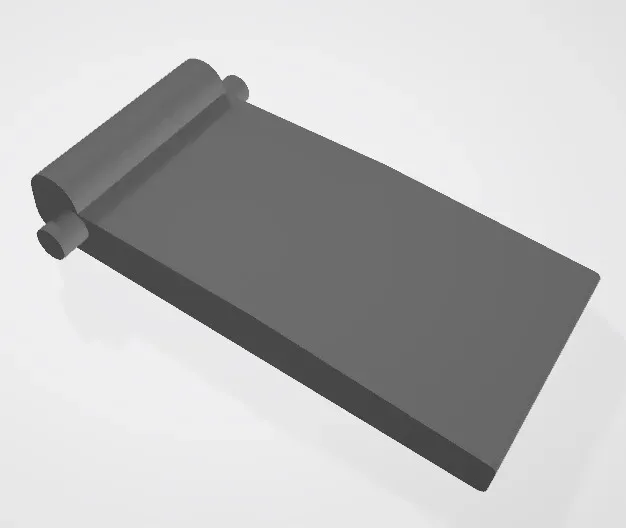
Tanfoglio GT27 Grips
Thingiverse
This collection gathers STL files that sit around two meanings of the same word: locks and latches on one side, and mecha-style figures on the other. It also covers casting patterns, lathe fittings and model railway parts that often appear alongside them. The mix is useful when you are looking for a small mechanical part for 3D printing or a figure to build on a 3D printer. Polyzon does not confirm whether models are free, their price, license, official status, affiliation, safety or fitness. Check the current terms at the source.
本合集的文字为英文,搜索本身支持任何语言。
 Polyzon合集 · 48个模型 来自4个平台
此合集由Polyzon根据已接入平台的搜索结果整理而成:去除重复项和没有预览图的模型,匹配度低的排在最后,其余按搜索结果顺序排列。模型归作者所有——请在各模型页面查看使用条款。
筛选规则:Polyzon编辑部 · 文字更新于2026年10月14日


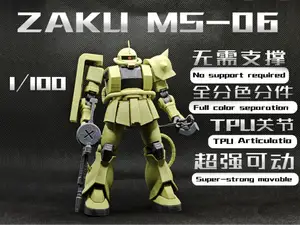


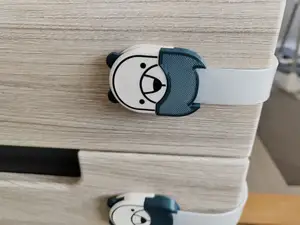


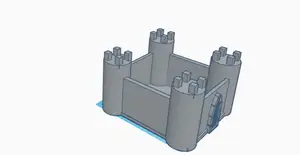
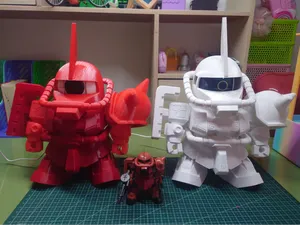

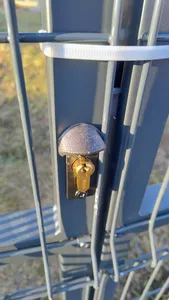
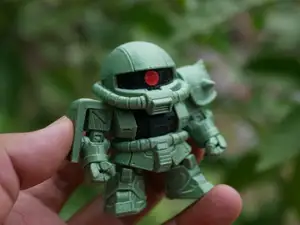





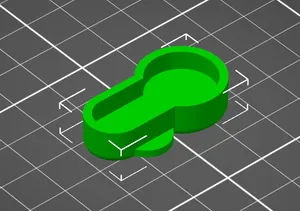
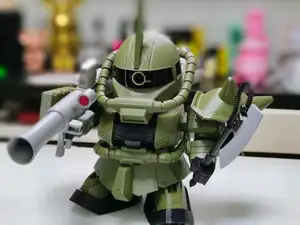

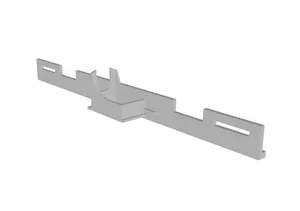
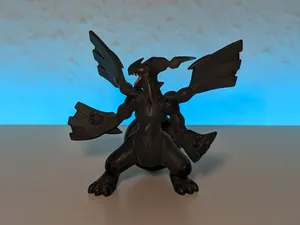

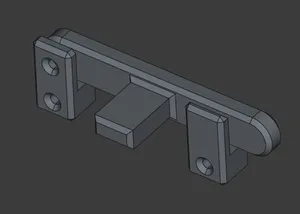


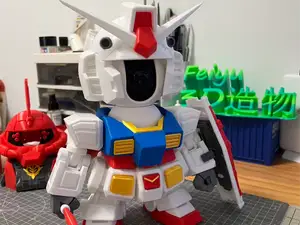

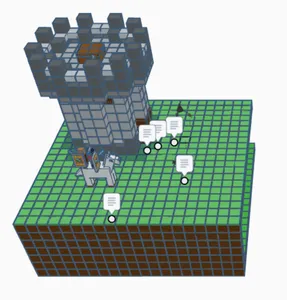
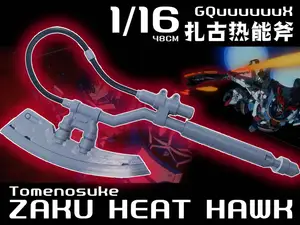

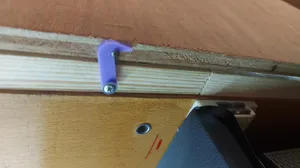
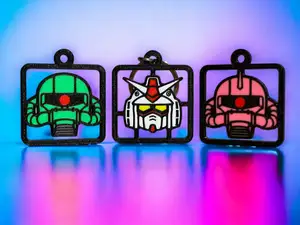


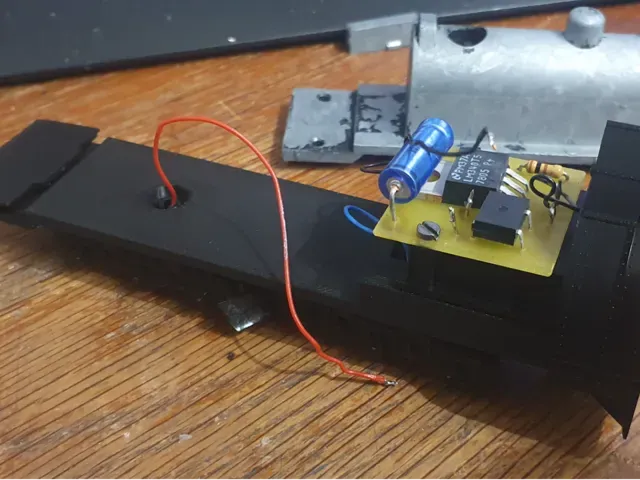
Locks and latches form the largest group: briefcase and switchboard locks, striking plates for window fittings, and covers for gate or wicket locks. Casting-related files are different in purpose, since belt buckle blanks and sand mold systems are meant to produce a metal part rather than a finished plastic one. A third group covers lathe accessories and machine fittings, where tolerances and mounting points matter more than surface finish. Mecha figures and keychains sit apart from all of these, usually printed as articulated or multi-part assemblies.
Before printing a lock or fitting, check the dimensions and scale on the author's model page and compare them with the part you are replacing, since a few tenths of a millimeter can decide whether it fits. For casting patterns, look at how the author describes shrinkage, draft angles and the number of parts in the mold. For figures, the useful details are the number of parts, how the joints go together, and whether the author lists supports, material and settings. Photos of real prints are the quickest way to judge how a model behaves outside the render.
Search results for this topic are noisy because the same word covers several unrelated things. If you want hardware, try terms such as latch, striking plate, lock cover, hinge or handle, and add the object it belongs to, for example briefcase or gate. For casting, combine casting pattern, sand mold or belt buckle blank with the metal you plan to pour. For figures, look for mecha, articulated figure, keychain or miniature, and for railway work use chassis, interior fittings or a specific scale.
The reference also shows that many titles are written in Polish, Russian or Chinese, so a single English query may miss part of the collection. Trying a translated keyword, or the name of the object the part belongs to, usually widens the result set more than adding adjectives.


完整的主题目录:从家居日用到CNC,均可在已接入的来源平台中搜索。