
免费 
18650 Battery Case
Thingiverse
This collection gathers protective caps and covers that people model for 3D printing: fork stanchion guards, dust plugs for ports, battery caps and container lids. Most entries are small single parts, so they work well as short prints on a home 3D printer. The mix is wide, and the reference titles show how different the underlying objects can be. Polyzon does not confirm whether models are free, their price, license, official status, affiliation, safety or fitness. Check the current terms at the source.
本合集的文字为英文,搜索本身支持任何语言。
 Polyzon合集 · 48个模型 来自3个平台
此合集由Polyzon根据已接入平台的搜索结果整理而成:去除重复项和没有预览图的模型,匹配度低的排在最后,其余按搜索结果顺序排列。模型归作者所有——请在各模型页面查看使用条款。
筛选规则:Polyzon编辑部 · 文字更新于2026年10月15日



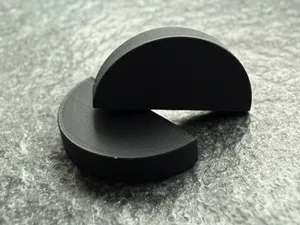


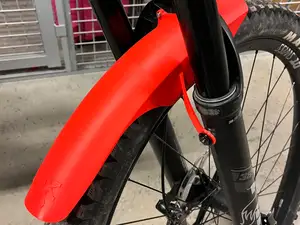
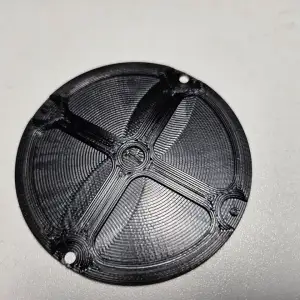

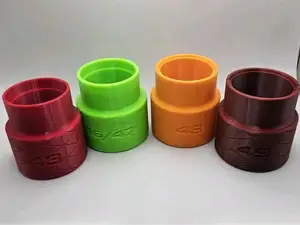
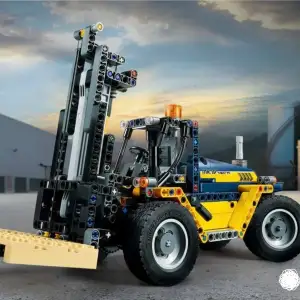

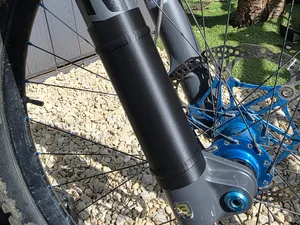
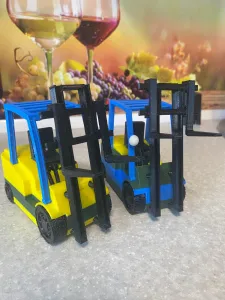

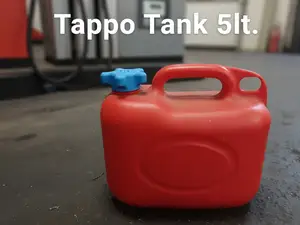
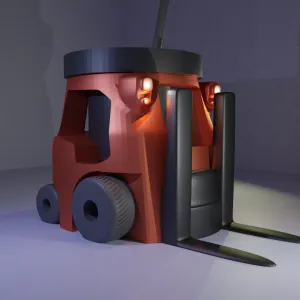

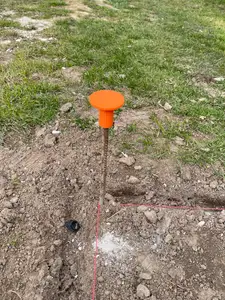
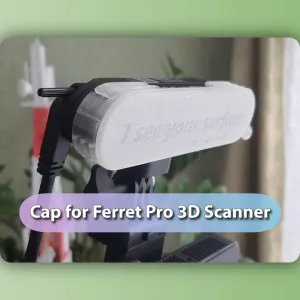

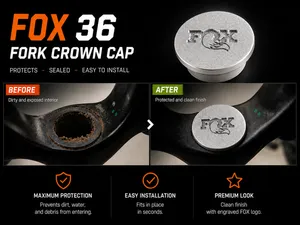
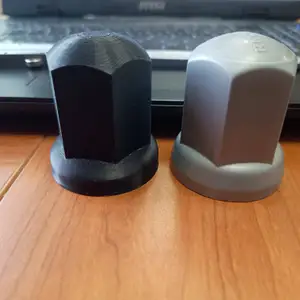

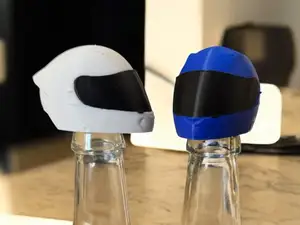
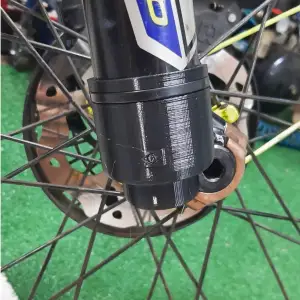

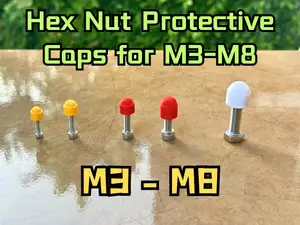
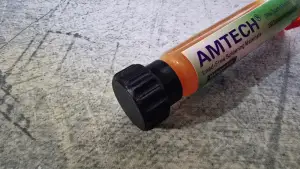

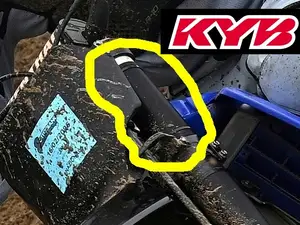
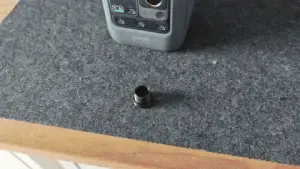

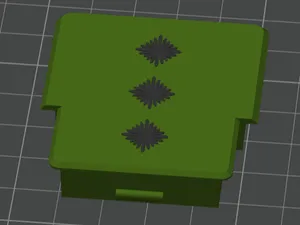
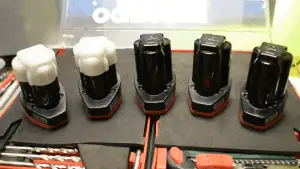

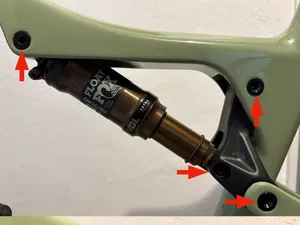
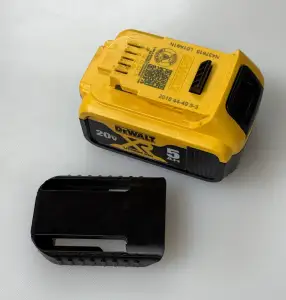

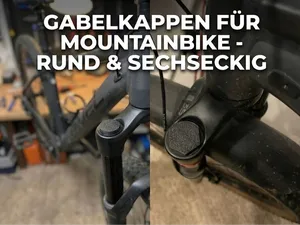
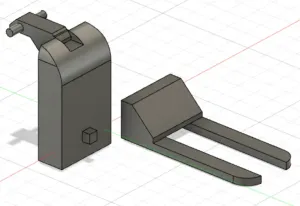

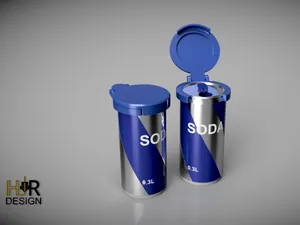
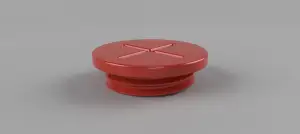
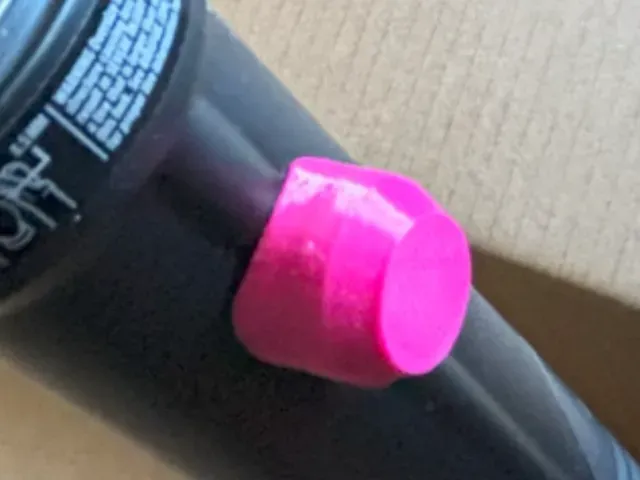
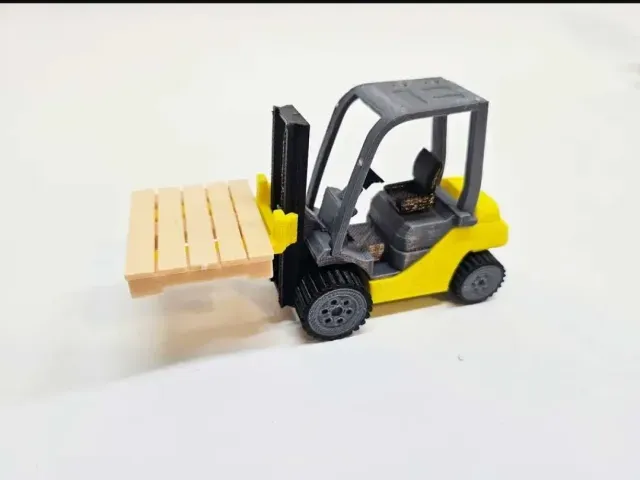
The caps here fall into a few groups. Fork-related parts include vent caps and travel guards for suspension forks, which are usually round and sit over a stanchion or an air valve. A second group covers machinery and vehicle details, such as steering caps for forklifts or covers for exposed fittings. A third group is generic: dust plugs for connectors, caps for battery compartments, and lids for cans or fuel containers. They differ mainly in how they attach — press-fit, threaded, or held by a screw — and in whether they are a single shell or a body plus a base.
When choosing a model, start with the dimensions the author lists: inner diameter, depth, wall thickness and the diameter of any opening. Compare those against the part you measured on the real object, not against a photo. Then read the print notes: whether supports are needed, which orientation avoids weak layers, and which material the author used. For caps that must flex over a rim or thread, a flexible filament behaves differently from a rigid one, and a rigid cap may need a slightly larger clearance. Photos of actual prints are more informative than renders, because they show sagging, stringing and fit.
If the results feel narrow, try other words for the same object: cover, plug, bung, blanking cap, end cap, dust cover, or the name of the part it protects. Searching by the object rather than the cap often helps — fork service tools, seal drivers, mud guards, battery holders and connector housings frequently appear alongside the caps made for them. You can also search by the measurement or thread you need, or by the machine the part belongs to, then filter the results by the shape you see in the preview images.
完整的主题目录:从家居日用到CNC,均可在已接入的来源平台中搜索。