免费 
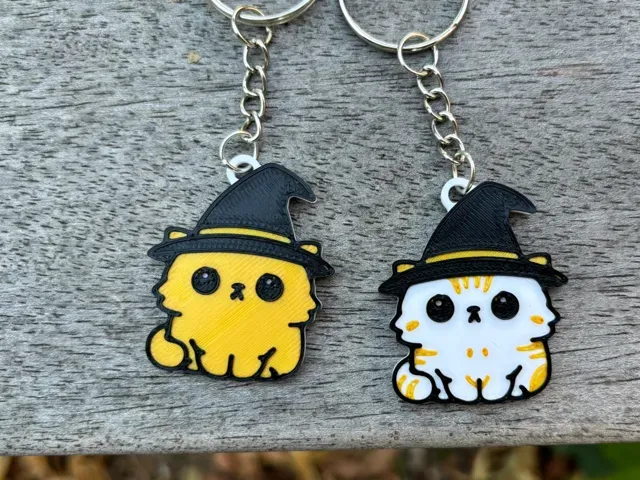
hermione and Crookshanks
Thingiverse
This collection gathers 3D printing files for cats tied to a well-known wizarding story, along with chibi fan art and character keychains. Most entries are small decorative pieces, so they fit a desktop 3D printer without a large build volume. It is a useful starting point if you want a shelf companion, a bag charm or a gift tied to a fandom. Polyzon does not confirm whether models are free, their price, license, official status, affiliation, safety or fitness. Check the current terms at the source.
本合集的文字为英文,搜索本身支持任何语言。
 Polyzon合集 · 33个模型 来自3个平台
此合集由Polyzon根据已接入平台的搜索结果整理而成:去除重复项和没有预览图的模型,匹配度低的排在最后,其余按搜索结果顺序排列。模型归作者所有——请在各模型页面查看使用条款。
筛选规则:Polyzon编辑部 · 文字更新于2026年10月14日


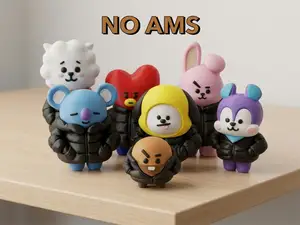

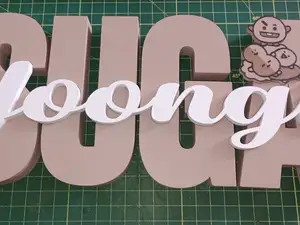

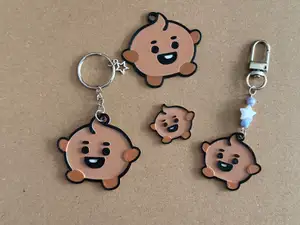

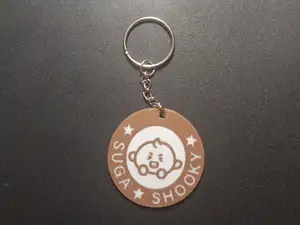

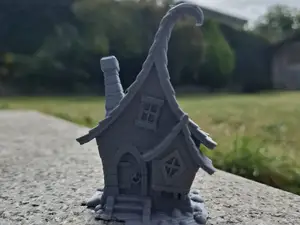


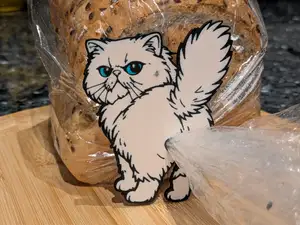

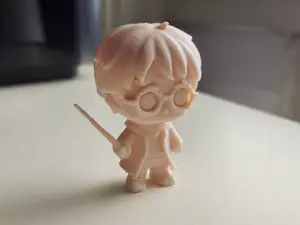

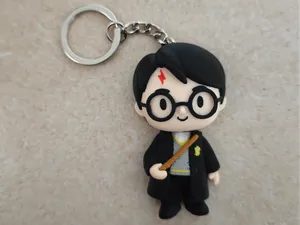

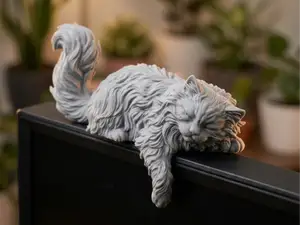
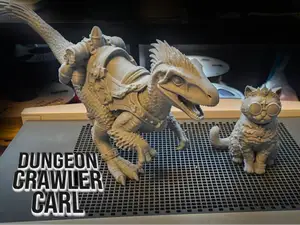
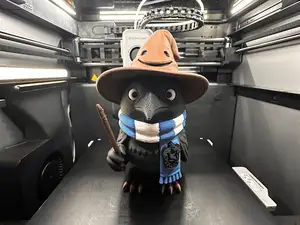
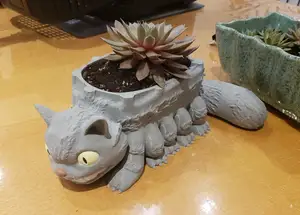
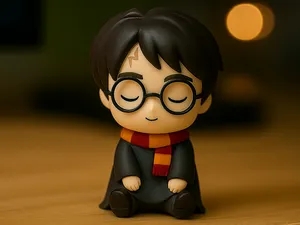
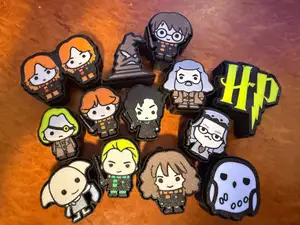
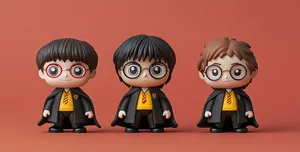
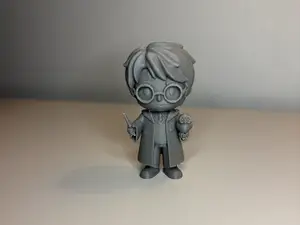
The models fall into a few groups. There are sitting and curled cat figures, some with a hat or a witch-cottage setting, and smaller chibi versions with simplified shapes. Keychains and pins form another group, often built around a character head or a mascot, and articulated cats printed in place sit alongside them. Shelf-edge pieces, such as a cat hanging over a board, are shaped differently again because they need a flat contact area.
Before printing, open the author's page and read what is listed there. Check the overall size and scale, since a keychain and a shelf figure differ by a large factor, and look at the number of separate parts and whether assembly or glue is involved. For articulated designs, confirm the clearance the author used and whether the joints are meant to be printed in place. The material and settings the author lists, plus photos of real prints, tell you more than the render does.
To widen the results, try synonyms and related terms: the cat's name, the character's name, or words like wizard cat, ginger cat, chibi, keychain, pin, articulated and print in place. Swapping a character name for a general description often surfaces models that use different wording in the title. Related topics such as bookshelf decor, mascot figures or fantasy animals can also lead to pieces that fit the same shelf.
Small figures and keychains are usually printed at a fine layer height so the face and fur detail survive, while larger shelf pieces tolerate coarser settings. Thin keychain loops and ears are the parts most likely to snap, so orient them so the layers run along the load rather than across it. If a model is scaled down, recheck wall thickness and joint gaps, because both shrink with the model.


完整的主题目录:从家居日用到CNC,均可在已接入的来源平台中搜索。