
Kostenlos 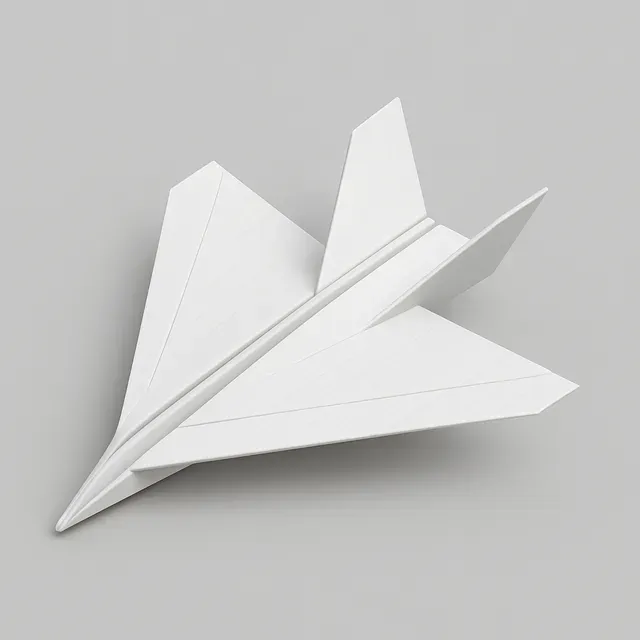
Lightweight 3D Printed Flying Paper Airplane-Cura Profile Description
Printables
This collection gathers 3D printing projects for aircraft that are meant to leave the table: hand-thrown gliders, motorised radio-controlled planes, flying wings and small kits. Most of them are built around thin walls and low weight, so the choice of material and the way the model balances matter as much as the shape. If you want an STL project that ends in a test flight rather than on a shelf, start here. Polyzon does not confirm whether models are free, their price, license, official status, affiliation, safety or fitness. Check the current terms at the source.
Der Text dieser Sammlung ist auf Englisch verfasst; die Suche selbst funktioniert in jeder Sprache.
 Eine Sammlung von Polyzon · 48 Modelle von 6 Plattformen
Polyzon stellt diese Sammlung aus den Suchergebnissen der angebundenen Plattformen zusammen. Dubletten und Modelle ohne Vorschaubild werden entfernt, schwache Treffer rutschen ans Ende, der Rest bleibt in der Reihenfolge der Suche. Die Modelle gehören ihren Urhebern – die Bedingungen findest du auf der Seite des jeweiligen Modells.
Auswahlregeln: Polyzon-Redaktion · Text aktualisiert: 12.10.2026


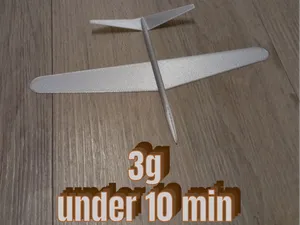


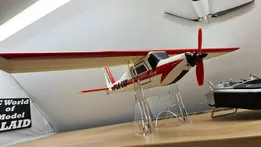
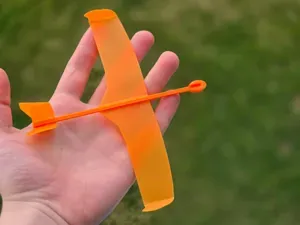

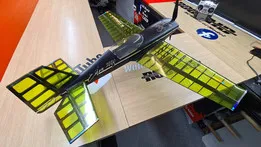
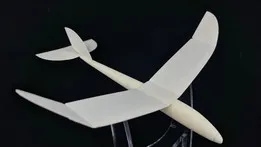


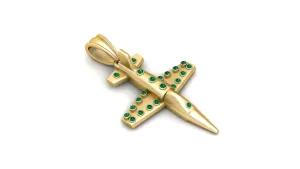


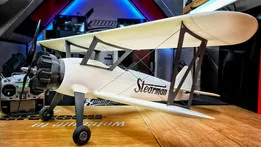


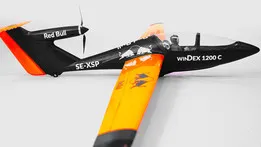
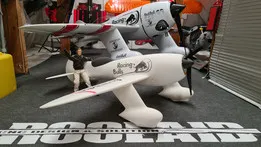


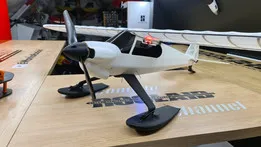
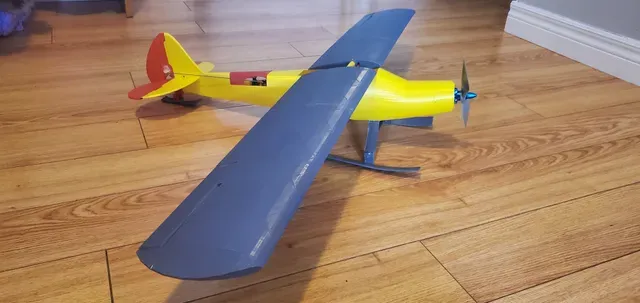
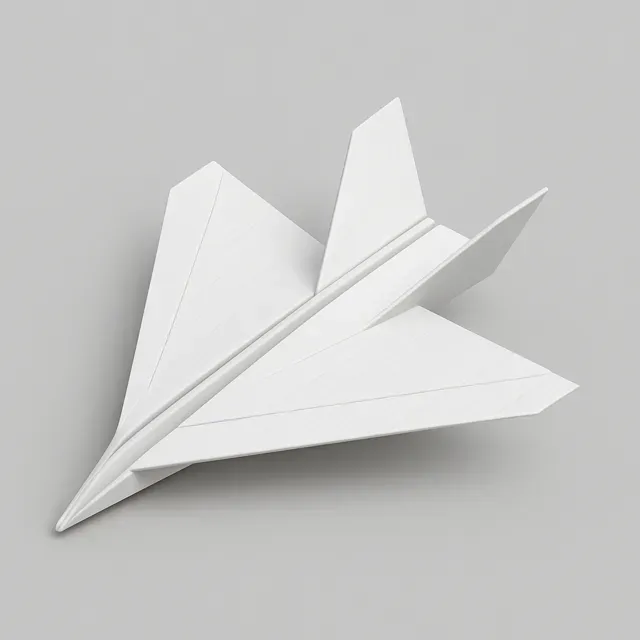
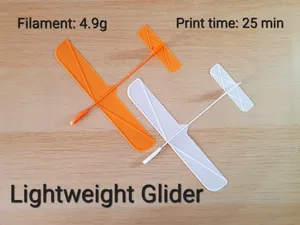
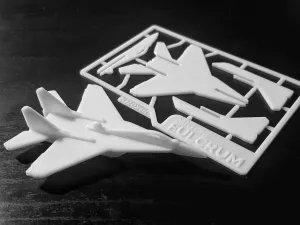
The models fall into a few groups. Gliders and flying wings rely on a hand throw and on the shape of the wing, so they are usually printed as a small number of large parts. Radio-controlled planes add a motor, a propeller and control surfaces, which means more components and more assembly. Kit-style designs break the airframe into pieces that lock together, while rubber-band powered models use a wound band and movable surfaces instead of electronics.
When you open an author's page, look first at the size and scale, then at how many parts the airframe has and how they join. Check whether the author lists the material and the print settings, since thin single-wall structures behave differently from solid ones, and whether supports are needed on the fuselage or the wing. Photos of real prints and notes about where the centre of gravity should sit tell you more than a render.
To widen the search, try the words people use for the same idea: glider, flying wing, chuck glider, park flyer, trainer, scale model, airframe. Related directions include propeller and motor mounts, landing gear, servo mounts and display stands for finished builds. Combining a subject with a construction detail, such as a wing type or an assembly method, usually narrows the results faster than a single broad term.




Der komplette Themenkatalog – von Wohnen & Haushalt bis CNC, mit Suche auf allen angebundenen Plattformen.