
免费 
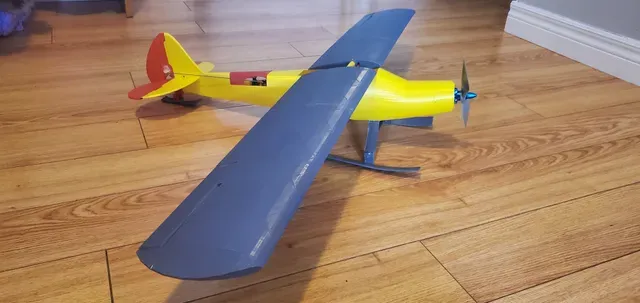
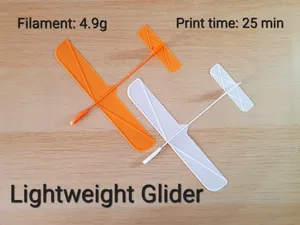
Lightweight 3D Printed Flying Paper Airplane-Cura Profile Description
Printables
This collection gathers 3D printing projects for aircraft that are meant to leave the table: hand-thrown gliders, motorised radio-controlled planes, flying wings and small kits. Most of them are built around thin walls and low weight, so the choice of material and the way the model balances matter as much as the shape. If you want an STL project that ends in a test flight rather than on a shelf, start here. Polyzon does not confirm whether models are free, their price, license, official status, affiliation, safety or fitness. Check the current terms at the source.
本合集的文字为英文,搜索本身支持任何语言。
 Polyzon合集 · 48个模型 来自6个平台
此合集由Polyzon根据已接入平台的搜索结果整理而成:去除重复项和没有预览图的模型,匹配度低的排在最后,其余按搜索结果顺序排列。模型归作者所有——请在各模型页面查看使用条款。
筛选规则:Polyzon编辑部 · 文字更新于2026年10月12日





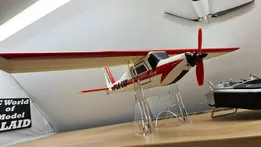


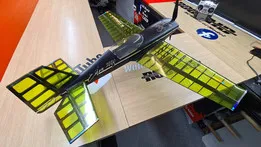
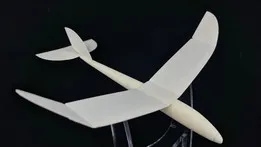


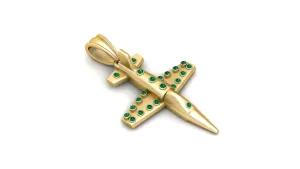


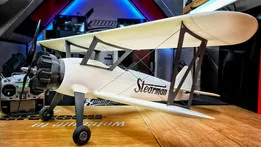


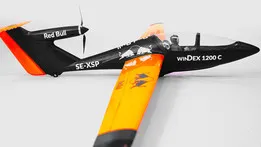
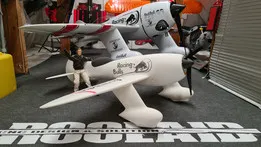


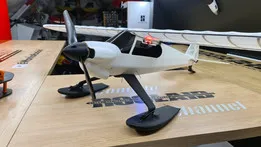
The models fall into a few groups. Gliders and flying wings rely on a hand throw and on the shape of the wing, so they are usually printed as a small number of large parts. Radio-controlled planes add a motor, a propeller and control surfaces, which means more components and more assembly. Kit-style designs break the airframe into pieces that lock together, while rubber-band powered models use a wound band and movable surfaces instead of electronics.
When you open an author's page, look first at the size and scale, then at how many parts the airframe has and how they join. Check whether the author lists the material and the print settings, since thin single-wall structures behave differently from solid ones, and whether supports are needed on the fuselage or the wing. Photos of real prints and notes about where the centre of gravity should sit tell you more than a render.
To widen the search, try the words people use for the same idea: glider, flying wing, chuck glider, park flyer, trainer, scale model, airframe. Related directions include propeller and motor mounts, landing gear, servo mounts and display stands for finished builds. Combining a subject with a construction detail, such as a wing type or an assembly method, usually narrows the results faster than a single broad term.




完整的主题目录:从家居日用到CNC,均可在已接入的来源平台中搜索。