Kostenlos 
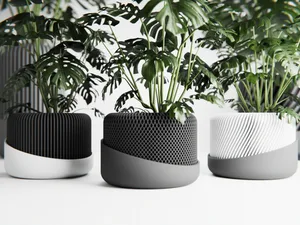
Self-Watering Flowerpot Large
Thingiverse
This collection gathers STL files for keeping potted plants watered: self-watering pots, spikes, drip lines and saucers with level indicators. It helps you find a shape that fits your pot and your routine, then check the details before 3D printing. Polyzon does not confirm whether models are free, their price, license, official status, affiliation, safety or fitness. Check the current terms at the source.
Der Text dieser Sammlung ist auf Englisch verfasst; die Suche selbst funktioniert in jeder Sprache.
 Eine Sammlung von Polyzon · 47 Modelle von 4 Plattformen
Polyzon stellt diese Sammlung aus den Suchergebnissen der angebundenen Plattformen zusammen. Dubletten und Modelle ohne Vorschaubild werden entfernt, schwache Treffer rutschen ans Ende, der Rest bleibt in der Reihenfolge der Suche. Die Modelle gehören ihren Urhebern – die Bedingungen findest du auf der Seite des jeweiligen Modells.
Auswahlregeln: Polyzon-Redaktion · Text aktualisiert: 15.10.2026


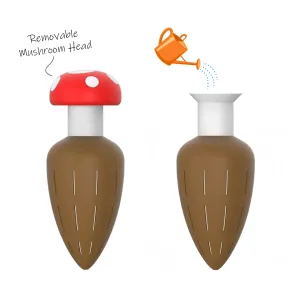

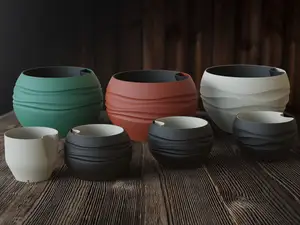


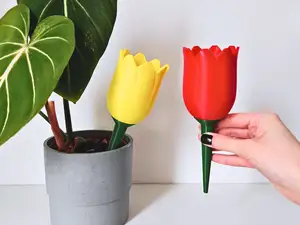
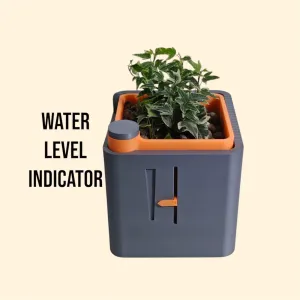

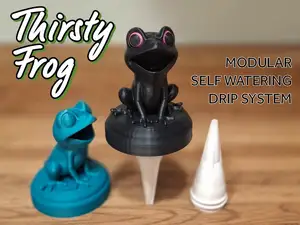
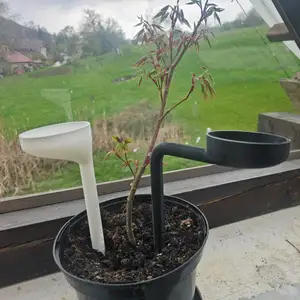

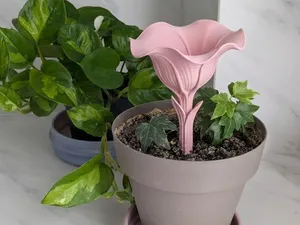
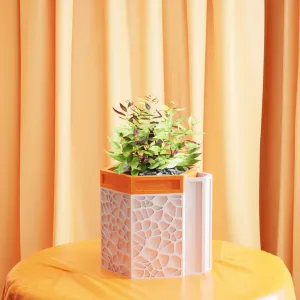


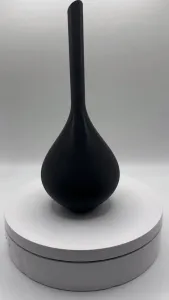

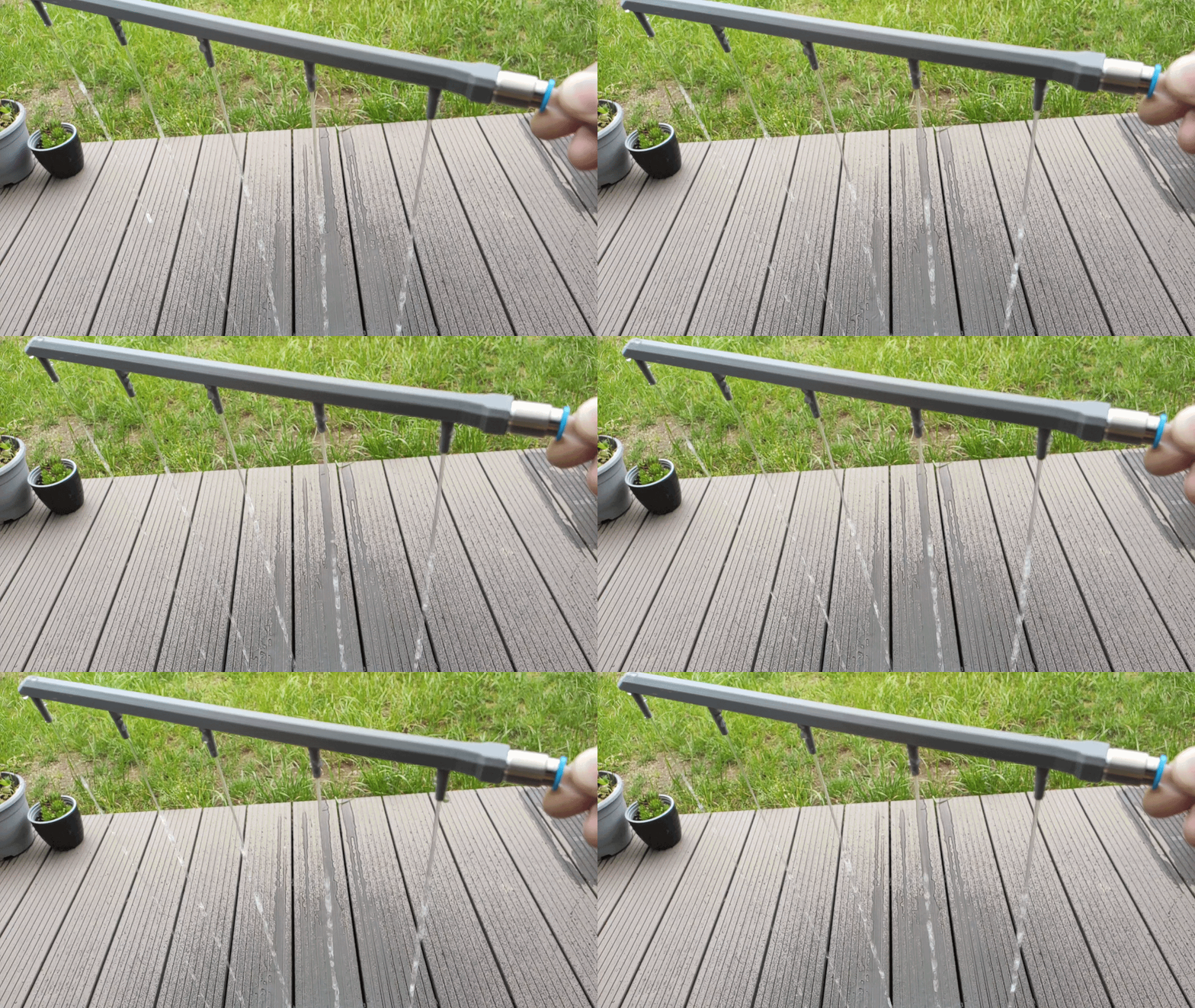
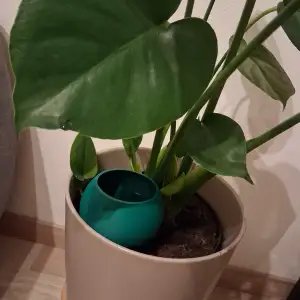

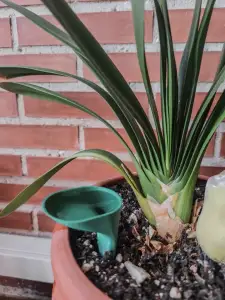

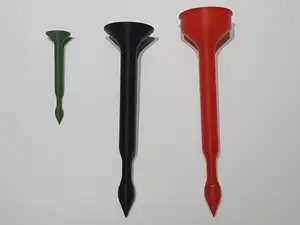

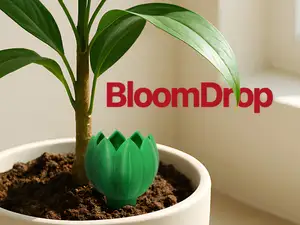
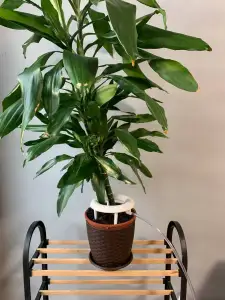

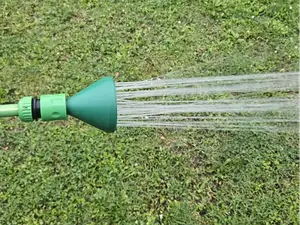
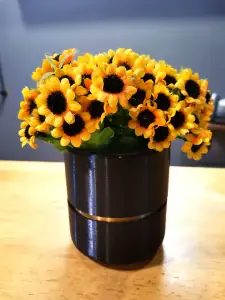

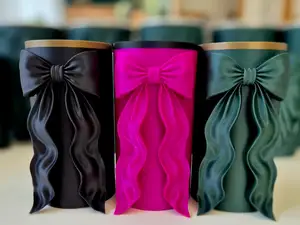
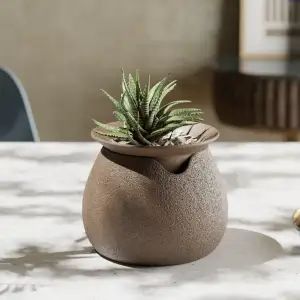

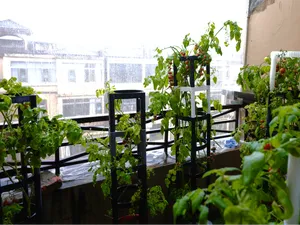
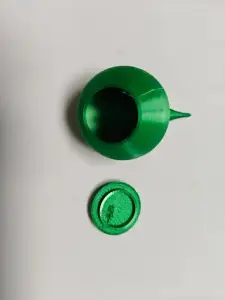



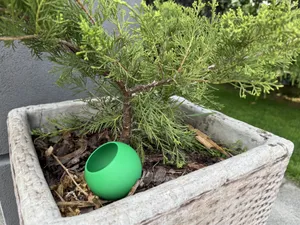
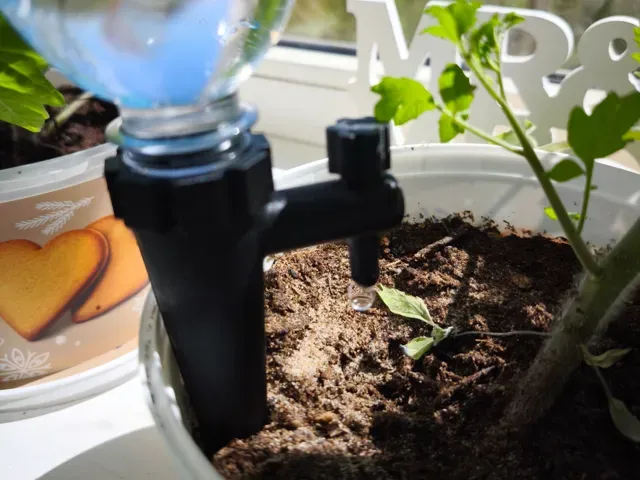
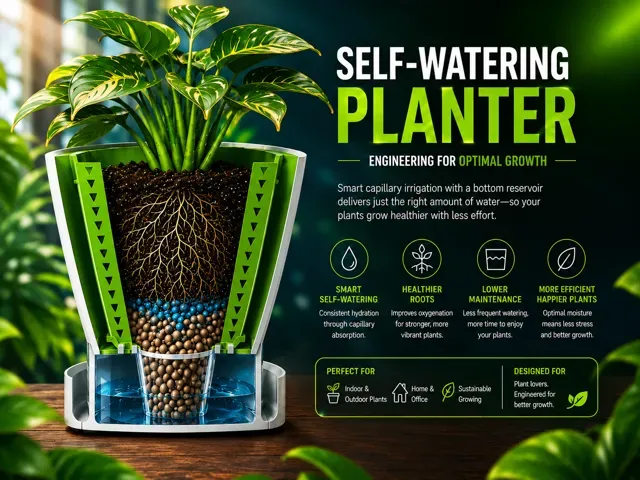
Self-watering pots usually combine an inner pot with a reservoir and differ by how water travels upward: a wick, a capillary gap or a column of soil. Spikes and droppers sit in the soil and release water slowly from a bottle or container, while drip systems use tubing and a distributor to feed several pots at once. Saucers and level indicators are the smallest parts and often come as an addition to one of the above.
When choosing, look at the reservoir volume, the outer diameter and height of the pot, and how many separate parts the model has. On the author's page, check whether supports are needed, which material and settings are listed for the walls that hold water, and photos of real prints. Wall thickness, layer height and print orientation affect how tight the reservoir turns out, so a test print of a small part is worth the time.
Search results widen if you try synonyms: sub-irrigation, capillary watering, wick planter, olla, slow-drip spike, watering bulb, or the names of parts such as reservoir, saucer, float or valve. Adding a plant type, a pot diameter or a place like balcony, windowsill or greenhouse narrows the list. Titles also appear in other languages, so the same design may be found under translated terms.




Der komplette Themenkatalog – von Wohnen & Haushalt bis CNC, mit Suche auf allen angebundenen Plattformen.