無料 
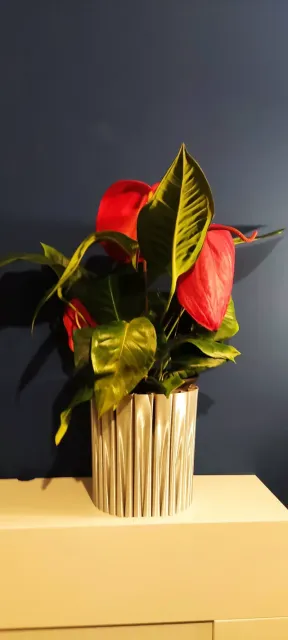
Self-Watering Flowerpot Large
Thingiverse
This collection gathers STL files for keeping potted plants watered: self-watering pots, spikes, drip lines and saucers with level indicators. It helps you find a shape that fits your pot and your routine, then check the details before 3D printing. Polyzon does not confirm whether models are free, their price, license, official status, affiliation, safety or fitness. Check the current terms at the source.
このコレクションの本文は英語で書かれています。検索自体はどの言語でも使えます。
 Polyzonのコレクション · モデル47件 4サイトから収集
このコレクションは、Polyzonが対応サイトの検索結果をもとに作成しています。重複やプレビューのないモデルは除外し、関連性の低いものは後ろに回し、それ以外は検索結果の順に並べています。モデルの権利は各作者にあります。利用条件は各モデルのページでご確認ください。
選定基準:Polyzon編集部 · 本文の更新日:2026年10月15日

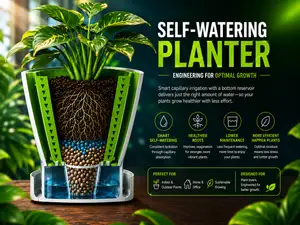
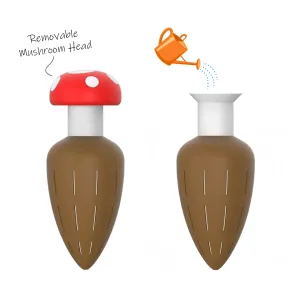

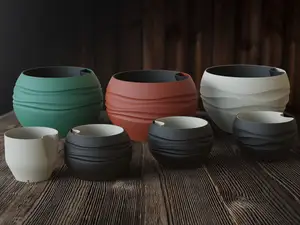

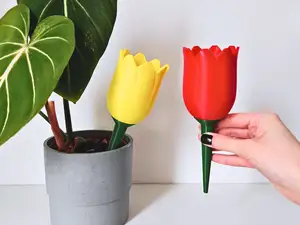
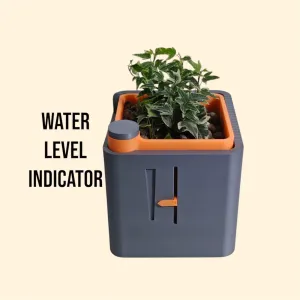

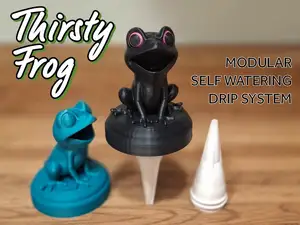
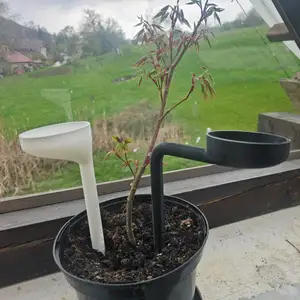

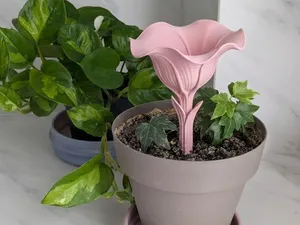
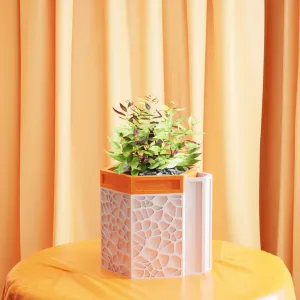


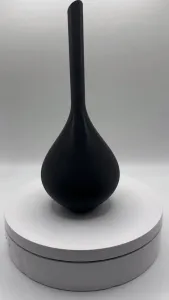

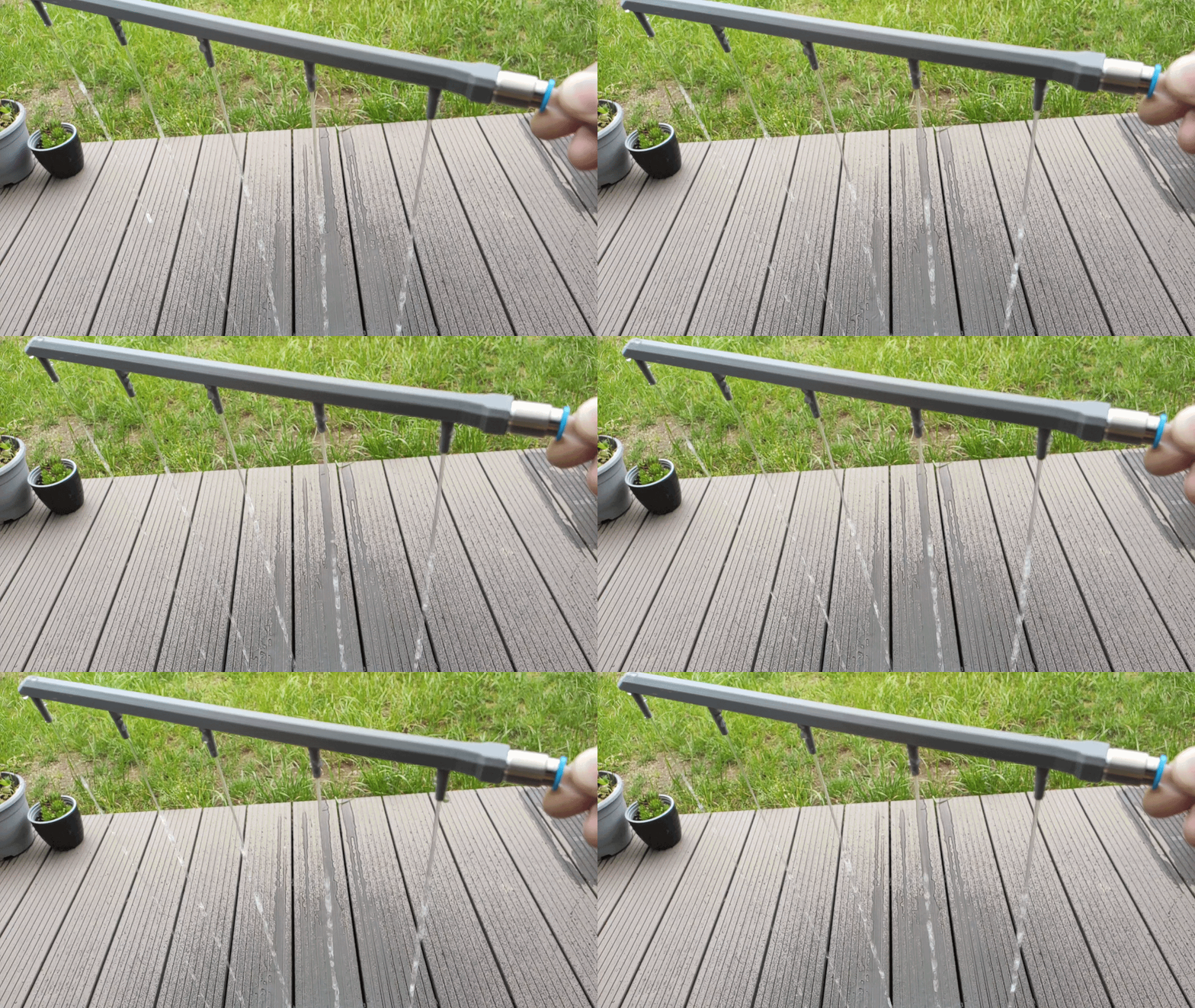
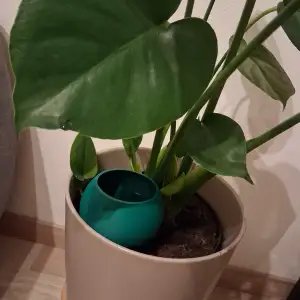

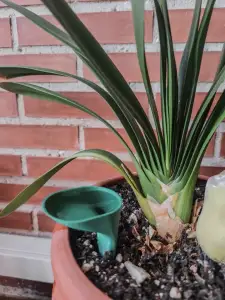

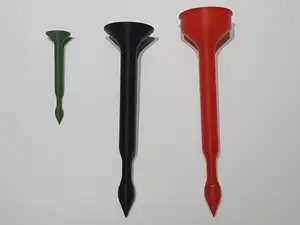

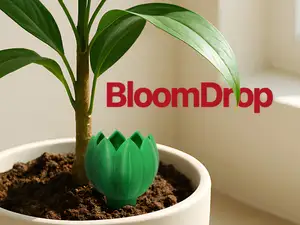
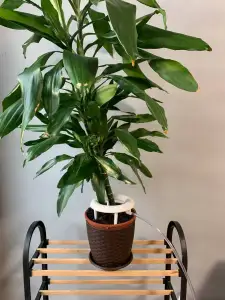

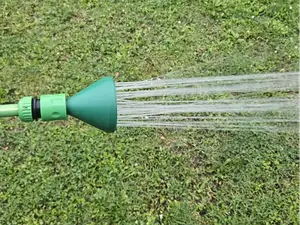
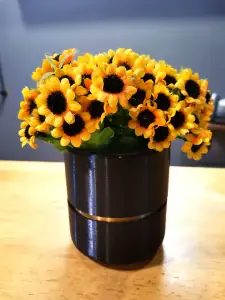

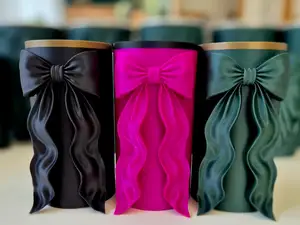
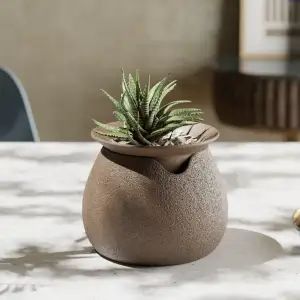

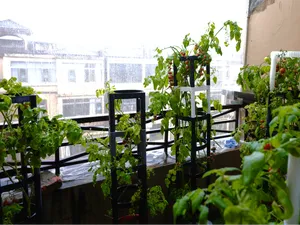
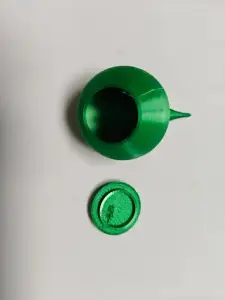

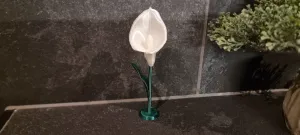

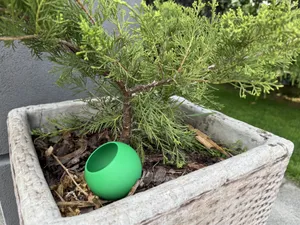
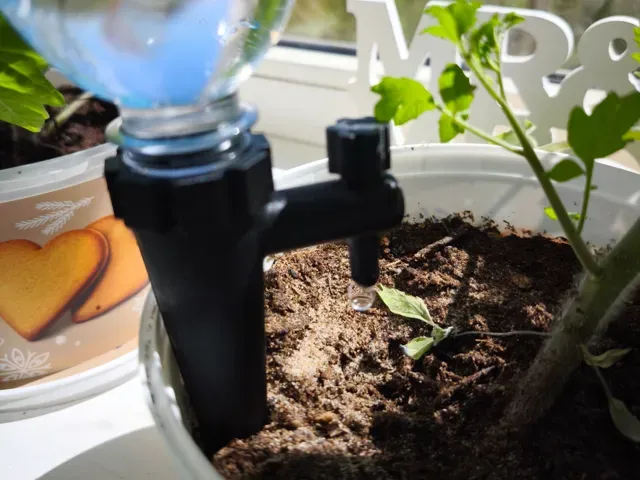
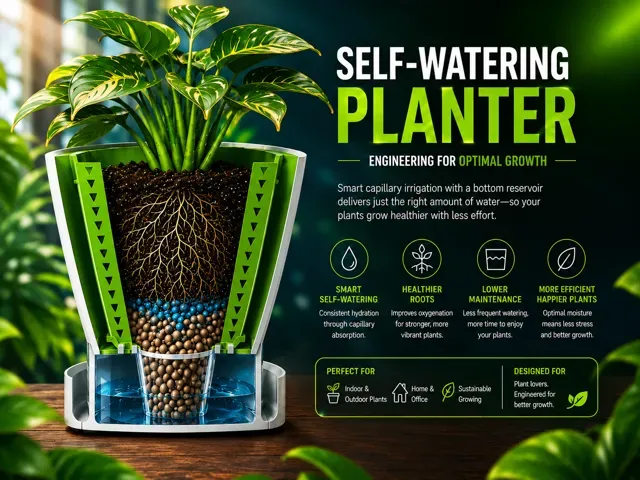
Self-watering pots usually combine an inner pot with a reservoir and differ by how water travels upward: a wick, a capillary gap or a column of soil. Spikes and droppers sit in the soil and release water slowly from a bottle or container, while drip systems use tubing and a distributor to feed several pots at once. Saucers and level indicators are the smallest parts and often come as an addition to one of the above.
When choosing, look at the reservoir volume, the outer diameter and height of the pot, and how many separate parts the model has. On the author's page, check whether supports are needed, which material and settings are listed for the walls that hold water, and photos of real prints. Wall thickness, layer height and print orientation affect how tight the reservoir turns out, so a test print of a small part is worth the time.
Search results widen if you try synonyms: sub-irrigation, capillary watering, wick planter, olla, slow-drip spike, watering bulb, or the names of parts such as reservoir, saucer, float or valve. Adding a plant type, a pot diameter or a place like balcony, windowsill or greenhouse narrows the list. Titles also appear in other languages, so the same design may be found under translated terms.
暮らし・日用品からCNCまで、すべてのテーマをそろえたカタログ。対応サイトを横断して検索できます。