Kostenlos 
Devious Pythagorean Cup
Thingiverse
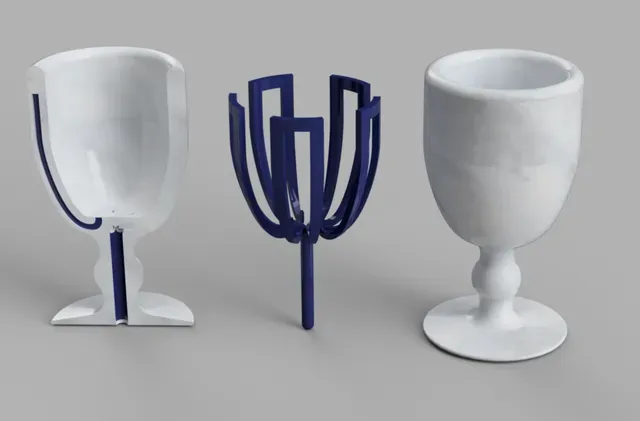
This collection gathers 3D models of the Pythagorean cup, the vessel that drains itself once the liquid passes an inner channel. The files range from classic siphon bowls to prank versions and small espresso-sized shapes, all prepared for 3D printing. It helps you compare how different authors solve the same internal geometry before you commit to a print. Polyzon does not confirm whether models are free, their price, license, official status, affiliation, safety or fitness. Check the current terms at the source.
Der Text dieser Sammlung ist auf Englisch verfasst; die Suche selbst funktioniert in jeder Sprache.
 Eine Sammlung von Polyzon · 48 Modelle von 4 Plattformen
Polyzon stellt diese Sammlung aus den Suchergebnissen der angebundenen Plattformen zusammen. Dubletten und Modelle ohne Vorschaubild werden entfernt, schwache Treffer rutschen ans Ende, der Rest bleibt in der Reihenfolge der Suche. Die Modelle gehören ihren Urhebern – die Bedingungen findest du auf der Seite des jeweiligen Modells.
Auswahlregeln: Polyzon-Redaktion · Text aktualisiert: 15.10.2026


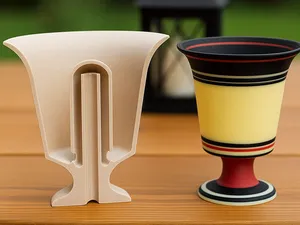




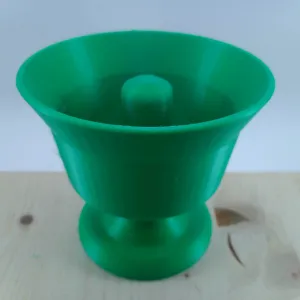



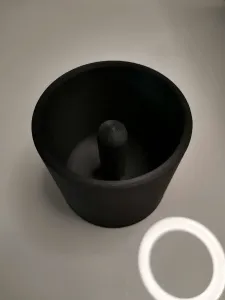

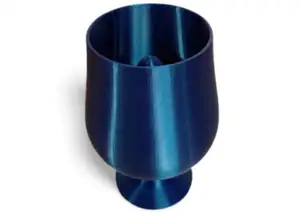

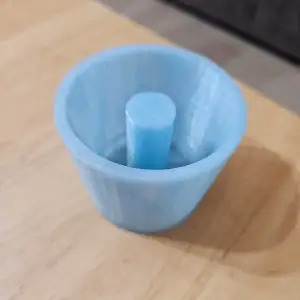

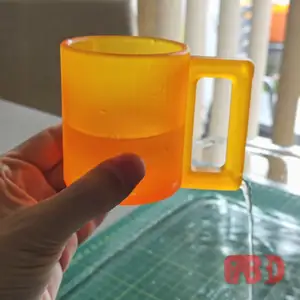
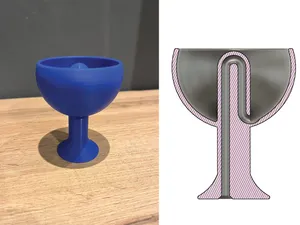
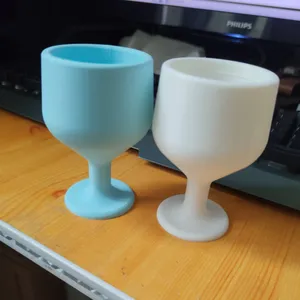


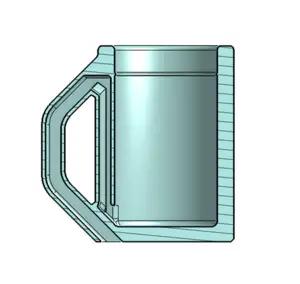
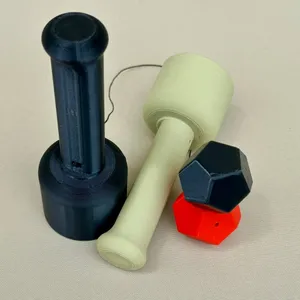


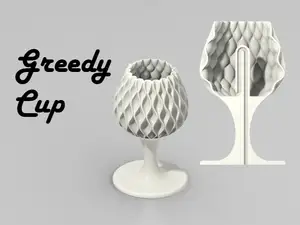
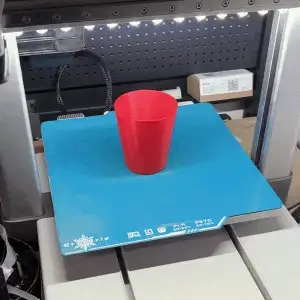

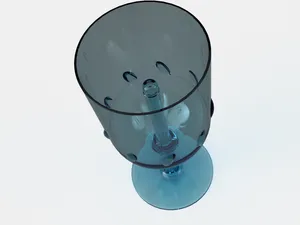

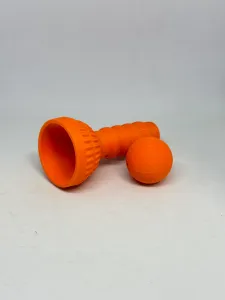


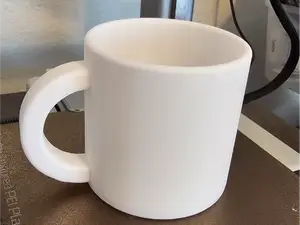
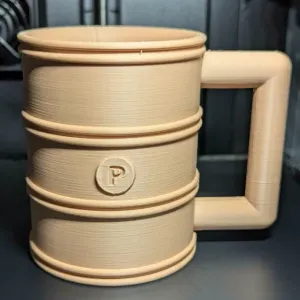


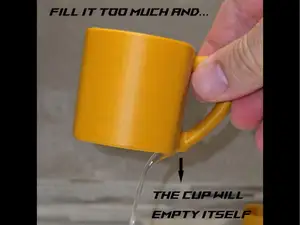
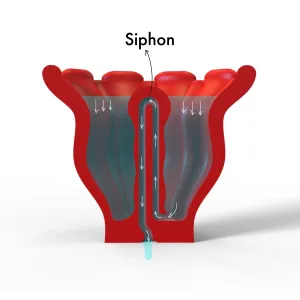

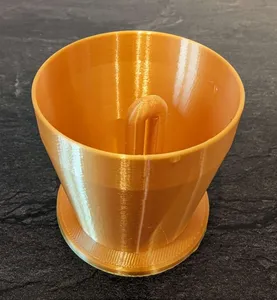
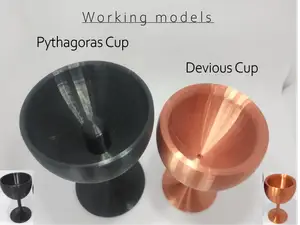
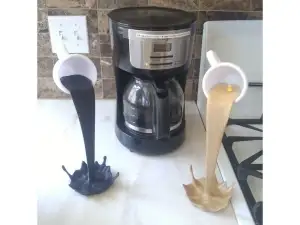
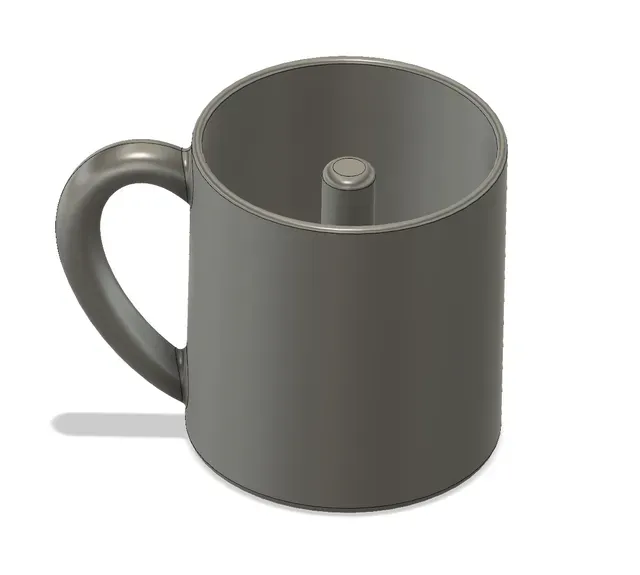
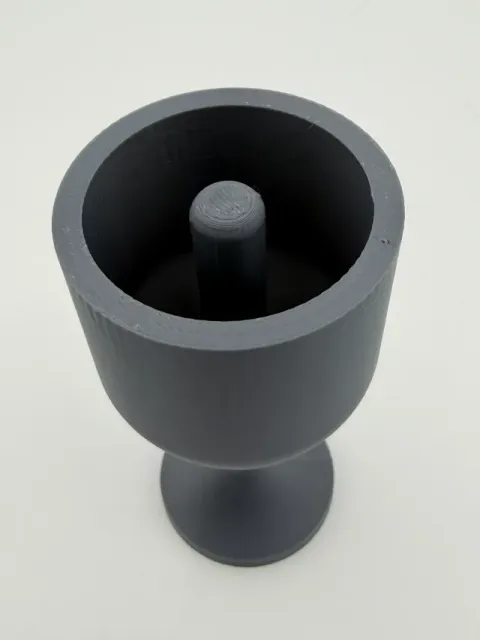
Most entries follow the same principle: an internal column or channel leads from the bottom of the bowl to a hidden outlet, so the cup holds liquid only up to a certain level. Authors differ in how they build that channel — some use a central pin, others route it through the wall or hide it in a decorative column. There are also simplified cutaway versions that show the siphon openly, which are easier to understand and to inspect in a slicer.
When choosing a model, look at the wall thickness and the diameter of the internal channel, since a narrow passage is harder to clear and a very thin wall may not seal. Check the number of parts and whether the author expects glue or a press fit, and read the listed material and layer height. Photos of real prints on the model page show how the siphon outlet looks after printing and whether the surface needs post-processing.
If the results feel narrow, try related terms: greedy cup, cup of greed, unfillable cup, Pythagoras beaker, siphon cup, or the German and Chinese names used by some authors. You can also search for siphon models, trick cups or prank tableware to find variants that use the same principle in a different shape. Combining such terms with a size or use case, like espresso or mug, usually narrows the list further.


Der komplette Themenkatalog – von Wohnen & Haushalt bis CNC, mit Suche auf allen angebundenen Plattformen.