Gratuit 
Devious Pythagorean Cup
Thingiverse
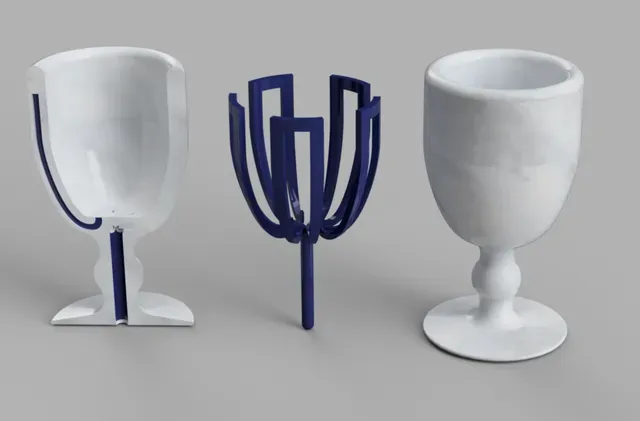
This collection gathers 3D models of the Pythagorean cup, the vessel that drains itself once the liquid passes an inner channel. The files range from classic siphon bowls to prank versions and small espresso-sized shapes, all prepared for 3D printing. It helps you compare how different authors solve the same internal geometry before you commit to a print. Polyzon does not confirm whether models are free, their price, license, official status, affiliation, safety or fitness. Check the current terms at the source.
Le texte de cette collection est rédigé en anglais ; la recherche, elle, fonctionne dans toutes les langues.
 Une collection Polyzon · 48 modèles sur 4 plateformes
Polyzon compose cette collection à partir des résultats de recherche des plateformes connectées. Les doublons et les modèles sans aperçu sont retirés, les correspondances faibles sont placées à la fin, et le reste suit l’ordre de la recherche. Les modèles appartiennent à leurs auteurs : consultez les conditions sur la page de chaque modèle.
Règles de sélection : la rédaction de Polyzon · Texte mis à jour le 15/10/2026


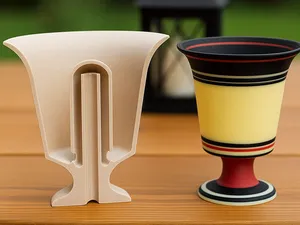




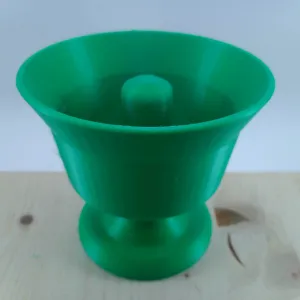



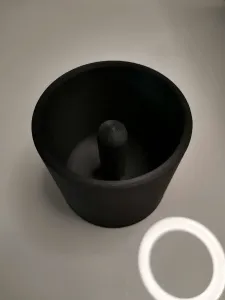

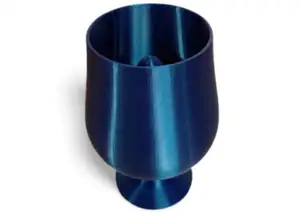

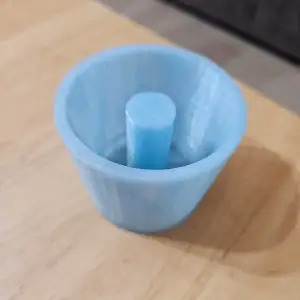

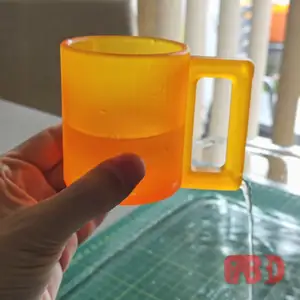
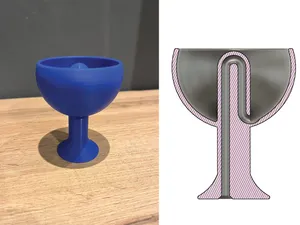
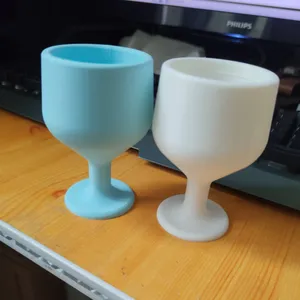


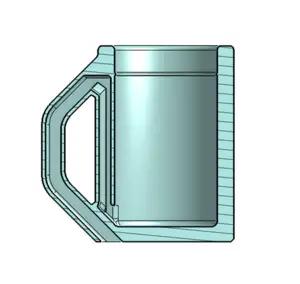
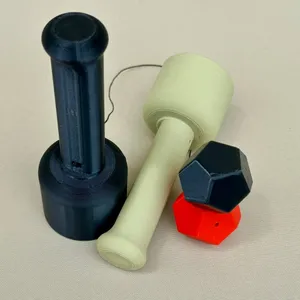


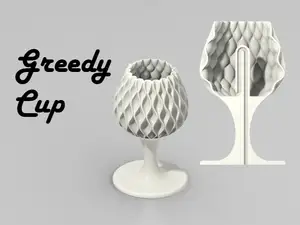
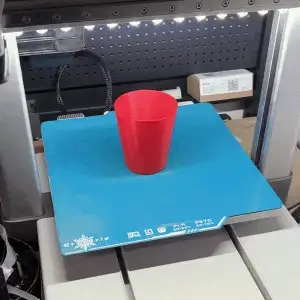

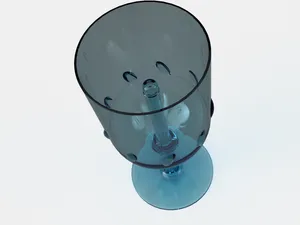

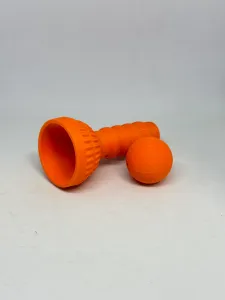


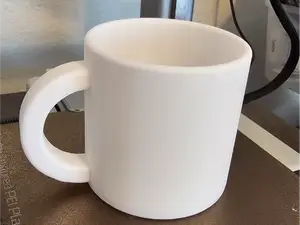
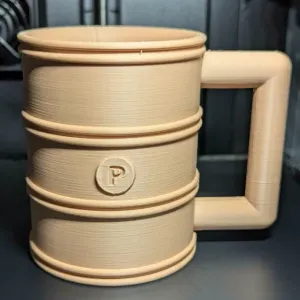


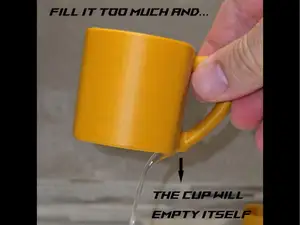
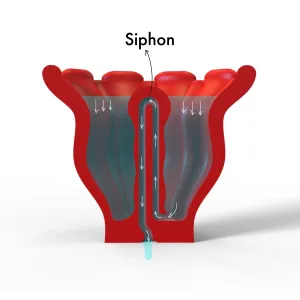

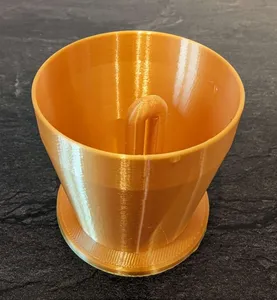
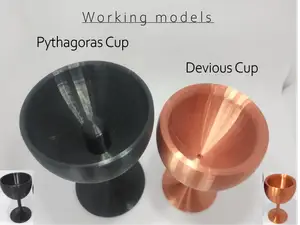
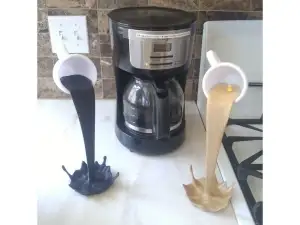
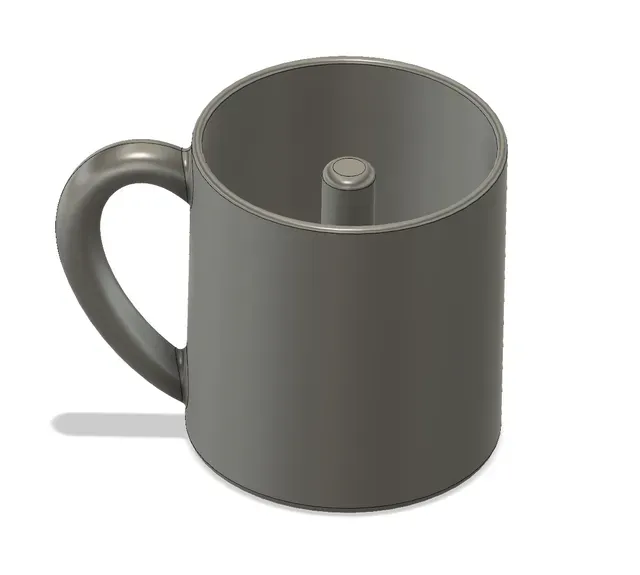
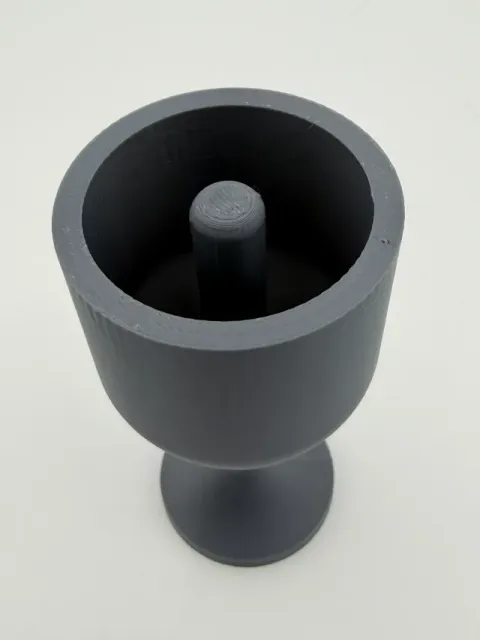
Most entries follow the same principle: an internal column or channel leads from the bottom of the bowl to a hidden outlet, so the cup holds liquid only up to a certain level. Authors differ in how they build that channel — some use a central pin, others route it through the wall or hide it in a decorative column. There are also simplified cutaway versions that show the siphon openly, which are easier to understand and to inspect in a slicer.
When choosing a model, look at the wall thickness and the diameter of the internal channel, since a narrow passage is harder to clear and a very thin wall may not seal. Check the number of parts and whether the author expects glue or a press fit, and read the listed material and layer height. Photos of real prints on the model page show how the siphon outlet looks after printing and whether the surface needs post-processing.
If the results feel narrow, try related terms: greedy cup, cup of greed, unfillable cup, Pythagoras beaker, siphon cup, or the German and Chinese names used by some authors. You can also search for siphon models, trick cups or prank tableware to find variants that use the same principle in a different shape. Combining such terms with a size or use case, like espresso or mug, usually narrows the list further.


Le catalogue complet des thèmes, de la maison à la CNC, avec une recherche sur tous les sites connectés.