
Kostenlos 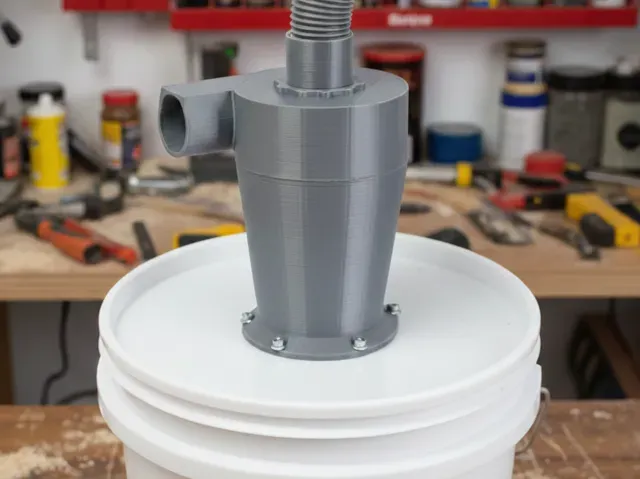
Cyclone Dust Separator for Vacuum Cleaner
MakerWorld
Separators of this kind spin incoming air so chips and fine dust drop out before they reach a vacuum or extractor. The collection gathers STL files for housings, staged units, filter inserts and adapters that connect to workshop hoses. Start with the inlet and outlet sizes, since they decide which hose you can attach. Polyzon does not confirm whether models are free, their price, license, official status, affiliation, safety or fitness. Check the current terms at the source.
Der Text dieser Sammlung ist auf Englisch verfasst; die Suche selbst funktioniert in jeder Sprache.
 Eine Sammlung von Polyzon · 48 Modelle von 5 Plattformen
Polyzon stellt diese Sammlung aus den Suchergebnissen der angebundenen Plattformen zusammen. Dubletten und Modelle ohne Vorschaubild werden entfernt, schwache Treffer rutschen ans Ende, der Rest bleibt in der Reihenfolge der Suche. Die Modelle gehören ihren Urhebern – die Bedingungen findest du auf der Seite des jeweiligen Modells.
Auswahlregeln: Polyzon-Redaktion · Text aktualisiert: 11.10.2026
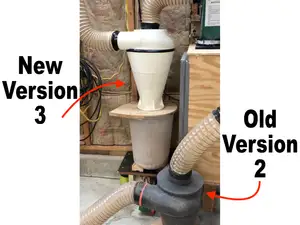

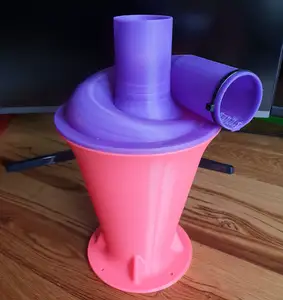

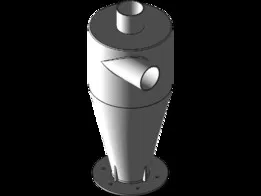
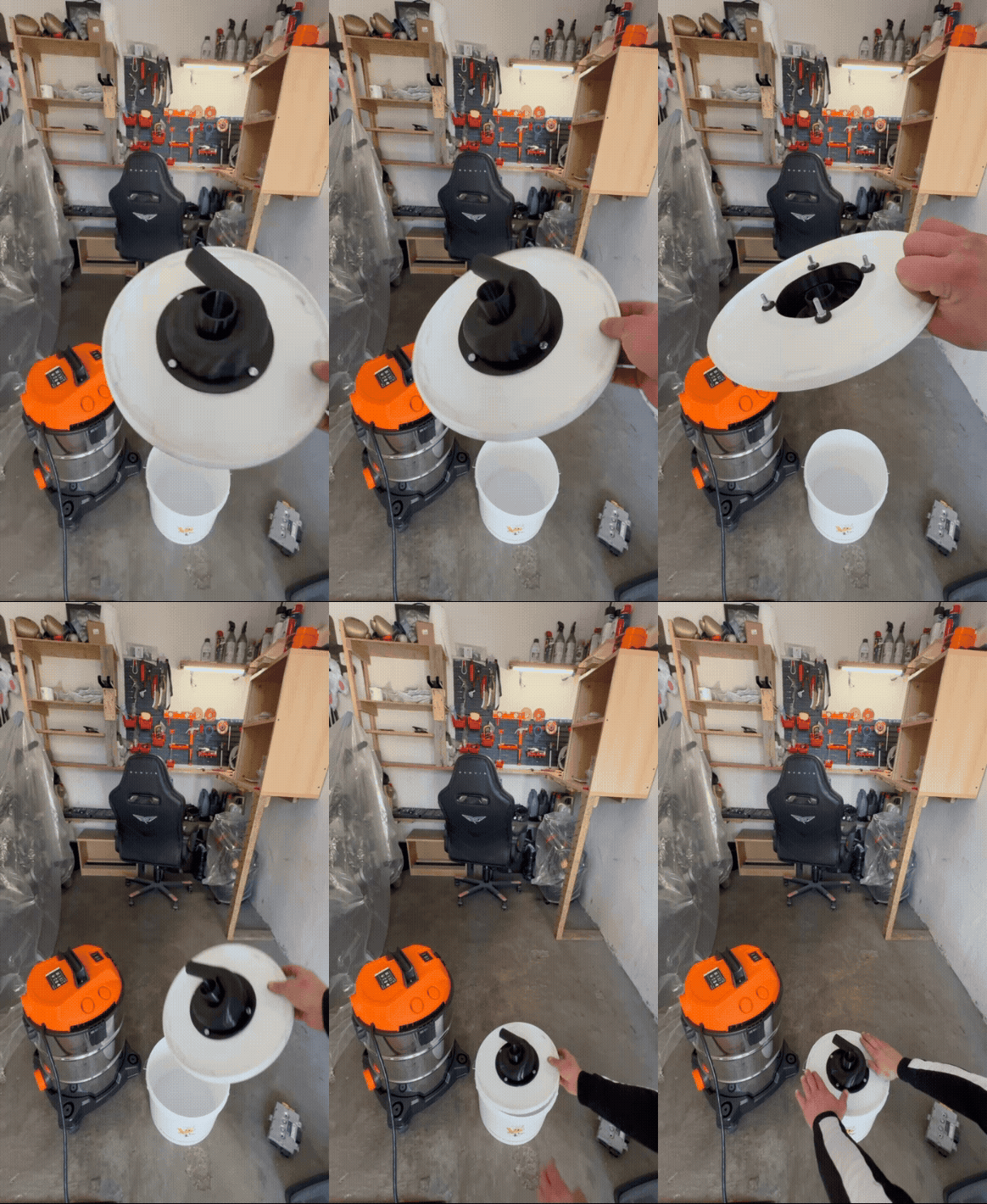

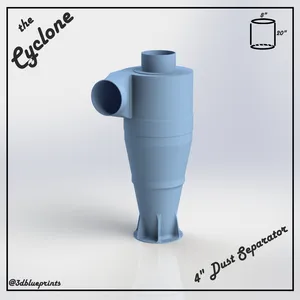
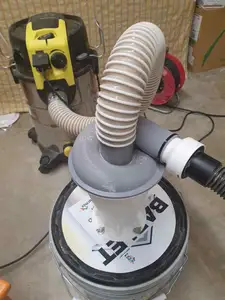
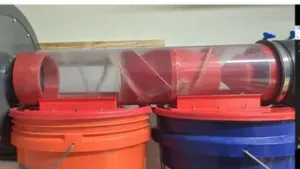

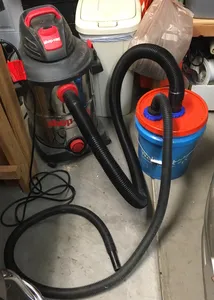
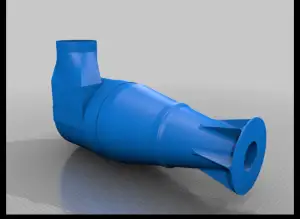


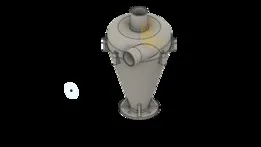
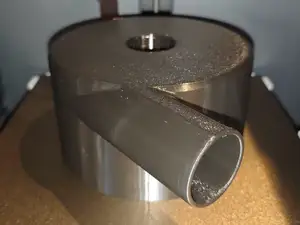

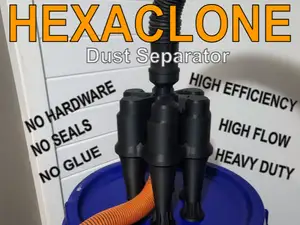
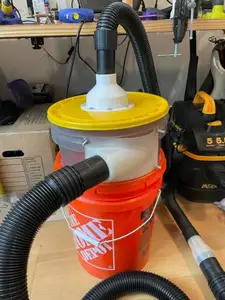




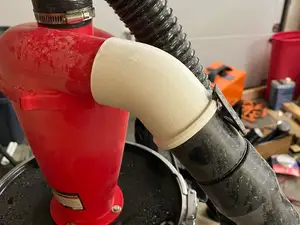

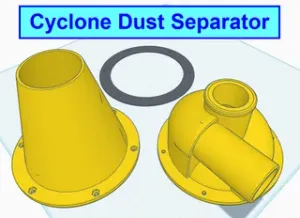


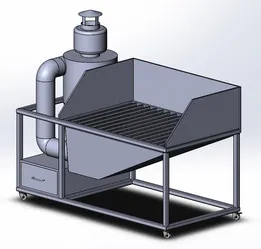
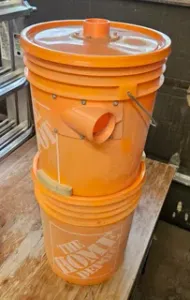


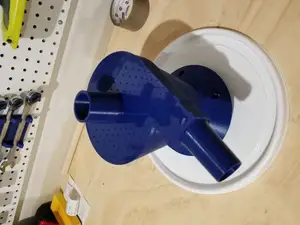

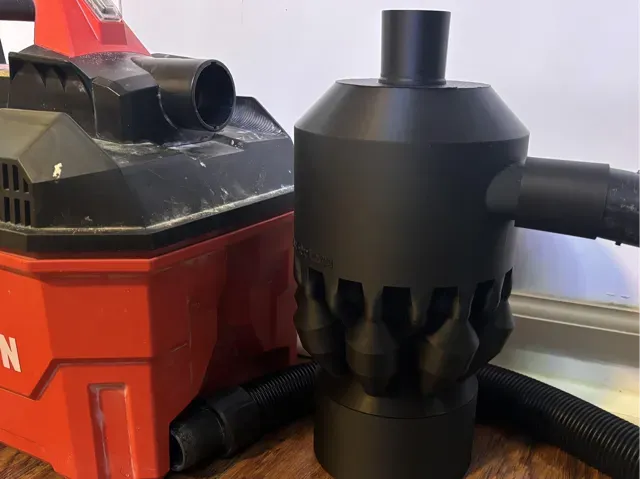
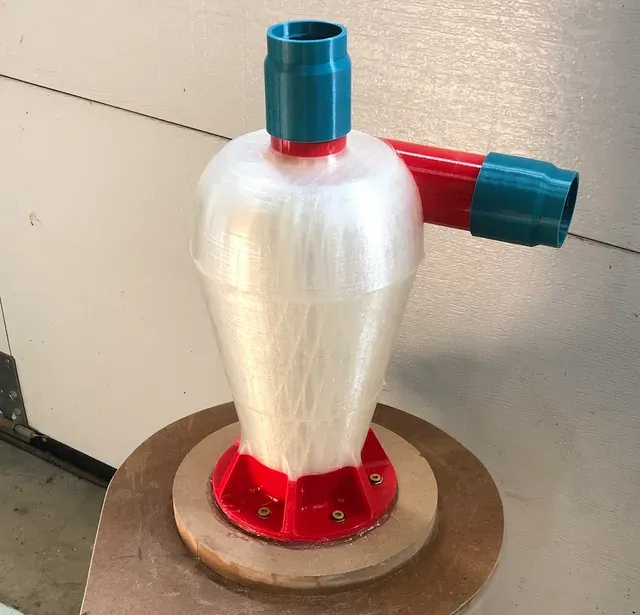
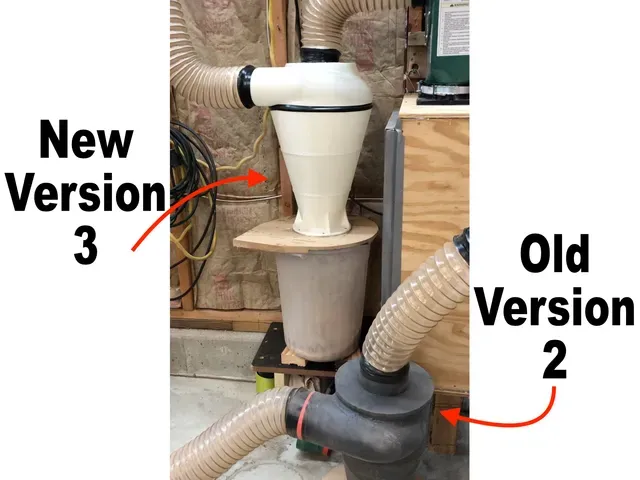
The models fall into a few groups. Single-cyclone bodies are the simplest shape and are usually printed as one piece or a small number of parts. Two-stage and multi-stage designs add a second chamber or a filter section, which changes how tall the unit stands and how much room it needs under a bench. Centrifugal and vortex-style inserts sit inside a container you already have instead of forming the whole body.
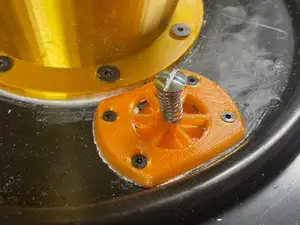
On the author's model page, check the stated inlet and outlet diameters, the wall thickness and the list of printed parts. Assembly details matter: some designs glue or bolt together, others use threaded rings or clamps. The material and settings the author lists give you a starting point, and photos of real prints show how the surfaces and joints came out.
Search terms can be narrowed or widened depending on what you need. Try synonyms such as cyclone filter, vortex filter, chip collector or dust extractor, and add the part you are working with, like shop vacuum, extractor hose or bucket lid. Related topics include hose adapters, blast gates, filter cartridges and workshop vacuum fittings.




Der komplette Themenkatalog – von Wohnen & Haushalt bis CNC, mit Suche auf allen angebundenen Plattformen.