
免费 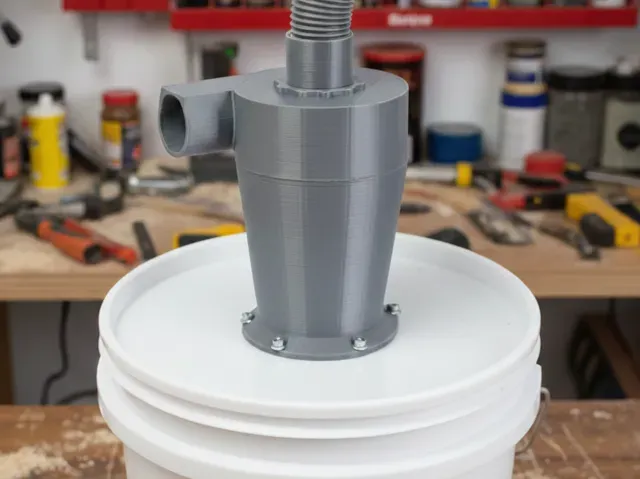
Cyclone Dust Separator for Vacuum Cleaner
MakerWorld
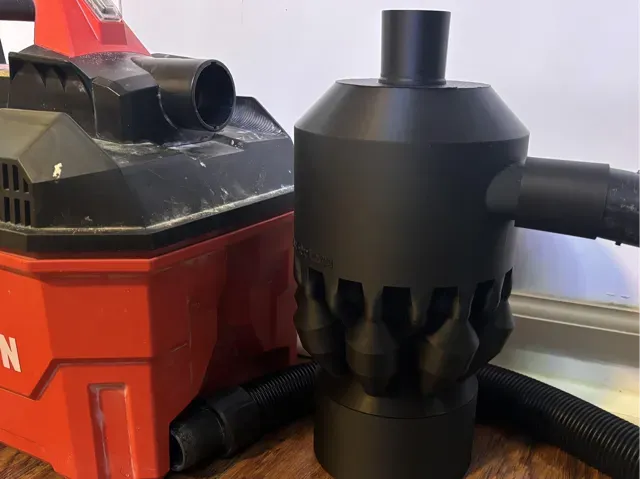
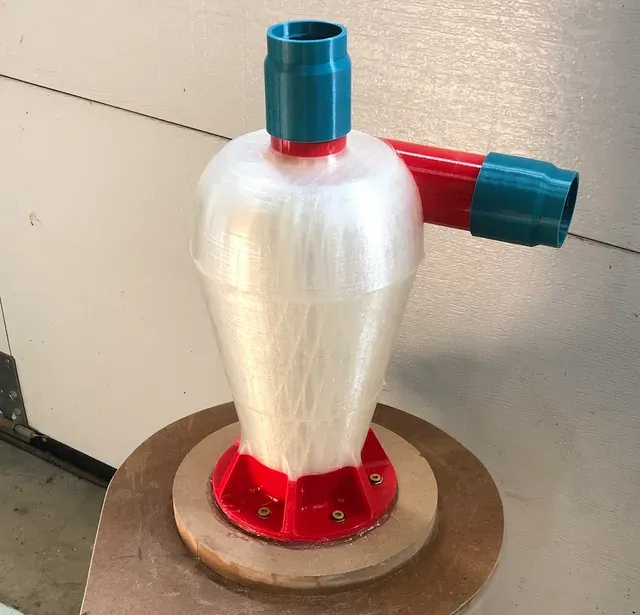
Separators of this kind spin incoming air so chips and fine dust drop out before they reach a vacuum or extractor. The collection gathers STL files for housings, staged units, filter inserts and adapters that connect to workshop hoses. Start with the inlet and outlet sizes, since they decide which hose you can attach. Polyzon does not confirm whether models are free, their price, license, official status, affiliation, safety or fitness. Check the current terms at the source.
本合集的文字为英文,搜索本身支持任何语言。
 Polyzon合集 · 48个模型 来自5个平台
此合集由Polyzon根据已接入平台的搜索结果整理而成:去除重复项和没有预览图的模型,匹配度低的排在最后,其余按搜索结果顺序排列。模型归作者所有——请在各模型页面查看使用条款。
筛选规则:Polyzon编辑部 · 文字更新于2026年10月11日
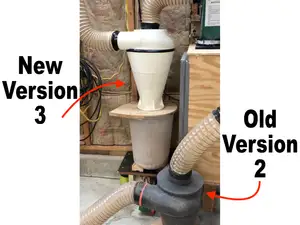

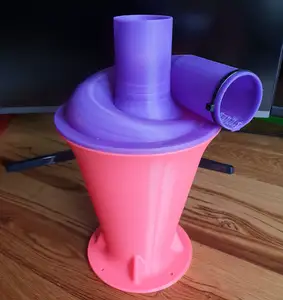

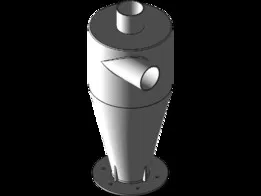
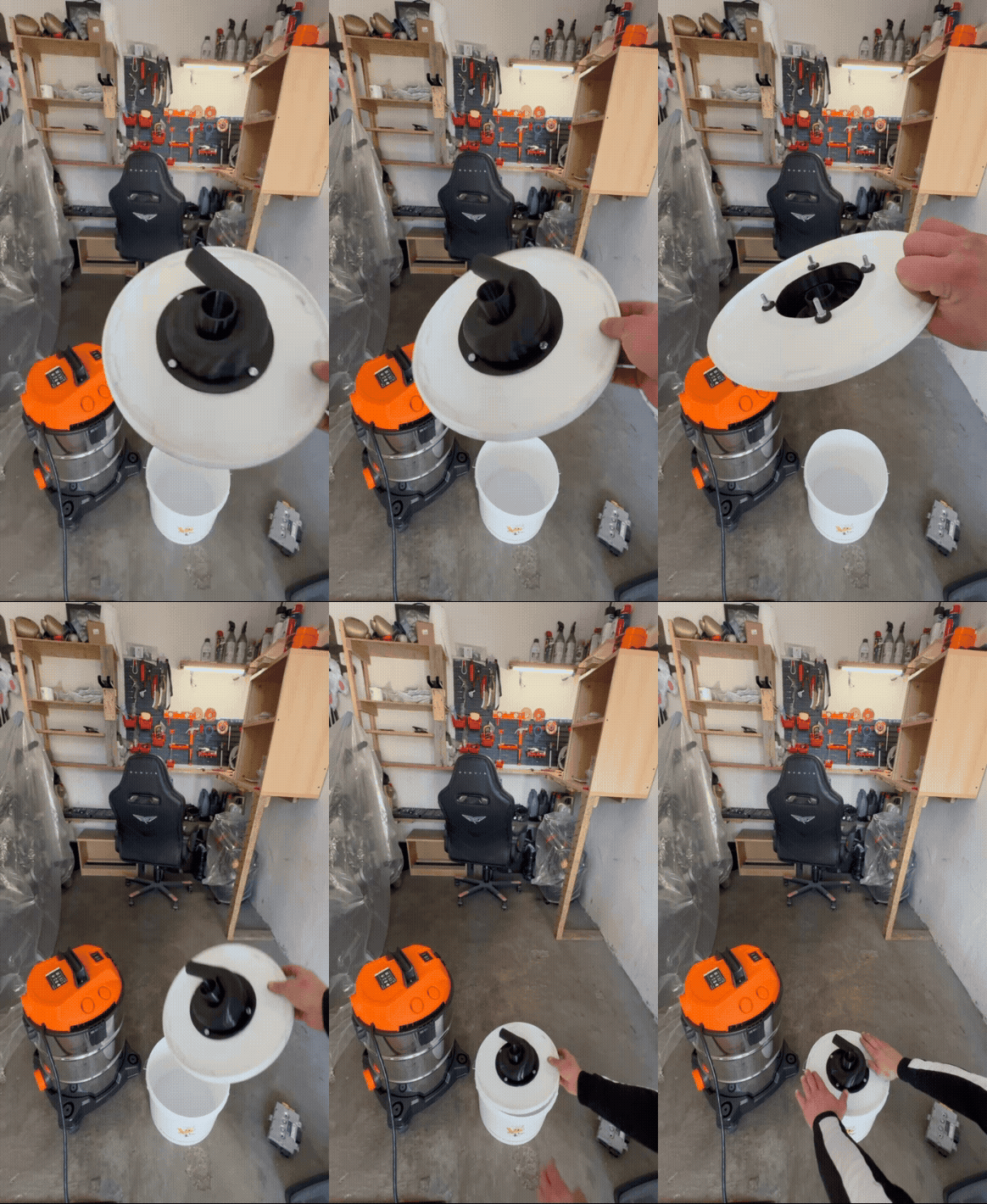

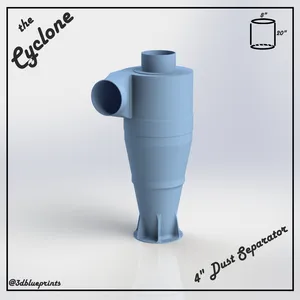
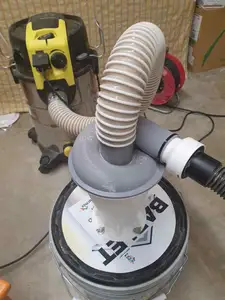
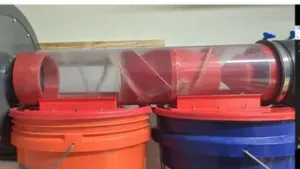

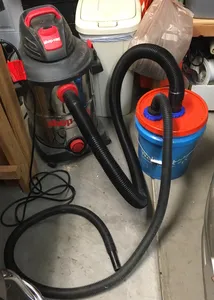
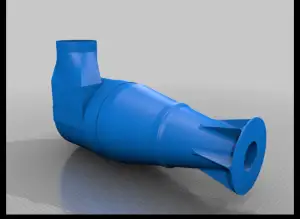


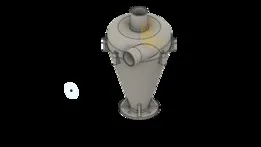
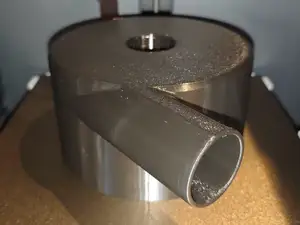

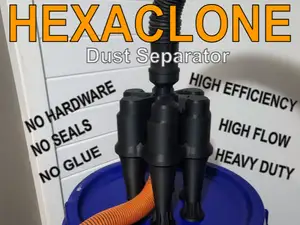
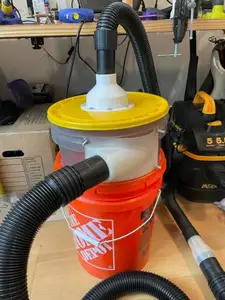


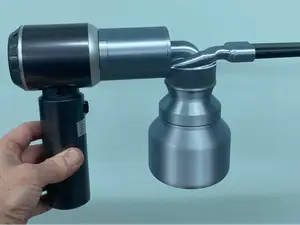


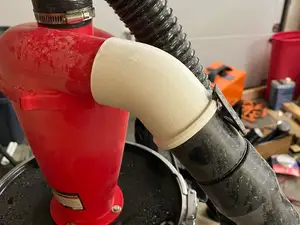

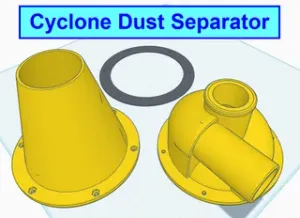


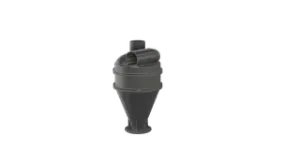
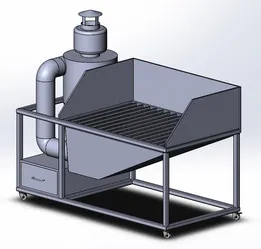
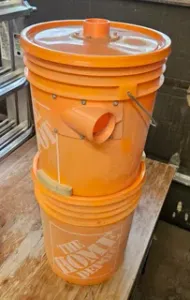


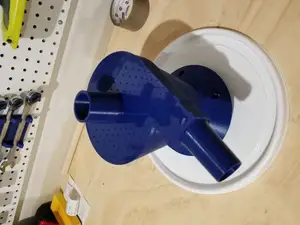

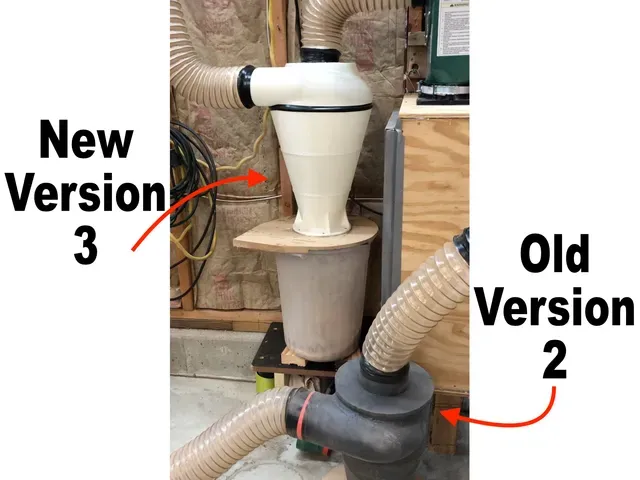
The models fall into a few groups. Single-cyclone bodies are the simplest shape and are usually printed as one piece or a small number of parts. Two-stage and multi-stage designs add a second chamber or a filter section, which changes how tall the unit stands and how much room it needs under a bench. Centrifugal and vortex-style inserts sit inside a container you already have instead of forming the whole body.
On the author's model page, check the stated inlet and outlet diameters, the wall thickness and the list of printed parts. Assembly details matter: some designs glue or bolt together, others use threaded rings or clamps. The material and settings the author lists give you a starting point, and photos of real prints show how the surfaces and joints came out.
Search terms can be narrowed or widened depending on what you need. Try synonyms such as cyclone filter, vortex filter, chip collector or dust extractor, and add the part you are working with, like shop vacuum, extractor hose or bucket lid. Related topics include hose adapters, blast gates, filter cartridges and workshop vacuum fittings.
完整的主题目录:从家居日用到CNC,均可在已接入的来源平台中搜索。