Kostenlos 
Sphinx of Hatshepsut
Thingiverse
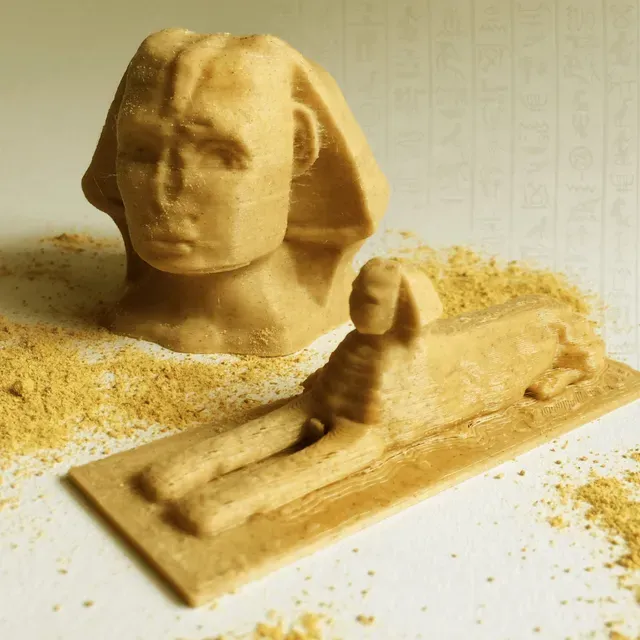
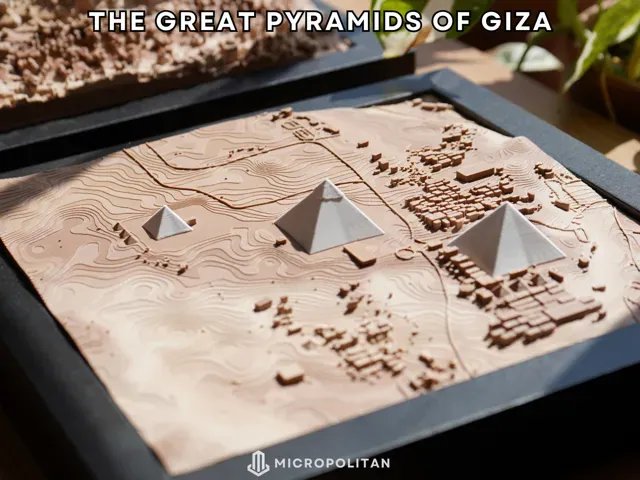
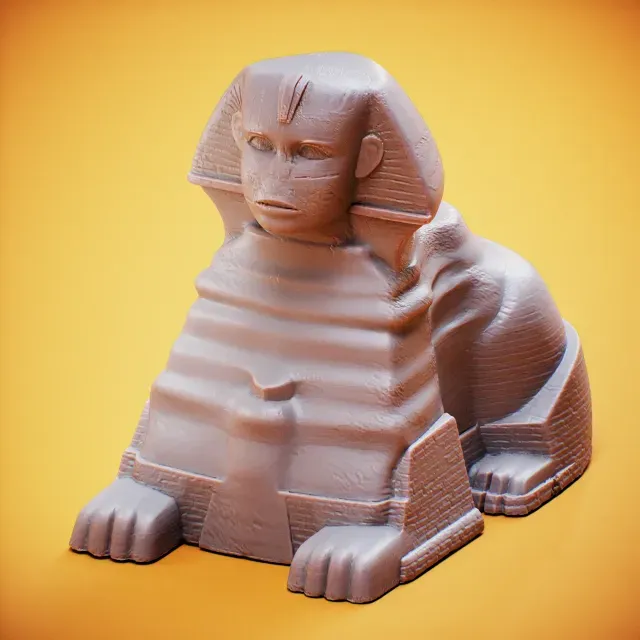
This collection gathers sphinx figures, from full statues to heads and busts, together with pyramid and plateau models from the same setting. It is useful for 3D printing because the entries range from scanned museum pieces to cleanly modeled decor, so you can pick the level of detail and size you want. Each listing points to an author's page where the STL and its print notes live. Polyzon does not confirm whether models are free, their price, license, official status, affiliation, safety or fitness. Check the current terms at the source.
Der Text dieser Sammlung ist auf Englisch verfasst; die Suche selbst funktioniert in jeder Sprache.
 Eine Sammlung von Polyzon · 48 Modelle von 4 Plattformen
Polyzon stellt diese Sammlung aus den Suchergebnissen der angebundenen Plattformen zusammen. Dubletten und Modelle ohne Vorschaubild werden entfernt, schwache Treffer rutschen ans Ende, der Rest bleibt in der Reihenfolge der Suche. Die Modelle gehören ihren Urhebern – die Bedingungen findest du auf der Seite des jeweiligen Modells.
Auswahlregeln: Polyzon-Redaktion · Text aktualisiert: 14.10.2026


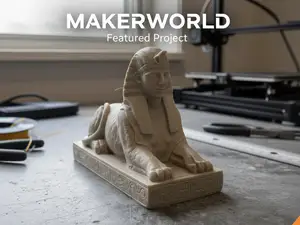
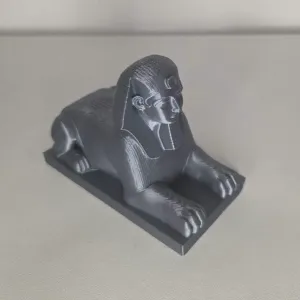


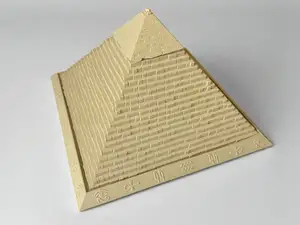
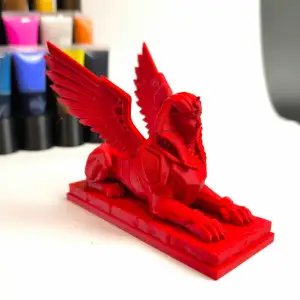

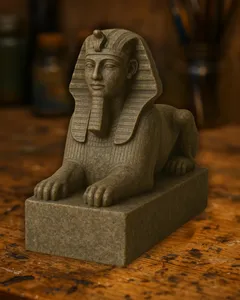
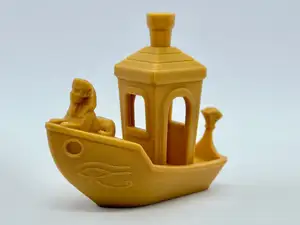
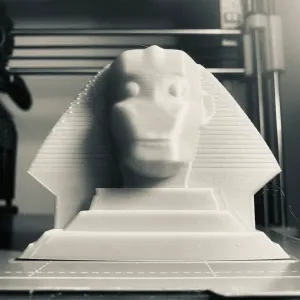


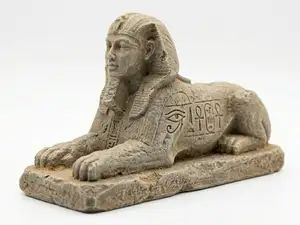
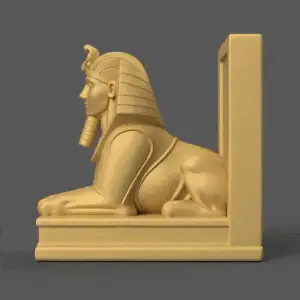

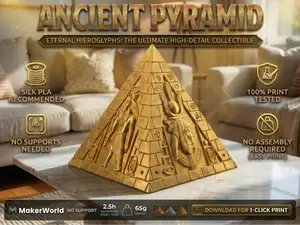
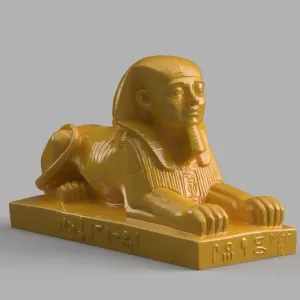

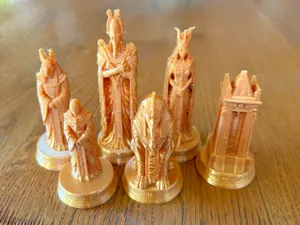
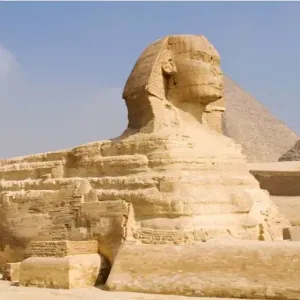

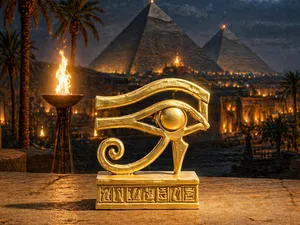
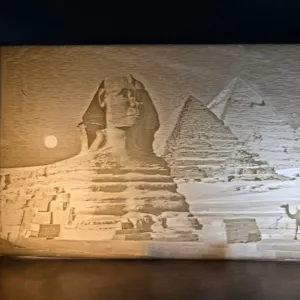

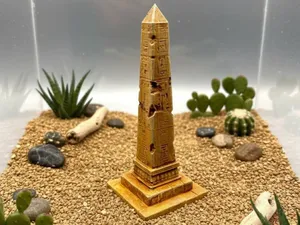
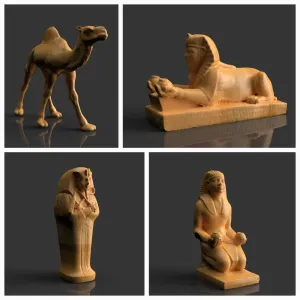

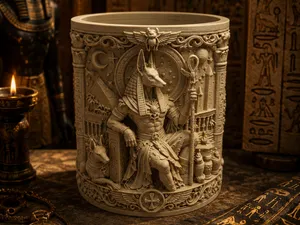
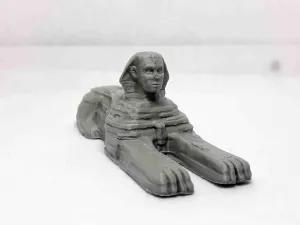

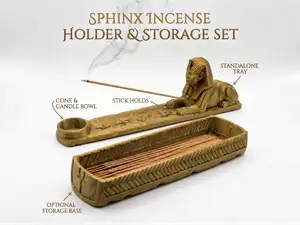
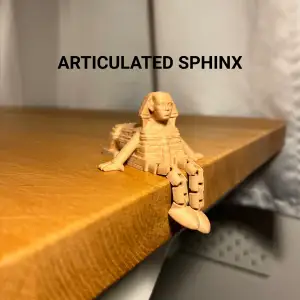

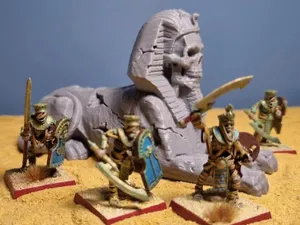
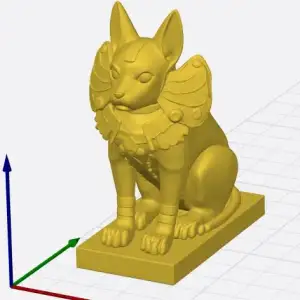

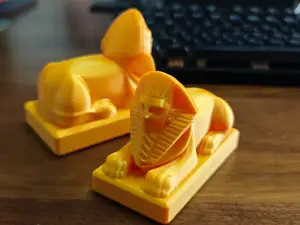
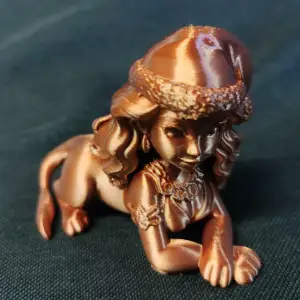

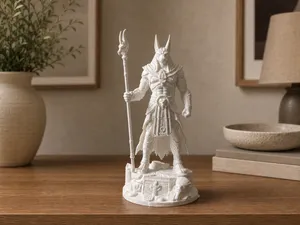
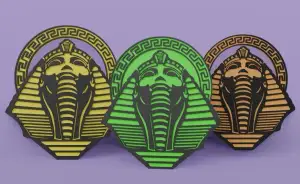

The entries fall into a few groups. There are large sphinx figures and busts, scanned museum sculptures that keep chipped stone and surface wear, and modeled versions with smoother, more regular geometry. Pyramid and plateau models place the figure in its wider site, while miniatures, bookends and temple statues cover smaller display or decor uses. Scale is the clearest difference: tabletop pieces, shelf-sized decor and larger display prints sit side by side.
Before printing, open the author's page and read the listed dimensions and part count. A multi-part statue may need assembly and gluing, while a single-piece scan often needs supports under the paws, chin and headdress. Check the material and layer height the author used, since plain filament and stone-look filament read very differently on carved detail, and look at photos of finished prints to judge how much fine detail survives.
To widen or narrow the results, try related terms such as Giza, Luxor, Hatshepsut, obelisk, hieroglyph or Egyptian bust. Searching for pyramid, temple or sarcophagus helps if the site matters more than the figure. Adding words like miniature, bookend, scan or decor shifts the list toward a particular use, and pairing a landmark name with a format word usually gives a shorter, more focused set.



Der komplette Themenkatalog – von Wohnen & Haushalt bis CNC, mit Suche auf allen angebundenen Plattformen.