Gratis 
Sphinx of Hatshepsut
Thingiverse
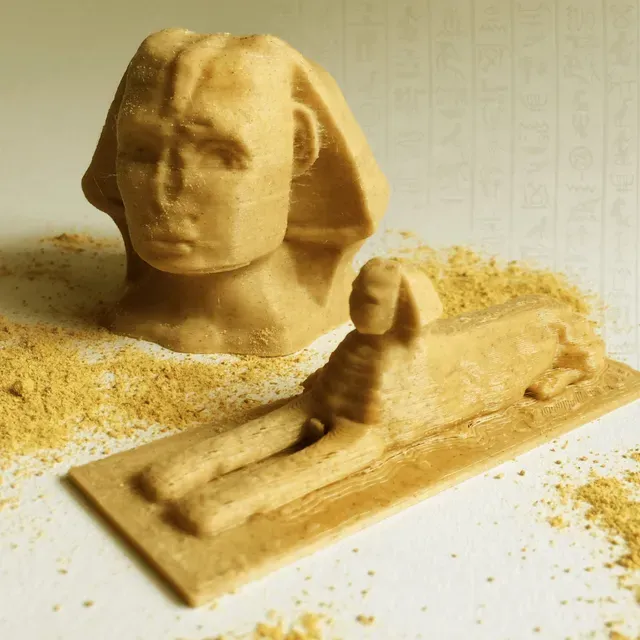
This collection gathers sphinx figures, from full statues to heads and busts, together with pyramid and plateau models from the same setting. It is useful for 3D printing because the entries range from scanned museum pieces to cleanly modeled decor, so you can pick the level of detail and size you want. Each listing points to an author's page where the STL and its print notes live. Polyzon does not confirm whether models are free, their price, license, official status, affiliation, safety or fitness. Check the current terms at the source.
Esta colección está escrita en inglés, pero la búsqueda funciona en cualquier idioma.
 Una colección de Polyzon · 48 modelos de 4 plataformas
Polyzon reúne esta colección a partir de los resultados de búsqueda de las plataformas conectadas. Se eliminan los duplicados y los modelos sin vista previa, las coincidencias débiles van al final y el resto mantiene el orden de la búsqueda. Los modelos pertenecen a sus autores: consulta las condiciones en la página de cada modelo.
Criterios de selección: el equipo editorial de Polyzon · Texto actualizado el 14/10/2026


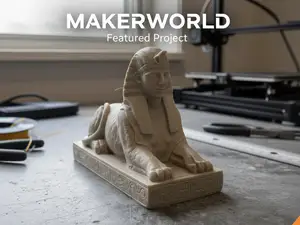
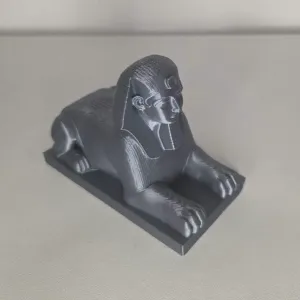


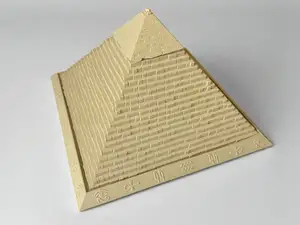
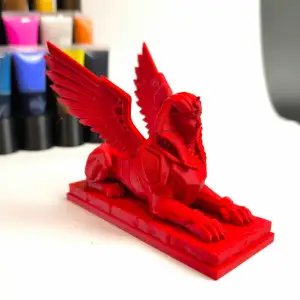

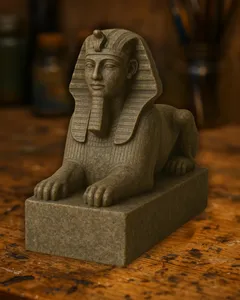
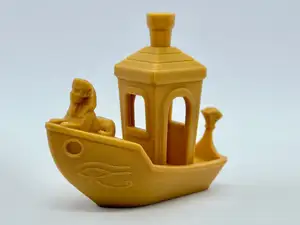
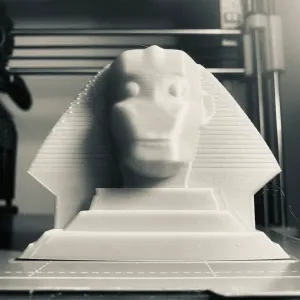


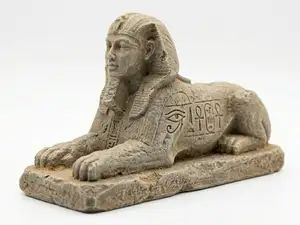
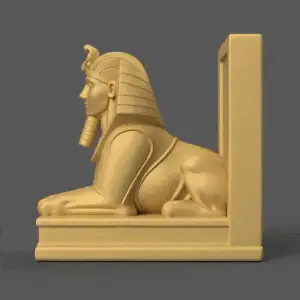

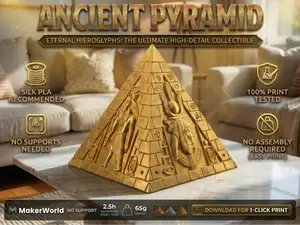
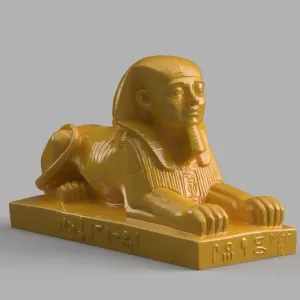

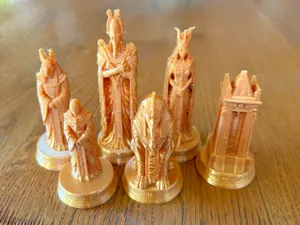
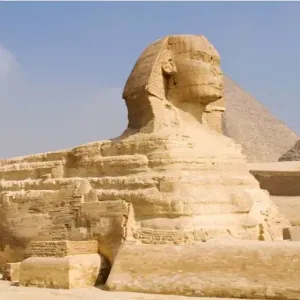

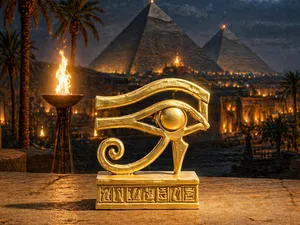
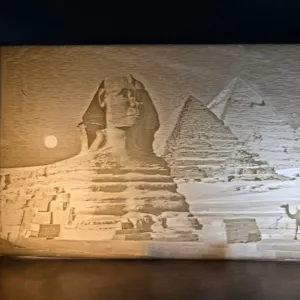

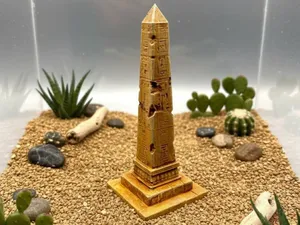
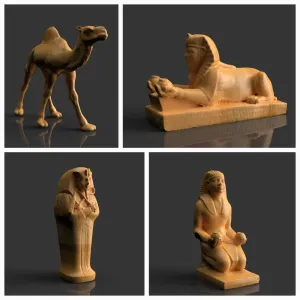

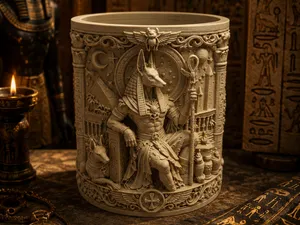
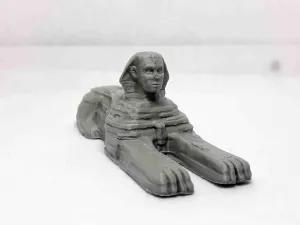

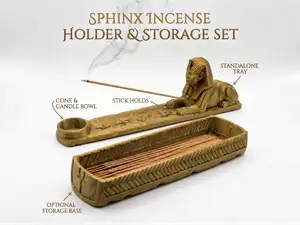
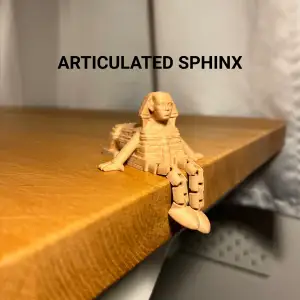

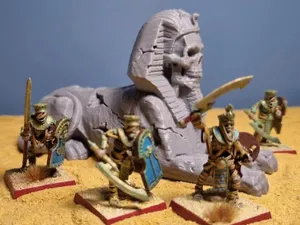
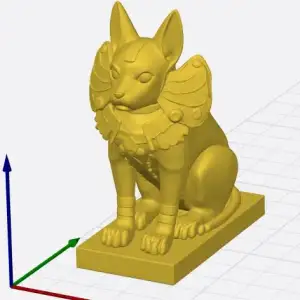

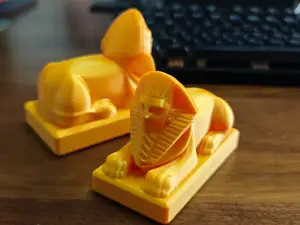
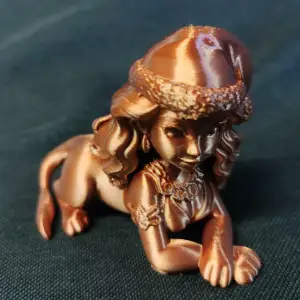

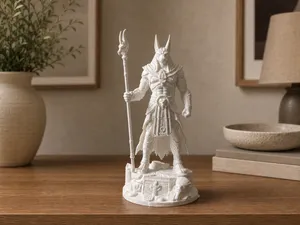
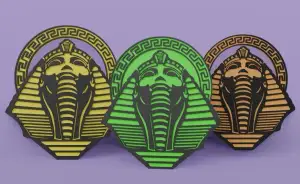

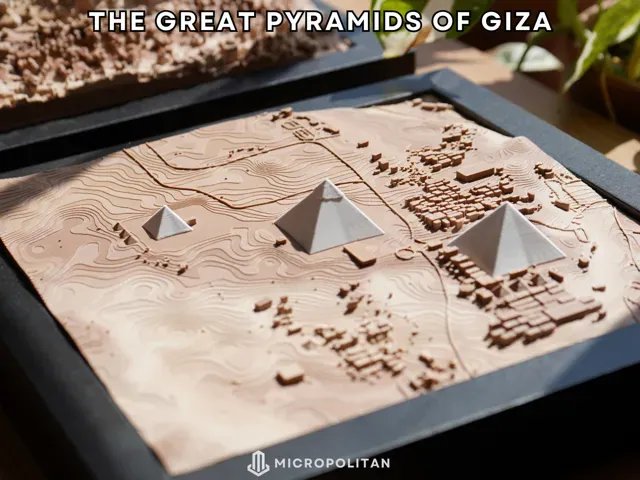
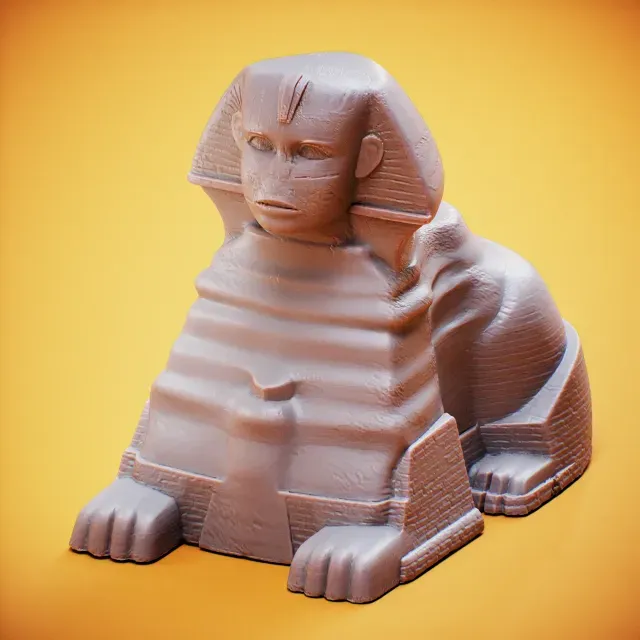
The entries fall into a few groups. There are large sphinx figures and busts, scanned museum sculptures that keep chipped stone and surface wear, and modeled versions with smoother, more regular geometry. Pyramid and plateau models place the figure in its wider site, while miniatures, bookends and temple statues cover smaller display or decor uses. Scale is the clearest difference: tabletop pieces, shelf-sized decor and larger display prints sit side by side.
Before printing, open the author's page and read the listed dimensions and part count. A multi-part statue may need assembly and gluing, while a single-piece scan often needs supports under the paws, chin and headdress. Check the material and layer height the author used, since plain filament and stone-look filament read very differently on carved detail, and look at photos of finished prints to judge how much fine detail survives.
To widen or narrow the results, try related terms such as Giza, Luxor, Hatshepsut, obelisk, hieroglyph or Egyptian bust. Searching for pyramid, temple or sarcophagus helps if the site matters more than the figure. Adding words like miniature, bookend, scan or decor shifts the list toward a particular use, and pairing a landmark name with a format word usually gives a shorter, more focused set.



El catálogo completo de temáticas, del hogar al CNC, con búsqueda en todas las plataformas conectadas.