
Kostenlos 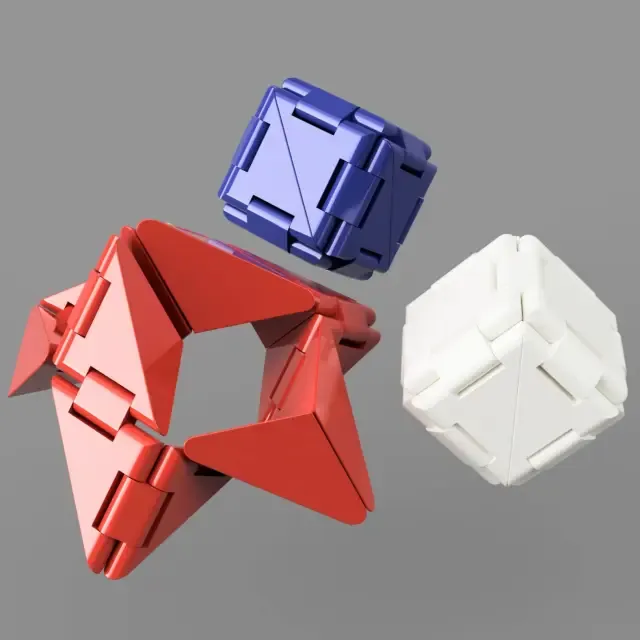
Fidget Puzzle Cube
Creality Cloud
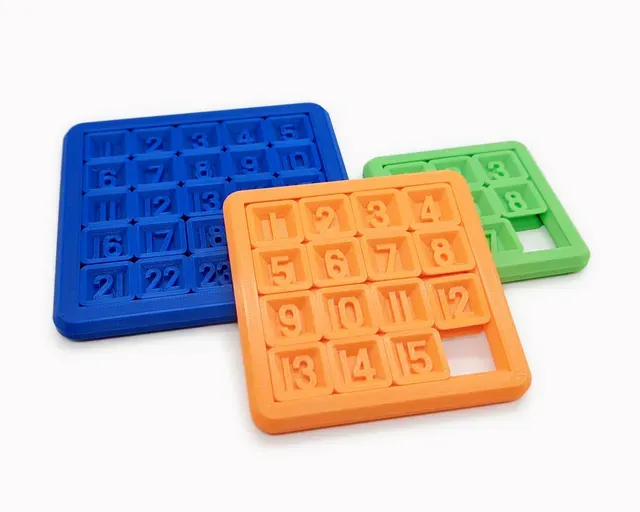
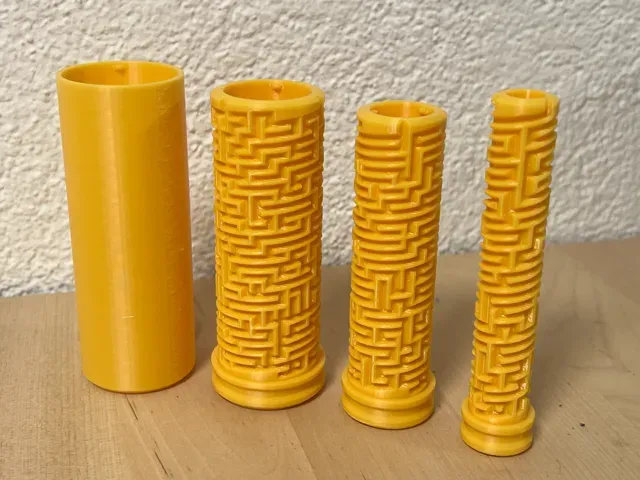
This collection gathers puzzle models made for 3D printing: sliding number cubes, maze boxes, jigsaw sets and small fidget pieces. Most entries are compact enough to sit on a desk, and many are designed as single-piece prints that move right off the plate. If you want a model that keeps your hands busy or works as a small gift, these STL files are a practical starting point. Polyzon does not confirm whether models are free, their price, license, official status, affiliation, safety or fitness. Check the current terms at the source.
Der Text dieser Sammlung ist auf Englisch verfasst; die Suche selbst funktioniert in jeder Sprache.
 Eine Sammlung von Polyzon · 46 Modelle von 6 Plattformen
Polyzon stellt diese Sammlung aus den Suchergebnissen der angebundenen Plattformen zusammen. Dubletten und Modelle ohne Vorschaubild werden entfernt, schwache Treffer rutschen ans Ende, der Rest bleibt in der Reihenfolge der Suche. Die Modelle gehören ihren Urhebern – die Bedingungen findest du auf der Seite des jeweiligen Modells.
Auswahlregeln: Polyzon-Redaktion · Text aktualisiert: 11.10.2026




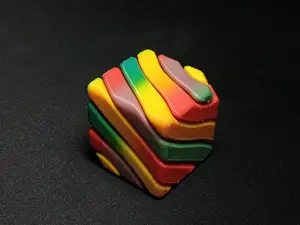

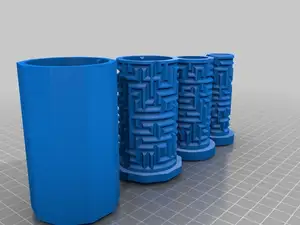
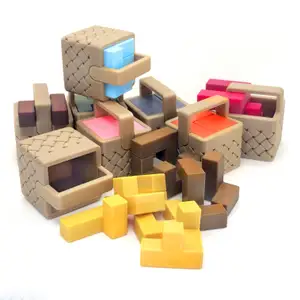


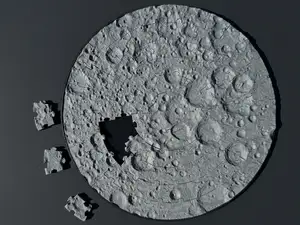
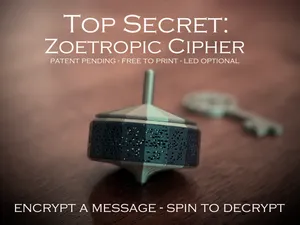
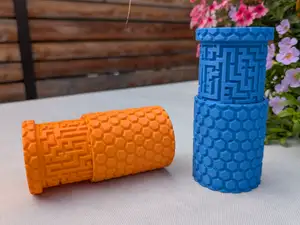
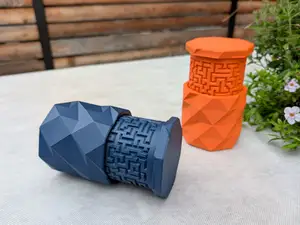
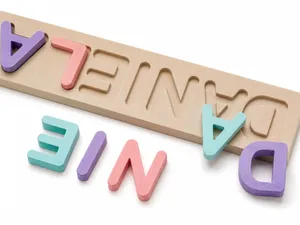
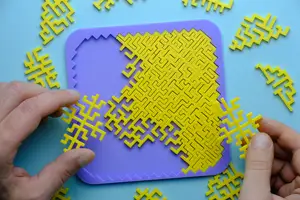


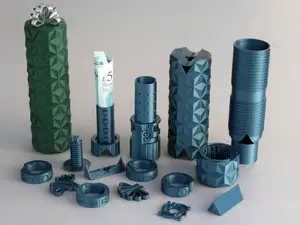


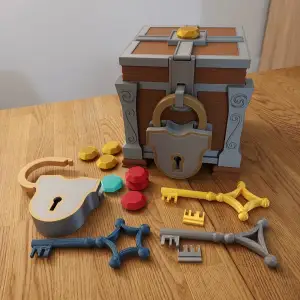


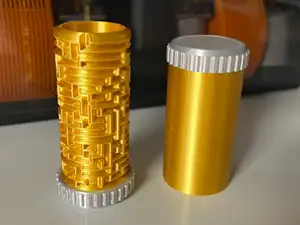



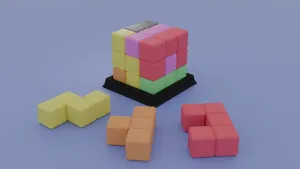

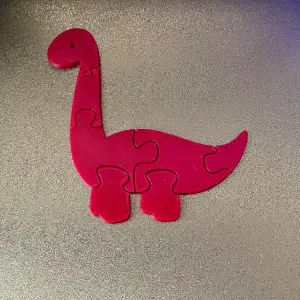
The range runs from single-piece mechanisms that arrive already assembled to multi-part jigsaws that need sorting and gluing. Maze boxes hide a compartment behind a path of walls, while sliding and twisting puzzles rely on clearance between moving surfaces. Jigsaw-style sets are usually the largest in part count and the most dependent on flat, consistent layers.
Before printing, read the author's page for part count, overall size and whether supports are needed. Print-in-place designs demand a well-tuned first layer and a nozzle that handles tight gaps, since a small amount of stringing or elephant-foot can lock the mechanism. Check the material and settings the author lists, and look at photos of real prints to judge how the moving parts sit together.
If the results feel too broad, narrow them with related terms: maze box, sliding puzzle, jigsaw, brain teaser, fidget cube, assembly puzzle, or geometric puzzle. Combining a mechanism word with a theme, such as animal or space, brings up themed sets. Sorting by part count or size also helps when you want a quick print rather than a long build.


Der komplette Themenkatalog – von Wohnen & Haushalt bis CNC, mit Suche auf allen angebundenen Plattformen.