
Gratis 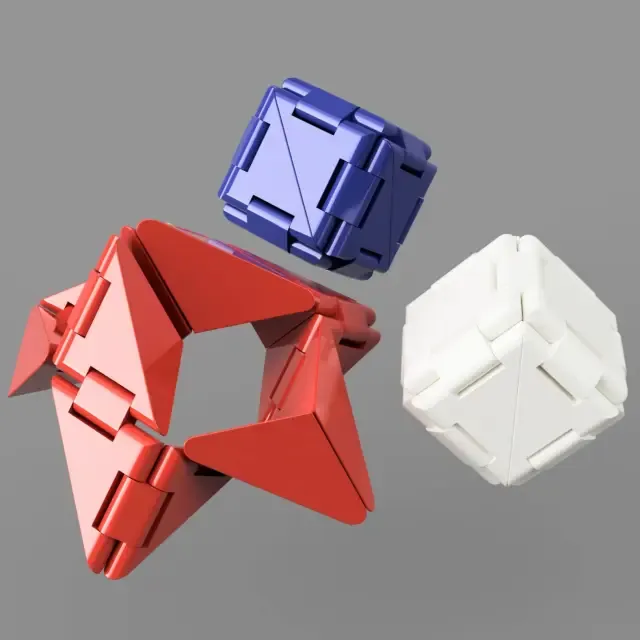
Fidget Puzzle Cube
Creality Cloud
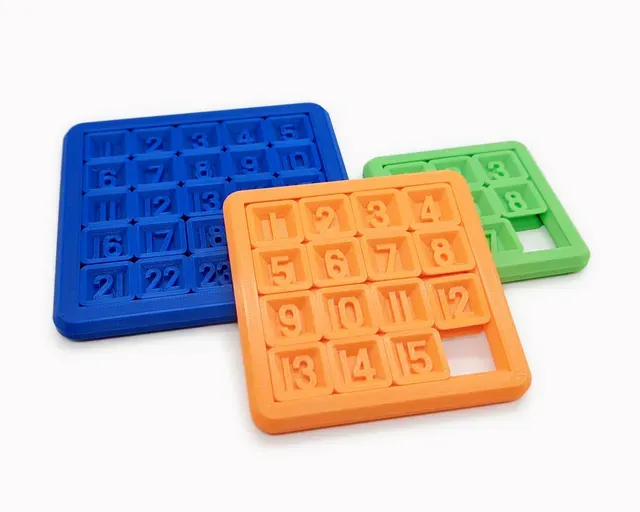
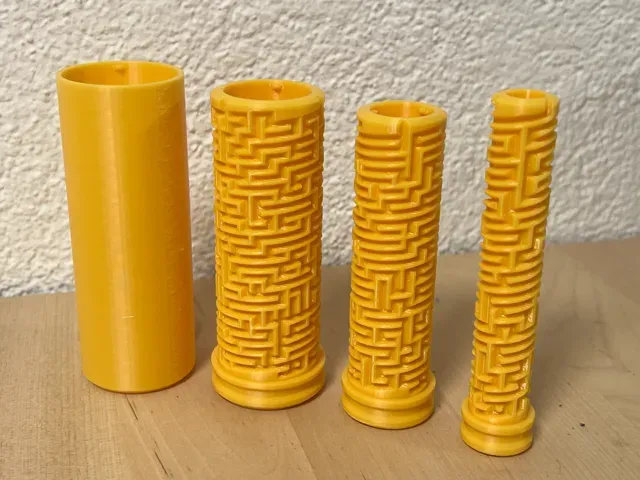
This collection gathers puzzle models made for 3D printing: sliding number cubes, maze boxes, jigsaw sets and small fidget pieces. Most entries are compact enough to sit on a desk, and many are designed as single-piece prints that move right off the plate. If you want a model that keeps your hands busy or works as a small gift, these STL files are a practical starting point. Polyzon does not confirm whether models are free, their price, license, official status, affiliation, safety or fitness. Check the current terms at the source.
Il testo di questa raccolta è in inglese; la ricerca funziona in qualsiasi lingua.
 Una raccolta di Polyzon · 46 modelli da 6 siti
Polyzon compone questa raccolta a partire dai risultati di ricerca dei siti collegati. I doppioni e i modelli senza anteprima vengono rimossi, le corrispondenze deboli finiscono in fondo e il resto mantiene l’ordine dei risultati. I modelli appartengono ai rispettivi autori: verifica le condizioni sulla pagina di ciascun modello.
Criteri di selezione a cura della redazione di Polyzon · Testo aggiornato: 11/10/2026




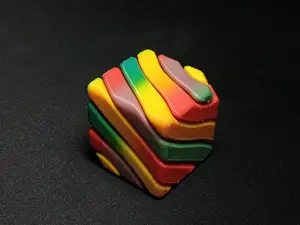

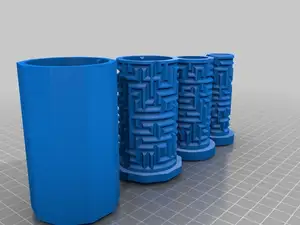
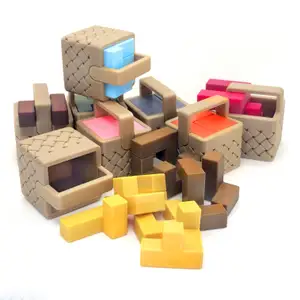


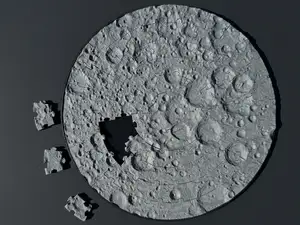
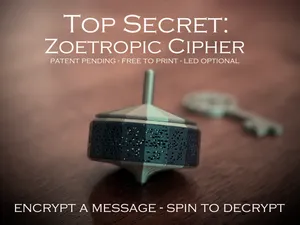
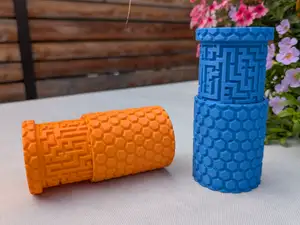
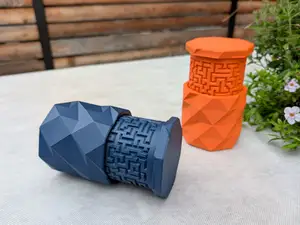
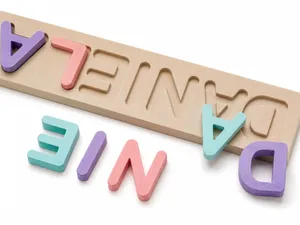
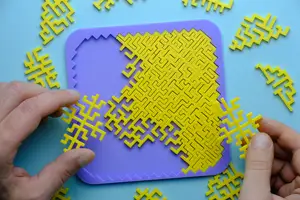


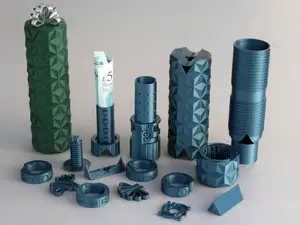


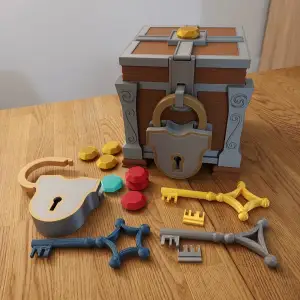


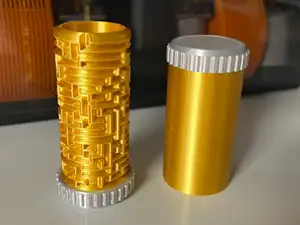


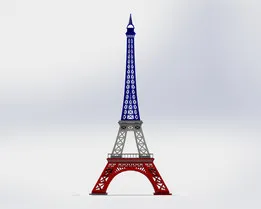

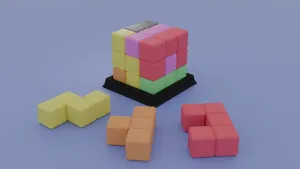

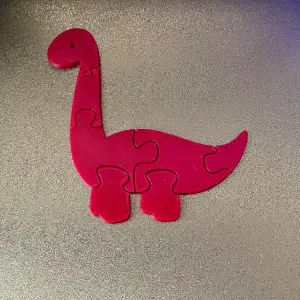
The range runs from single-piece mechanisms that arrive already assembled to multi-part jigsaws that need sorting and gluing. Maze boxes hide a compartment behind a path of walls, while sliding and twisting puzzles rely on clearance between moving surfaces. Jigsaw-style sets are usually the largest in part count and the most dependent on flat, consistent layers.
Before printing, read the author's page for part count, overall size and whether supports are needed. Print-in-place designs demand a well-tuned first layer and a nozzle that handles tight gaps, since a small amount of stringing or elephant-foot can lock the mechanism. Check the material and settings the author lists, and look at photos of real prints to judge how the moving parts sit together.
If the results feel too broad, narrow them with related terms: maze box, sliding puzzle, jigsaw, brain teaser, fidget cube, assembly puzzle, or geometric puzzle. Combining a mechanism word with a theme, such as animal or space, brings up themed sets. Sorting by part count or size also helps when you want a quick print rather than a long build.


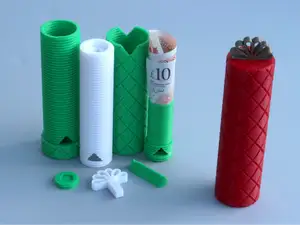
Il catalogo completo dei temi, dalla casa alla lavorazione CNC, con ricerca su tutti i siti collegati.