Kostenlos 
Garden Shovel
Thingiverse
This collection gathers shovel and scoop STL files: garden and planting tools, sand scoops, scale buckets for toy machines and game-inspired props. It is useful when you need a digging tool in a size or shape that is hard to find, or when you want to adapt one to your own 3D printer and material. Polyzon does not confirm whether models are free, their price, license, official status, affiliation, safety or fitness. Check the current terms at the source.
Der Text dieser Sammlung ist auf Englisch verfasst; die Suche selbst funktioniert in jeder Sprache.
 Eine Sammlung von Polyzon · 47 Modelle von 4 Plattformen
Polyzon stellt diese Sammlung aus den Suchergebnissen der angebundenen Plattformen zusammen. Dubletten und Modelle ohne Vorschaubild werden entfernt, schwache Treffer rutschen ans Ende, der Rest bleibt in der Reihenfolge der Suche. Die Modelle gehören ihren Urhebern – die Bedingungen findest du auf der Seite des jeweiligen Modells.
Auswahlregeln: Polyzon-Redaktion · Text aktualisiert: 15.10.2026




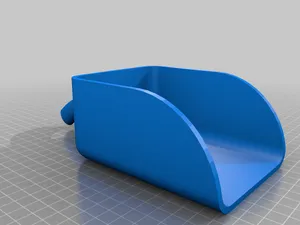
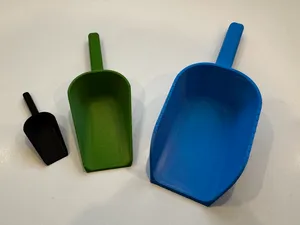
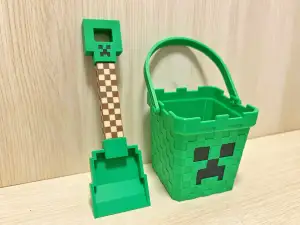

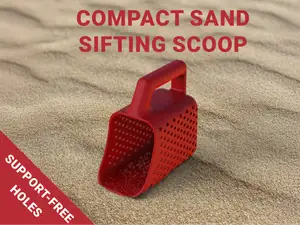
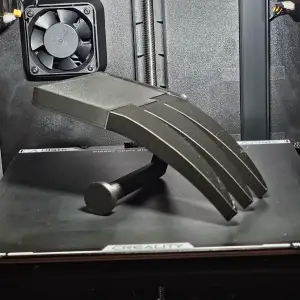

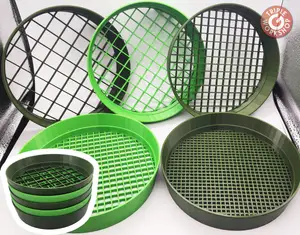
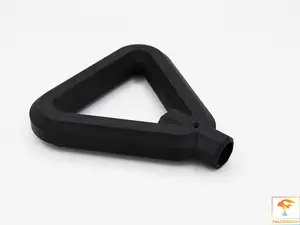


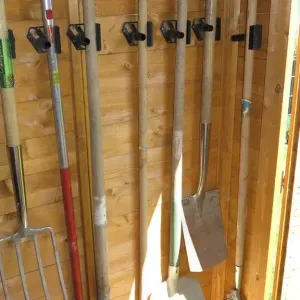

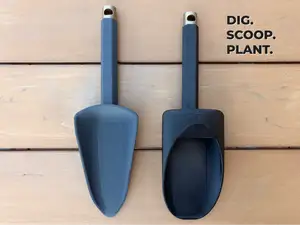


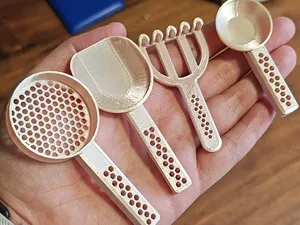
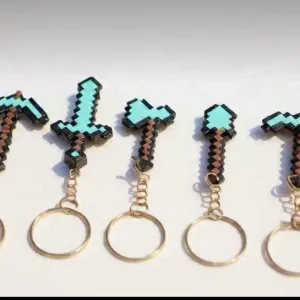

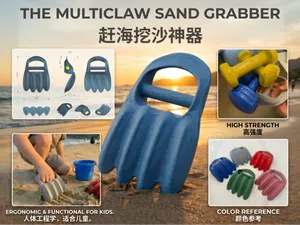
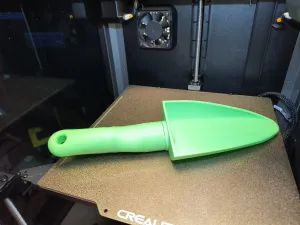

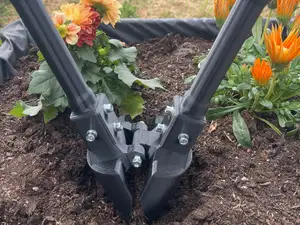
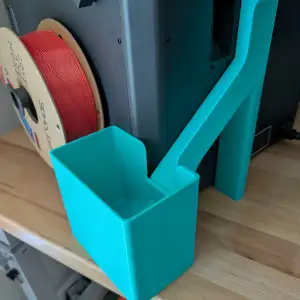

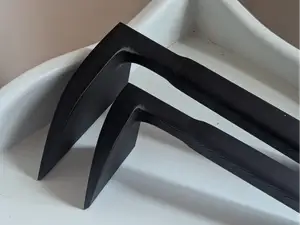
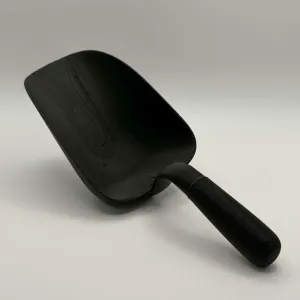

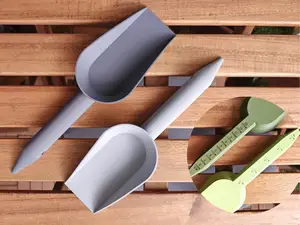




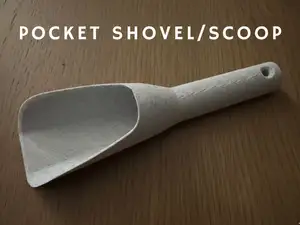
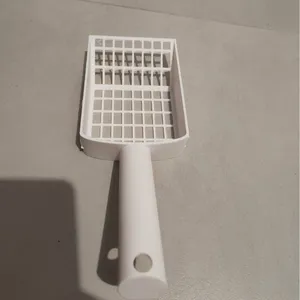

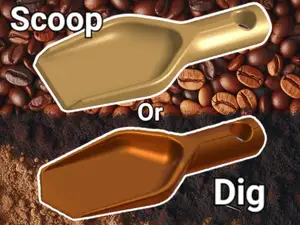
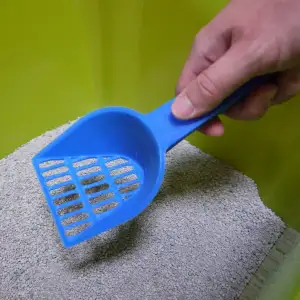
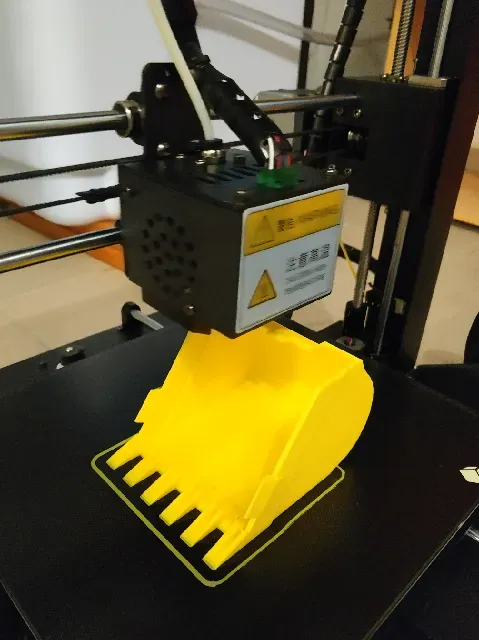
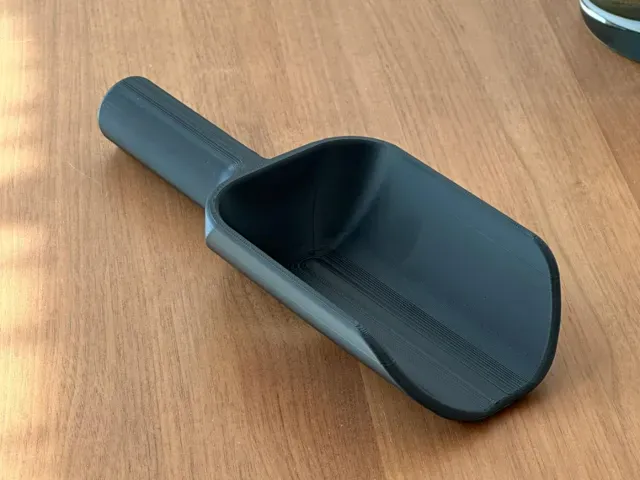
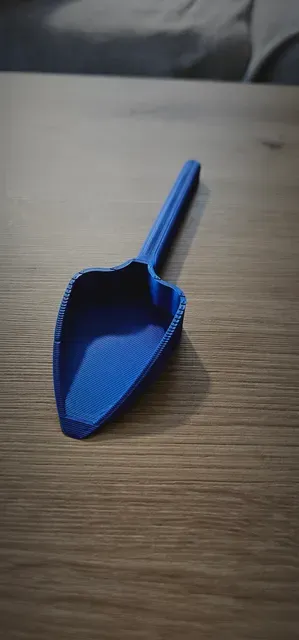
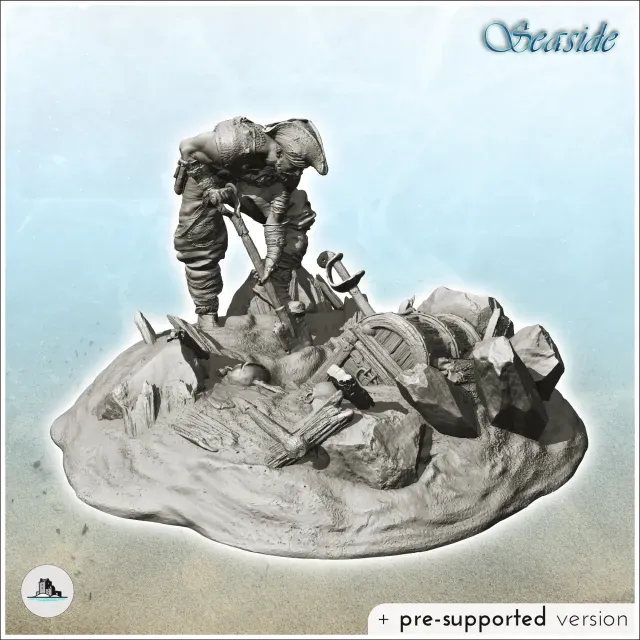
The models differ mostly by purpose. Garden and planting shovels come as full-size tools or small cultivation versions with a narrow blade, while beach scoops often include a sifting grid or a claw shape for digging in loose sand. Scale buckets for toy excavators are modelled to fit a specific machine size, and game-inspired props copy a familiar pickaxe or shovel silhouette.
When choosing a model, look at the blade thickness, the wall count and how the handle joins the blade, since that joint carries most of the load. Check the scale or dimensions in the description, the number of parts and whether assembly or glue is required, and whether the author lists supports. Read the material and settings the author used, and look at photos of real prints to judge surface quality and layer direction.
To widen the results, search for related words such as scoop, spade, trowel, sifter or digging tool, and add a context like garden, beach, sand or excavator. Combining a tool word with a scale or machine name often brings up parts that a single keyword misses, and browsing the author's other models can lead to matching handles or trays.
For printing, orient the blade so that layer lines run across the load rather than along it, and consider a larger nozzle or thicker walls for parts that will be pushed into soil. Small scoops and sifting trays print in one piece, while long handles may need splitting and joining.




Der komplette Themenkatalog – von Wohnen & Haushalt bis CNC, mit Suche auf allen angebundenen Plattformen.