Kostenlos 
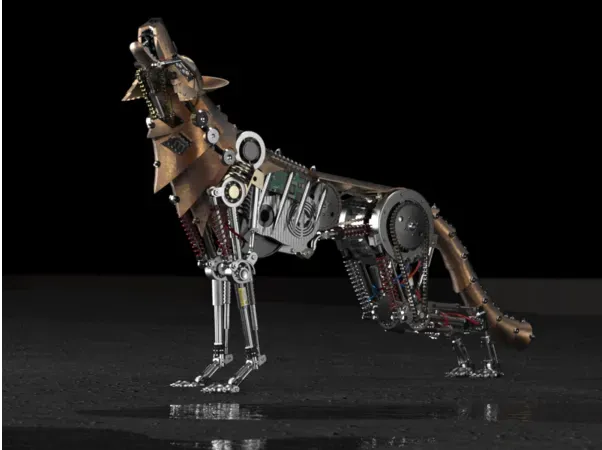
Mechanical Robot Bee
Thingiverse
This collection gathers 3D printing files for mechanical robots: articulated hands and arms, walking automatons, steampunk figures and the gears, bearings and frames that drive them. It is useful when you want a model with moving joints or linkages rather than a static figure. Most entries are STL files meant for a desktop 3D printer, with assembly notes on the author's page. Polyzon does not confirm whether models are free, their price, license, official status, affiliation, safety or fitness. Check the current terms at the source.
Der Text dieser Sammlung ist auf Englisch verfasst; die Suche selbst funktioniert in jeder Sprache.
 Eine Sammlung von Polyzon · 47 Modelle von 4 Plattformen
Polyzon stellt diese Sammlung aus den Suchergebnissen der angebundenen Plattformen zusammen. Dubletten und Modelle ohne Vorschaubild werden entfernt, schwache Treffer rutschen ans Ende, der Rest bleibt in der Reihenfolge der Suche. Die Modelle gehören ihren Urhebern – die Bedingungen findest du auf der Seite des jeweiligen Modells.
Auswahlregeln: Polyzon-Redaktion · Text aktualisiert: 14.10.2026


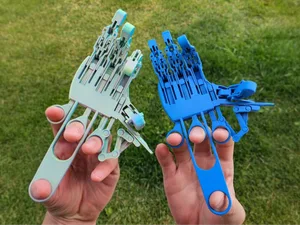


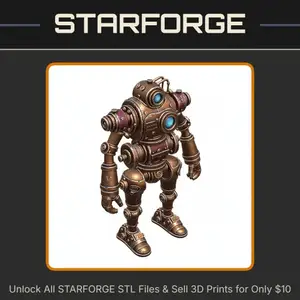
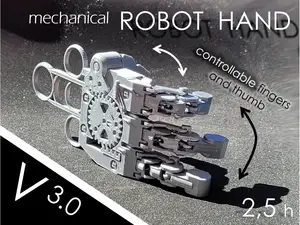


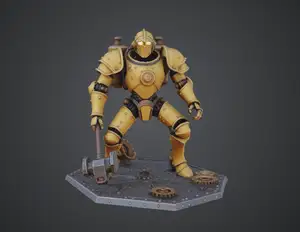
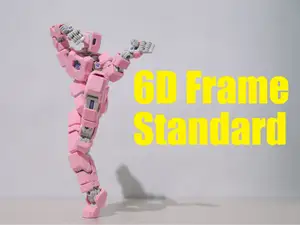


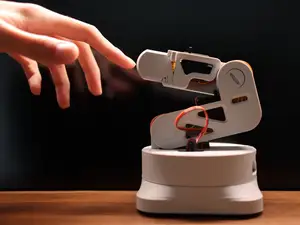


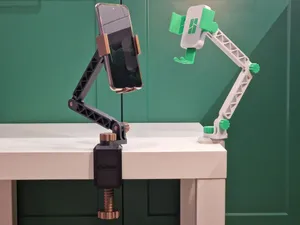


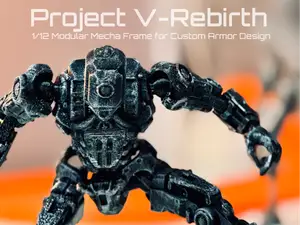


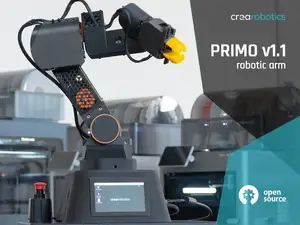


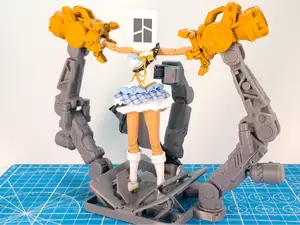


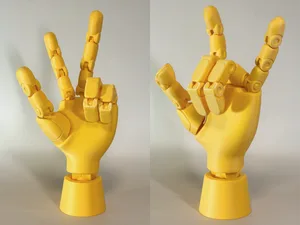


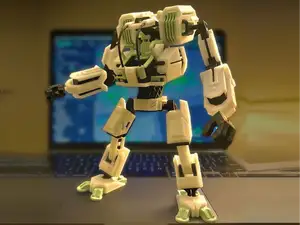


The kinds differ mainly in what moves. Hands and arms rely on finger segments, joints and tendon or servo routing, so their part count is high and assembly is the main task. Walking automatons and clockwork figures depend on leg linkage geometry and balance, and often include a crank or motor mount. Steampunk robots add decorative gears, pipes and plates that are usually printed as separate pieces and glued or pinned together.
When choosing, open the author's page and read the size and scale, the number of parts, and whether supports are needed. For anything that moves, check the stated clearances, pin diameters and tolerances, and whether fasteners, bearings or servos are required. Look at the material and settings the author lists, and at photos of real prints, since wall thickness and orientation affect how joints behave.
To narrow the results, try synonyms such as automaton, articulated hand, exoskeleton arm, clockwork figure or walking toy, and combine them with a scale or purpose. Related searches help too: servo brackets, gearboxes, bearings, printer frames and desk stands appear in the same family of models. If you already have a mechanism in mind, search for the specific part name instead of the general topic.
Mechanical models are usually printed in several parts, so plan the assembly order before starting. Test-fit pins and axles on a small piece first, and keep in mind that scaling a model up or down changes every clearance at once.




Der komplette Themenkatalog – von Wohnen & Haushalt bis CNC, mit Suche auf allen angebundenen Plattformen.