Kostenlos 
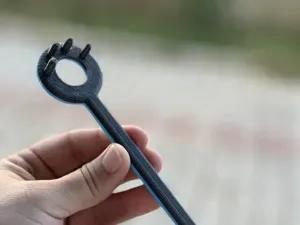
M365 Back Mudguard Bridge
Thingiverse
This collection gathers 3D models that relate to back bridges and bridge shapes in the broadest sense: brackets and replacement parts, model bridges, sci-fi structures and bridging test pieces. It is useful when you need a printable part rather than a drawing, and want to compare how different authors approach the same geometry. Every listing links to an STL or a similar mesh file prepared for 3D printing. Polyzon does not confirm whether models are free, their price, license, official status, affiliation, safety or fitness. Check the current terms at the source.
Der Text dieser Sammlung ist auf Englisch verfasst; die Suche selbst funktioniert in jeder Sprache.
 Eine Sammlung von Polyzon · 46 Modelle von 5 Plattformen
Polyzon stellt diese Sammlung aus den Suchergebnissen der angebundenen Plattformen zusammen. Dubletten und Modelle ohne Vorschaubild werden entfernt, schwache Treffer rutschen ans Ende, der Rest bleibt in der Reihenfolge der Suche. Die Modelle gehören ihren Urhebern – die Bedingungen findest du auf der Seite des jeweiligen Modells.
Auswahlregeln: Polyzon-Redaktion · Text aktualisiert: 15.10.2026


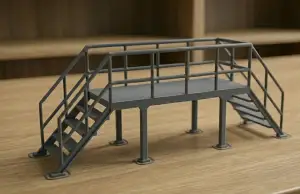


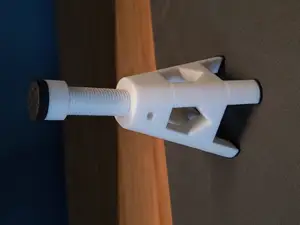
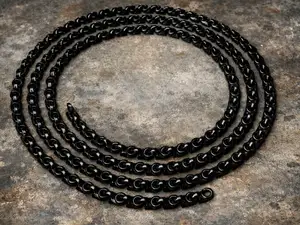
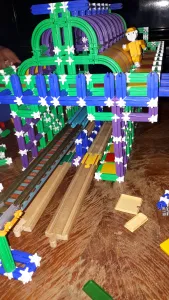


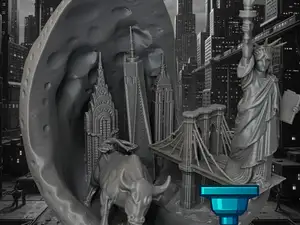
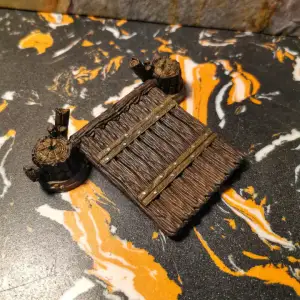


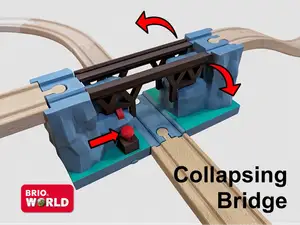
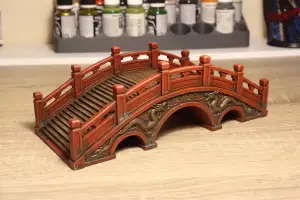


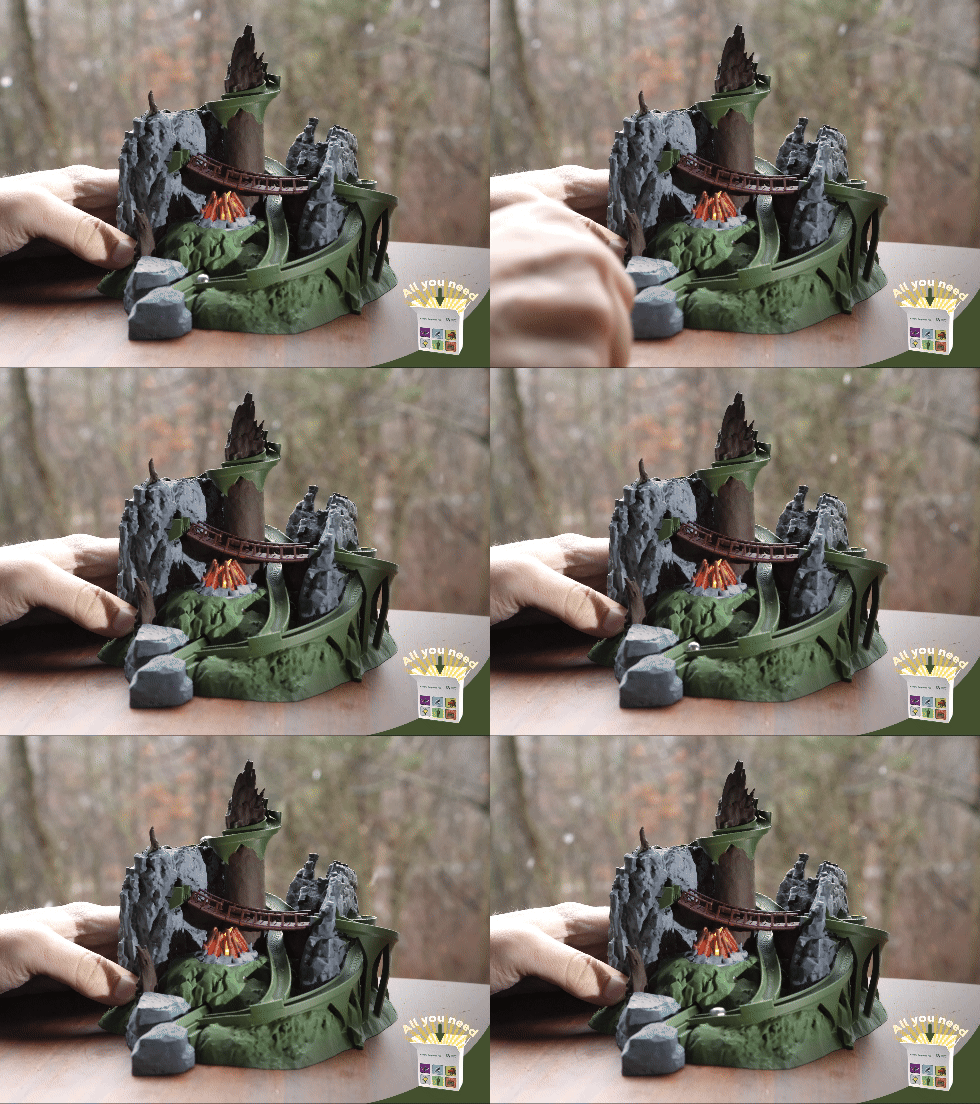
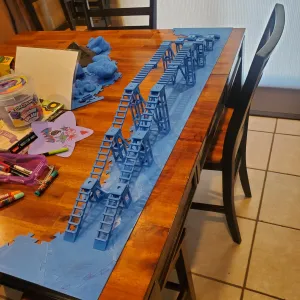


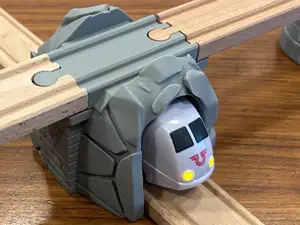
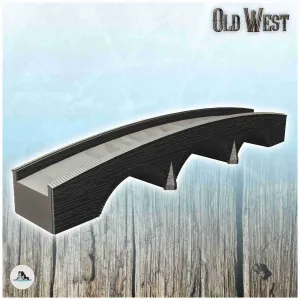


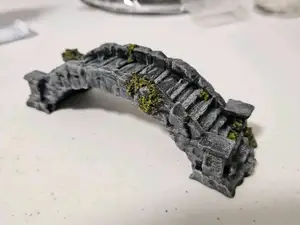
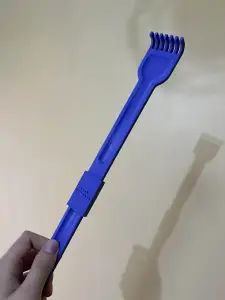


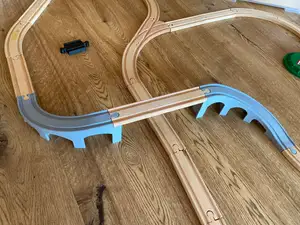
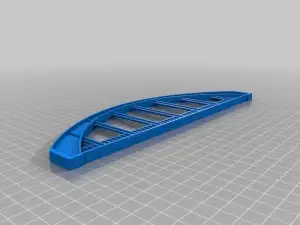


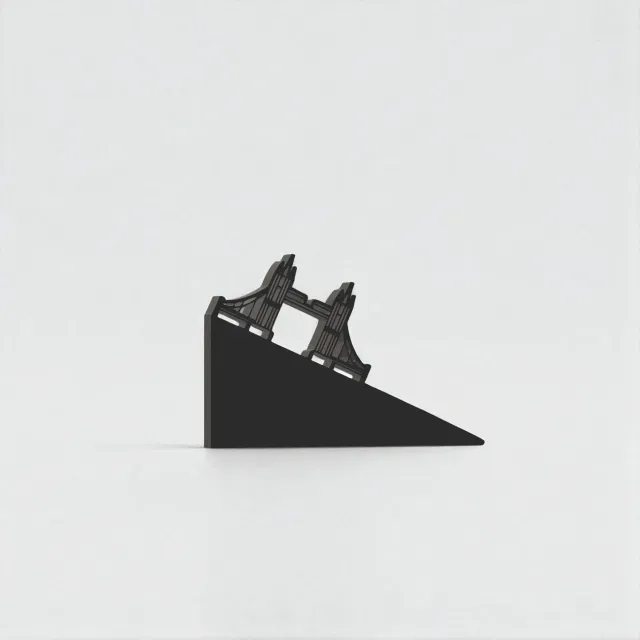
The range is wider than the name suggests. Some entries are functional: brackets, rear covers and damper mounts that replace a broken or missing piece on a scooter, a car dock or a household appliance. Others are scale models — girder, beam and drawbridge designs for railway layouts and brick sets — where the bridge is the subject rather than a structural detail. A third group covers spacecraft, towers and dioramas, and a fourth is made of test prints that deliberately exercise bridging over a gap.
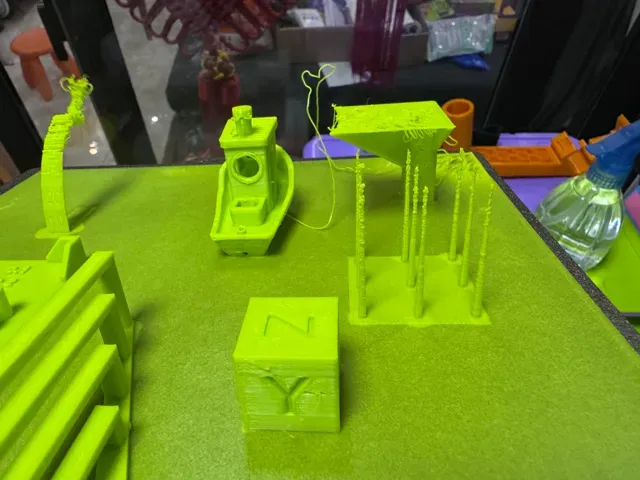
When choosing a model, open the author's page and read what is stated there: overall size and scale, wall thickness at the bridge span, number of separate parts and how they join, and whether the author used supports or printed the span unsupported. Material and settings matter for thin spans — a part that holds in one filament may sag in another. Photos of real prints, rather than renders, show how the underside of a bridge or a curved back piece actually comes out.
If the results feel too narrow, try related wording. "Back bridge" may also be listed as a back arch, back support, spine rest or lumbar piece, while structural parts appear under bracket, mount, rear cover or replacement. For scale work, search by gauge or scale, such as HO, OO or 1:76, and add terms like girder, truss or arch. Bridging tests are usually found under calibration, overhang or test print.




Der komplette Themenkatalog – von Wohnen & Haushalt bis CNC, mit Suche auf allen angebundenen Plattformen.

