
Kostenlos 
Vesuvius Volcano
Thingiverse
The volcano topic splits into two strands: models of cones, craters and islands, and parts built around the Volcano hotend standard. Both are useful for 3D printing, one as a display or gift piece and the other as hardware for a 3D printer. The mix means you should decide early which strand you are shopping in. Polyzon does not confirm whether models are free, their price, license, official status, affiliation, safety or fitness. Check the current terms at the source.
Der Text dieser Sammlung ist auf Englisch verfasst; die Suche selbst funktioniert in jeder Sprache.
 Eine Sammlung von Polyzon · 48 Modelle von 4 Plattformen
Polyzon stellt diese Sammlung aus den Suchergebnissen der angebundenen Plattformen zusammen. Dubletten und Modelle ohne Vorschaubild werden entfernt, schwache Treffer rutschen ans Ende, der Rest bleibt in der Reihenfolge der Suche. Die Modelle gehören ihren Urhebern – die Bedingungen findest du auf der Seite des jeweiligen Modells.
Auswahlregeln: Polyzon-Redaktion · Text aktualisiert: 15.10.2026


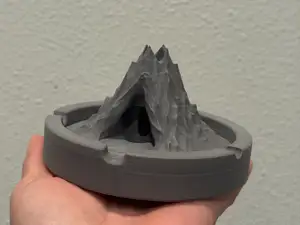


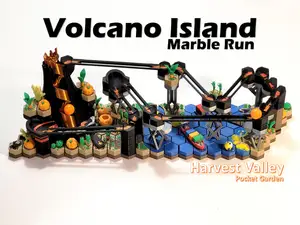


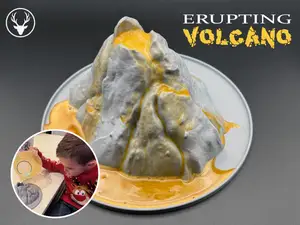


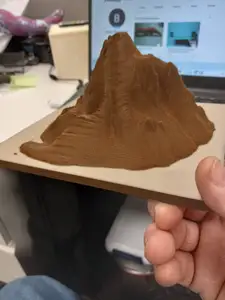
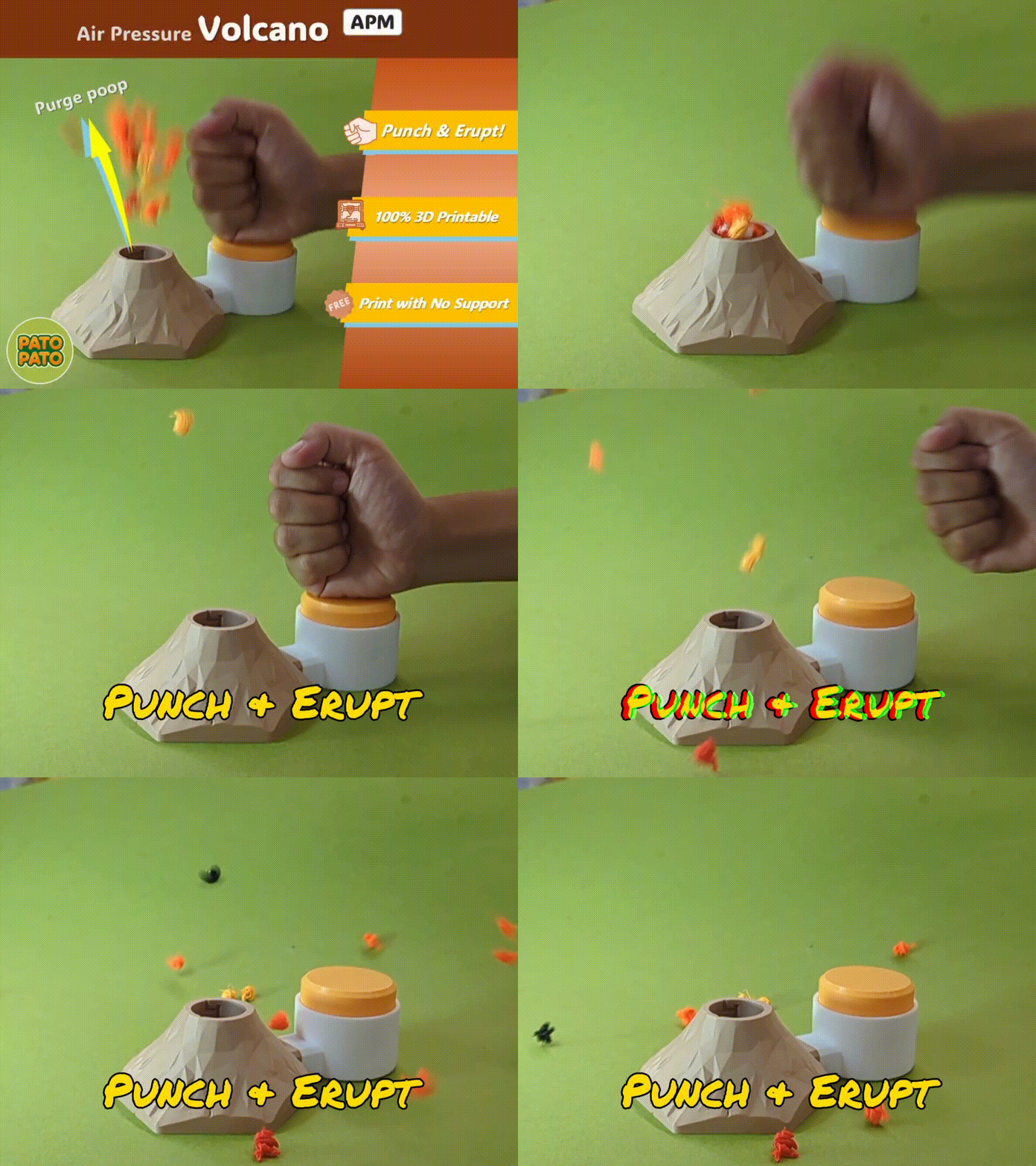


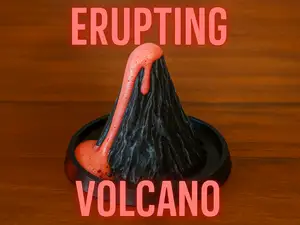


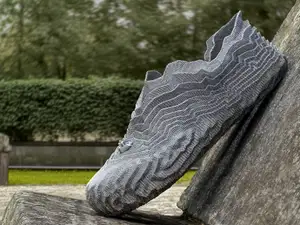


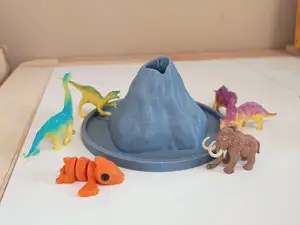


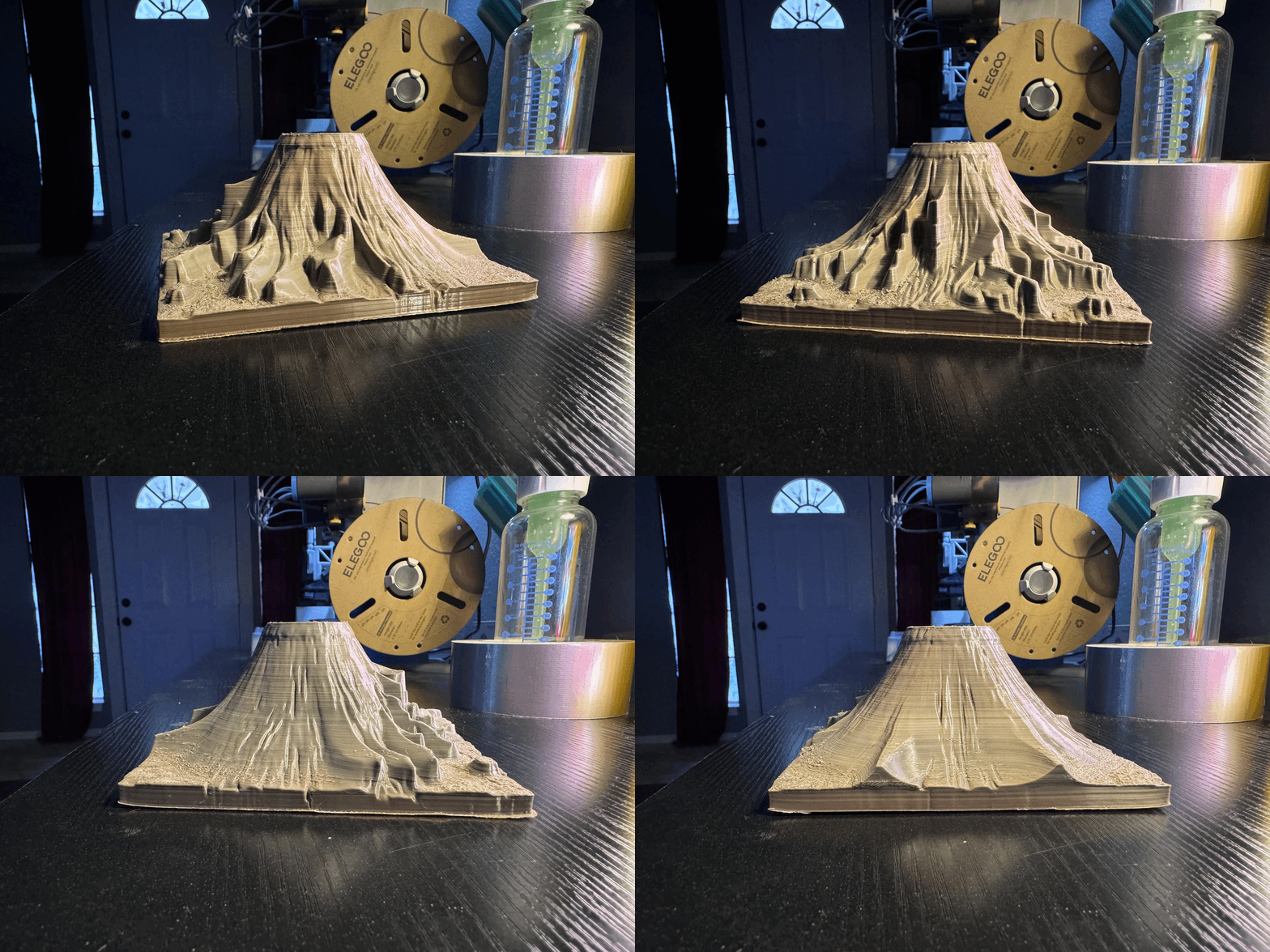


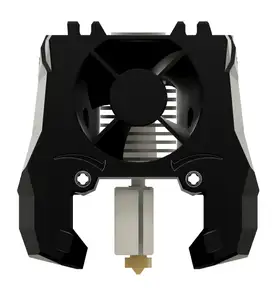
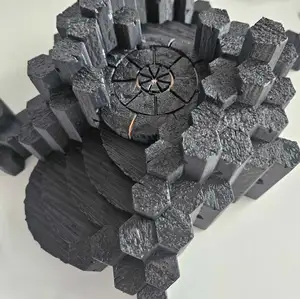


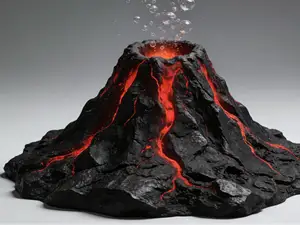
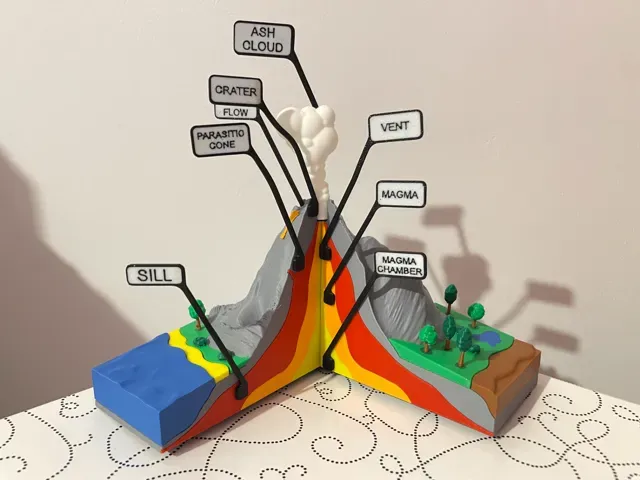
On the model side you find educational cutaways and erupting displays, decorative pieces such as ashtrays and incense holders, island terrain for marble runs, and fantasy figures. These differ mainly in scale and part count: a single-piece cone prints in one go, while an island or a cutaway is usually split into a base, a cone and separate detail parts. The hardware side is different again, made up of fan ducts, hotend mounts and toolhead brackets that follow a specific hotend format.
When choosing, open the author's page and read the listed dimensions, the number of parts and whether supports are required. For display pieces, check whether the model is hollow or solid and how the top opening is shaped, since that affects how much material and time the print takes. For hotend parts, compare the stated hotend and fan sizes with your own setup, and look at photos of real prints to judge wall thickness and fit. The material and settings the author lists are a starting point, not a rule.
Search results are mixed because the same word covers a geological subject and a hardware standard. Try narrower queries such as erupting volcano, crater, lava, island diorama or terrain for the model side, and hotend, fan duct, toolhead or mount together with the hotend name for the hardware side. Adding a printer model or a part size to the query usually separates the two groups quickly. Related terms like lava, magma, caldera and ash are worth trying when a first search returns too few results.


Der komplette Themenkatalog – von Wohnen & Haushalt bis CNC, mit Suche auf allen angebundenen Plattformen.

