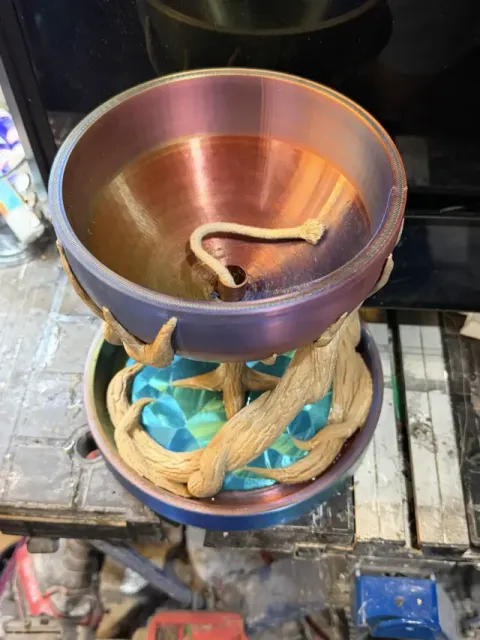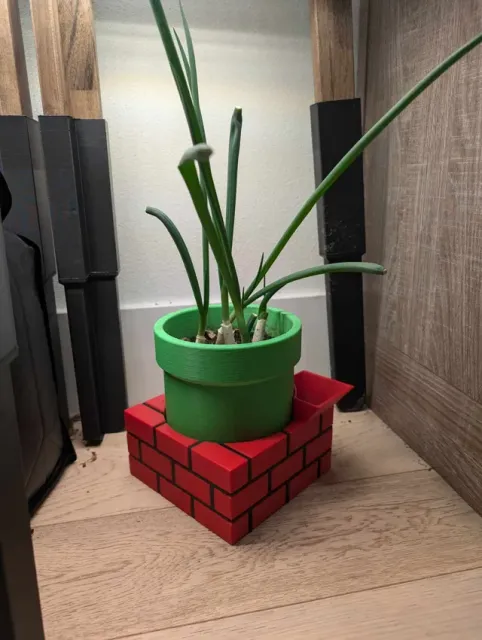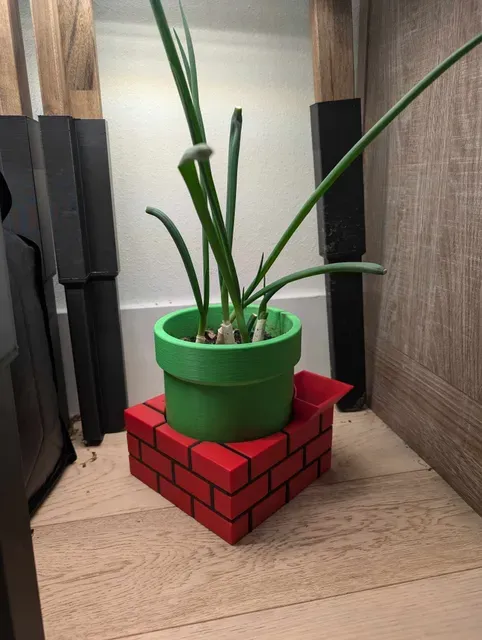

Free 
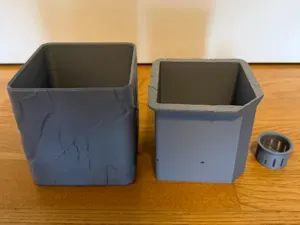
Large- Self Watering Planter (for use with wick)
Thingiverse
This collection gathers 3D models for wick watering planters, seed starters and watering inserts. You can use them to plan a passive watering setup for houseplants or seedlings on a 3D printer. The range covers simple cups, modular reservoirs and add-on parts for existing pots. Polyzon does not confirm whether models are free, their price, license, official status, affiliation, safety or fitness. Check the current terms at the source.
 A Polyzon collection · 48 models from 5 platforms
Polyzon assembles this collection from search results on the connected platforms. Repeats and models without a preview are removed, weak matches go to the end, and the rest keeps the search order. Models belong to their authors — check the terms on each model's page.
Selection rules: the Polyzon editorial team · Text updated 2026-10-13


%2Fhttps%3A%2F%2Ffbi.cults3d.com%2Fuploaders%2F39478755%2Fillustration-file%2F2ea298fb-88ac-4358-9512-72148e0cf0eb%2Fphoto_2_2026-10-10_11-41-19.jpg&w=300)
%2Fhttps%3A%2F%2Ffbi.cults3d.com%2Fuploaders%2F14516825%2Fillustration-file%2F7c682f8f-c65e-4f24-b692-5aad4bc44f1d%2F01_planter_set_1.png&w=300)
%2Fhttps%3A%2F%2Ffbi.cults3d.com%2Fuploaders%2F51701693%2Fillustration-file%2F3f74ebe6-8222-4ca8-ac35-33e14cd93340%2Fimg1.jpg&w=300)





%2Fhttps%3A%2F%2Ffbi.cults3d.com%2Fuploaders%2F3885337%2Fillustration-file%2F5ab786b6-3dbd-4dcc-9f8a-19cd00a8a8df%2FIMG_8718_1024x1024.jpg&w=300)




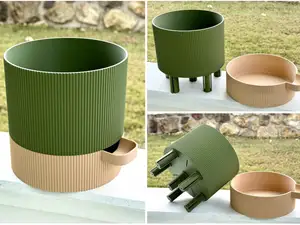
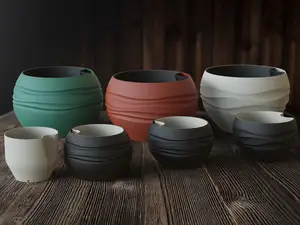

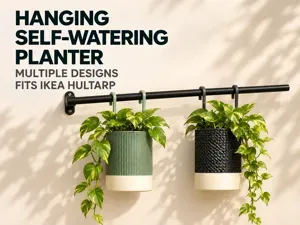

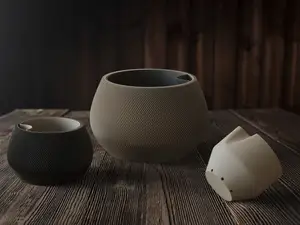
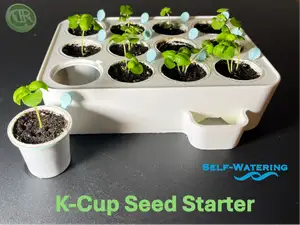
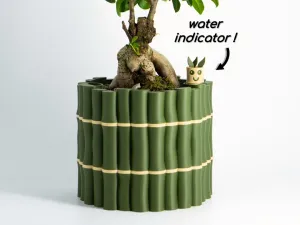
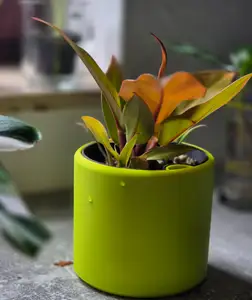

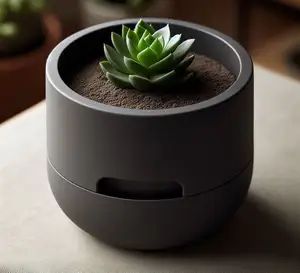
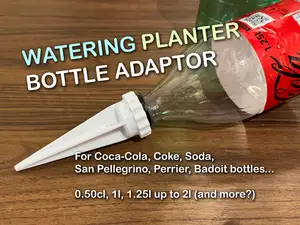
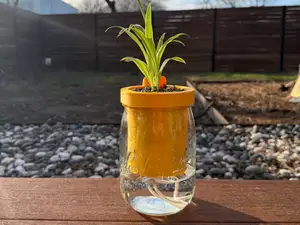
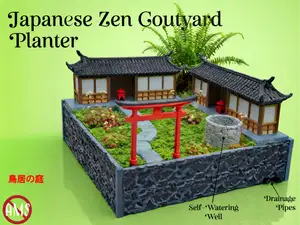

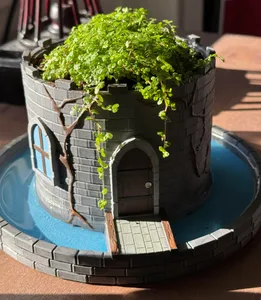
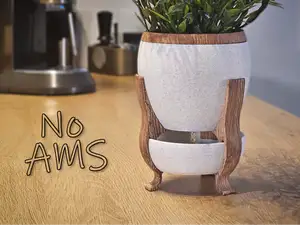
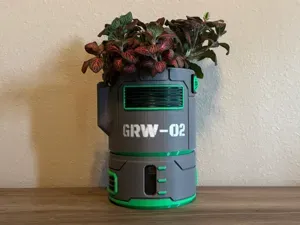
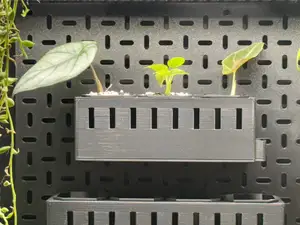

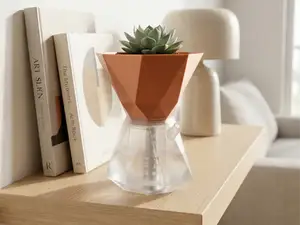
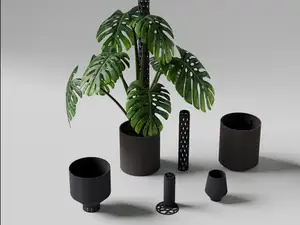

Wick watering designs usually fall into a few groups: inserts that sit inside an existing pot, complete planters with a built-in reservoir, seed starter cups, and modular systems that connect several containers. Some rely on a wick or cord to move water upward, while others use a gravity-fed or water tower arrangement. The main differences are the reservoir volume, the way the wick is held, and whether the pot is printed as one piece or assembled from several parts.
When choosing a model, look at the dimensions and scale, the number of parts, and how the wick channel is designed. Check the author's notes for the material and settings they list, and look at photos of real prints to see how the water level and overflow are handled. A clear water level indicator or an accessible fill opening can make a planter easier to maintain.
To refine the search, try synonyms such as self-watering planter, wicking pot, wick irrigation, passive hydroponic insert, or seed starter cup. Related terms include reservoir planter, watering insert, capillary mat, and modular planter system. Adding the plant type or pot size to the query can narrow results further.
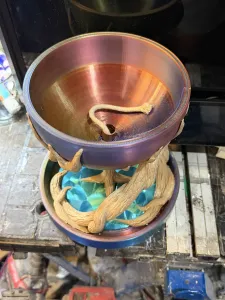


The full catalog of topics — from home & household to CNC, searchable across the connected sources.