Free 
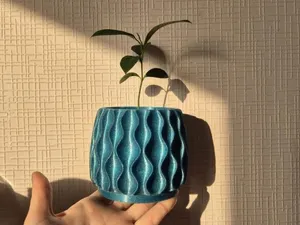
Self-Watering Flowerpot Large Remake
Thingiverse
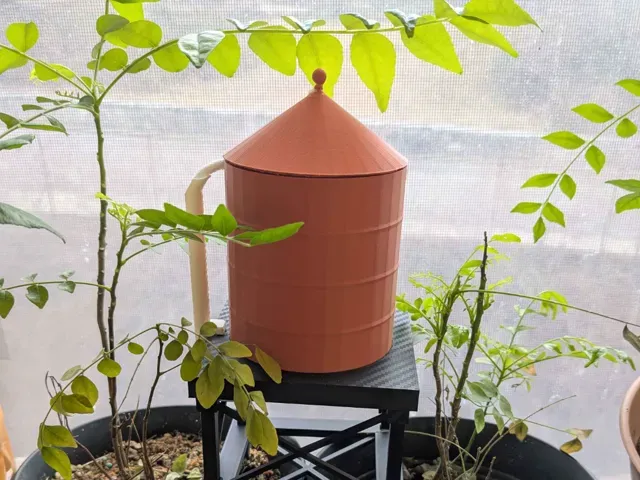
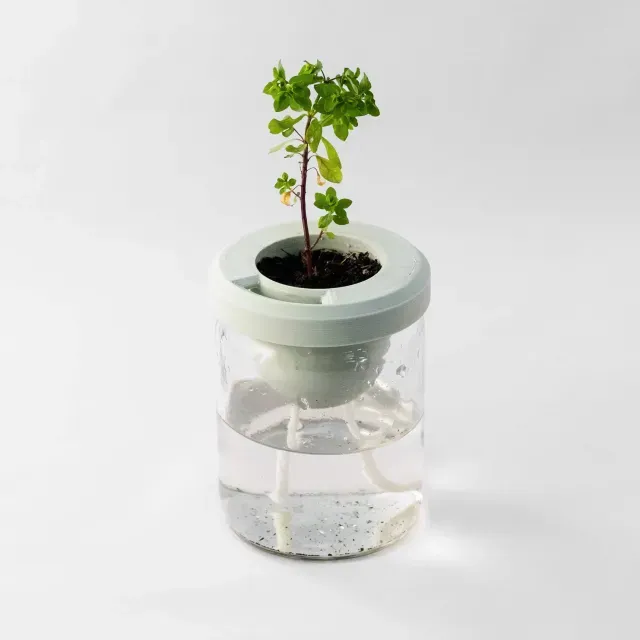
This collection brings together 3D models for planters that pair a wavy outer shape with wick-based watering. Files range from a single pot with an inner reservoir to multi-part sets with separate inserts and level indicators. It helps if you want to print a container that keeps soil moisture between waterings. Polyzon does not confirm whether models are free, their price, license, official status, affiliation, safety or fitness. Check the current terms at the source.
 A Polyzon collection · 41 models from 3 platforms
Polyzon assembles this collection from search results on the connected platforms. Repeats and models without a preview are removed, weak matches go to the end, and the rest keeps the search order. Models belong to their authors — check the terms on each model's page.
Selection rules: the Polyzon editorial team · Text updated 2026-10-14
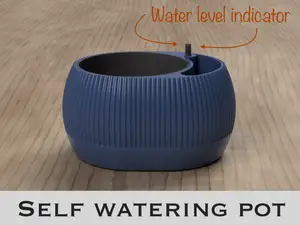
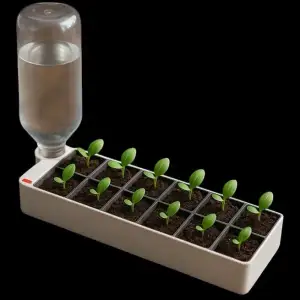
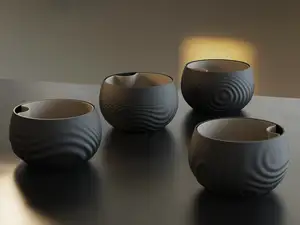
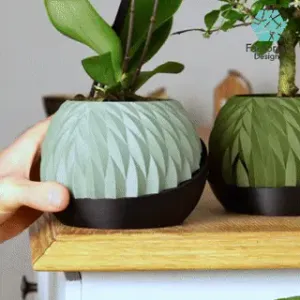
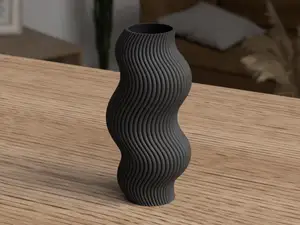
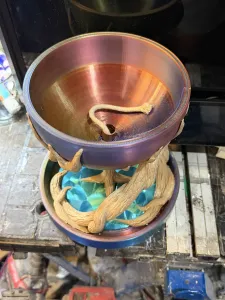
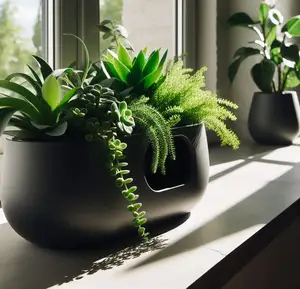
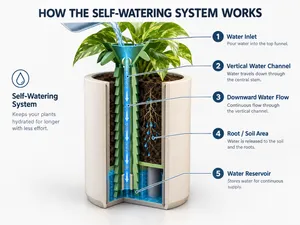

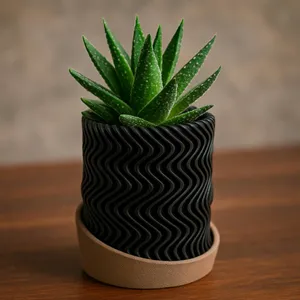
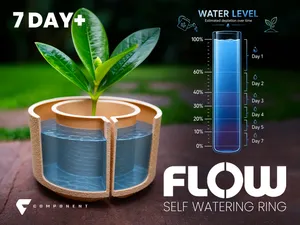
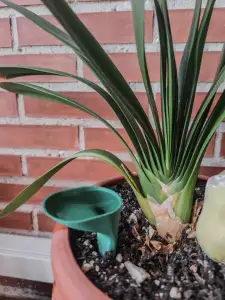
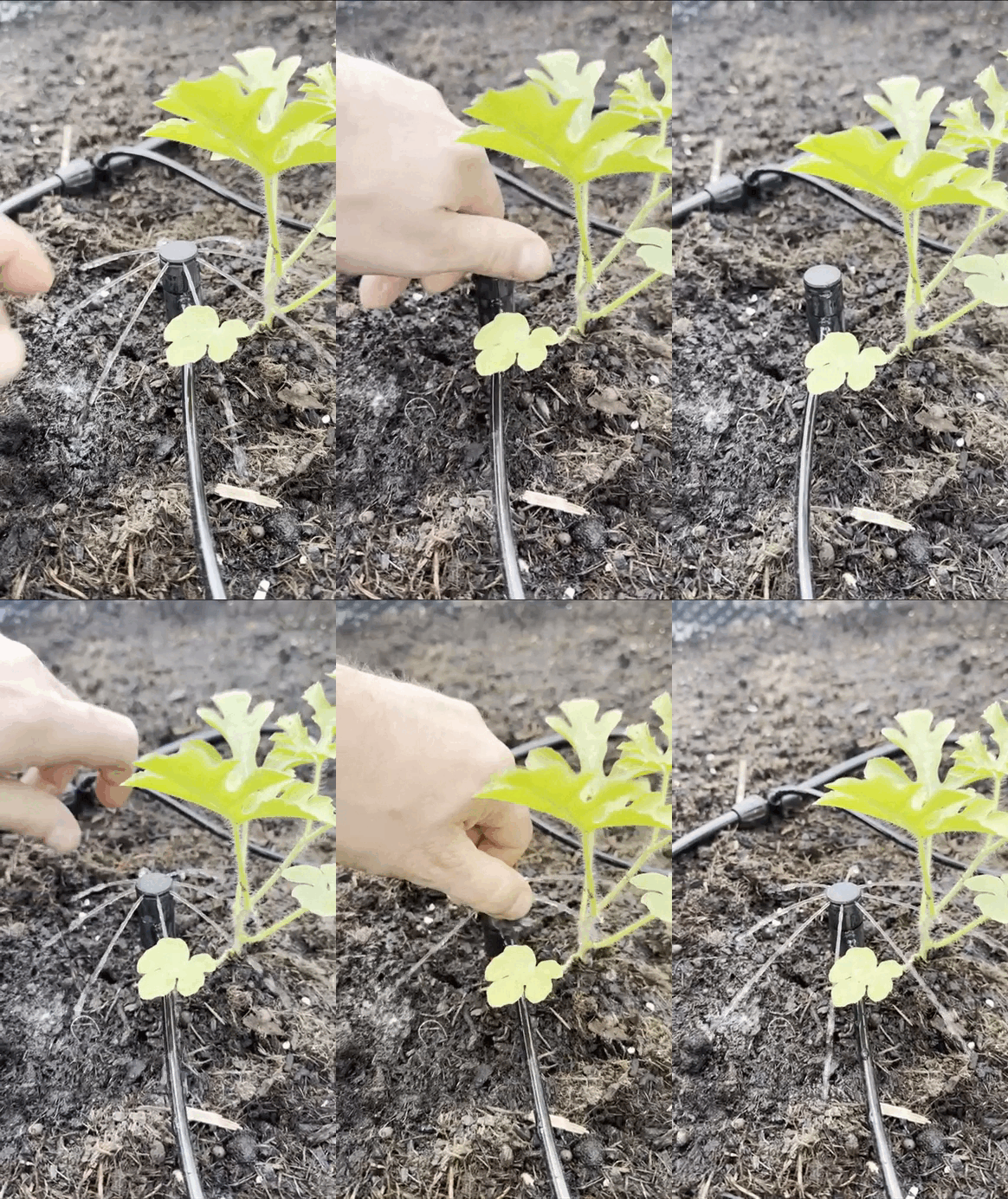

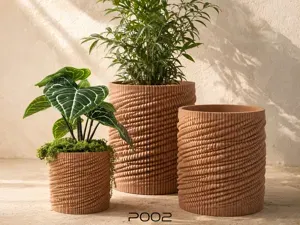
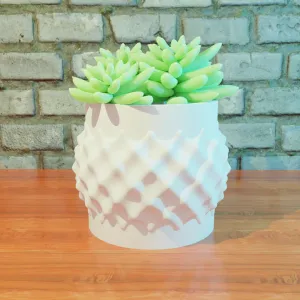

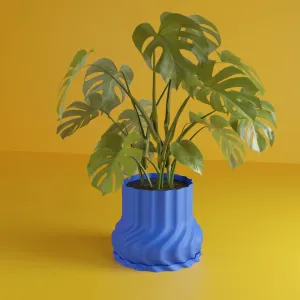
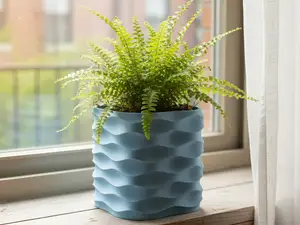
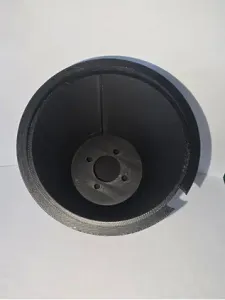

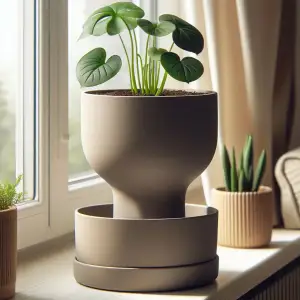
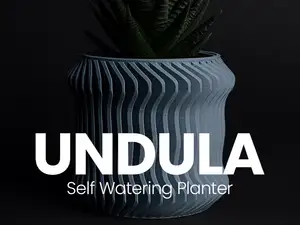
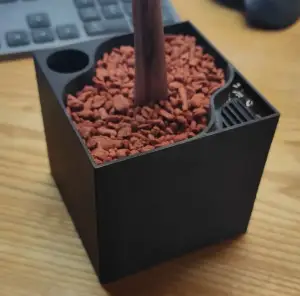
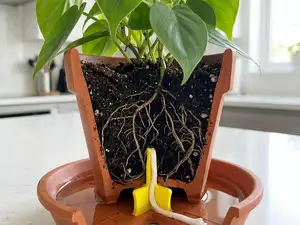
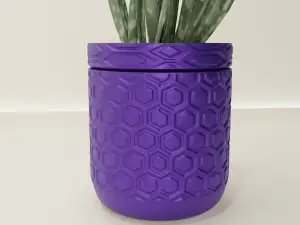

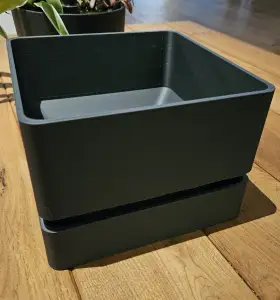
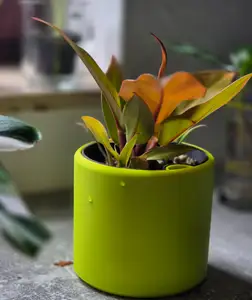

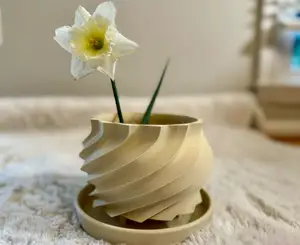
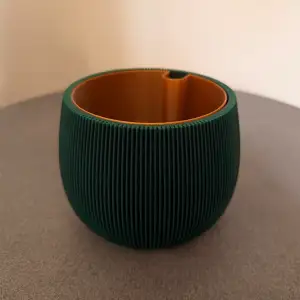
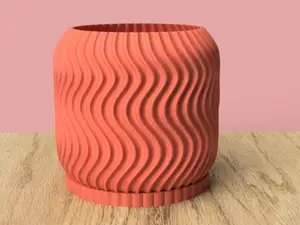
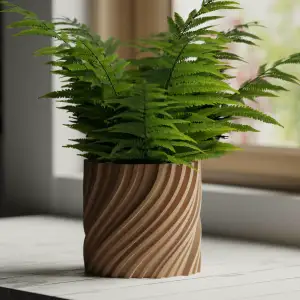
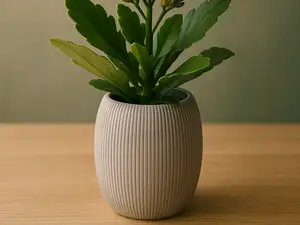
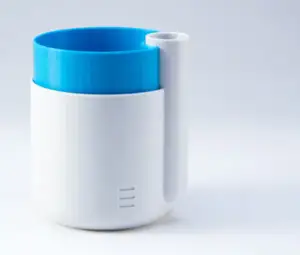

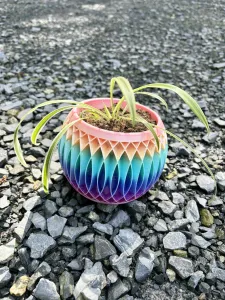
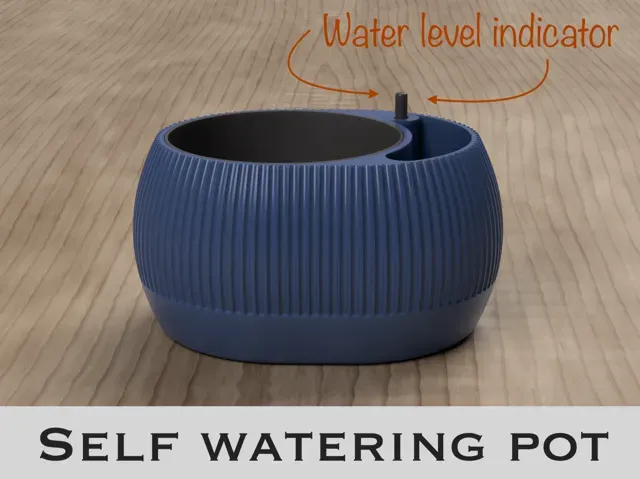
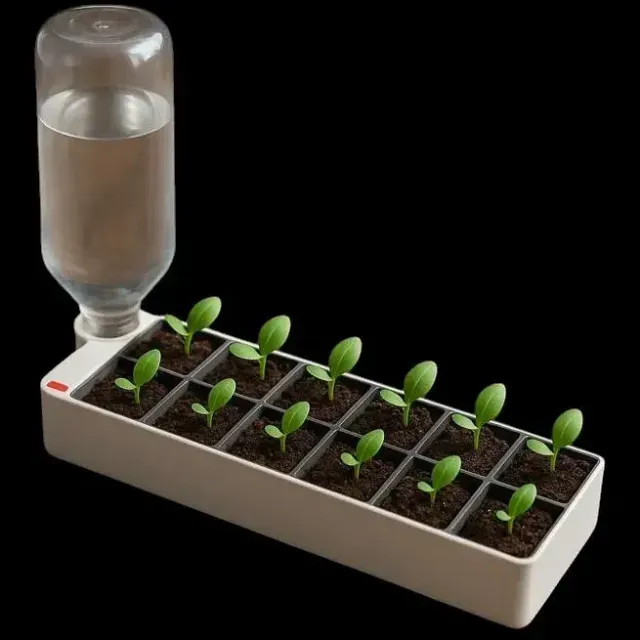
The models differ mainly in how the water is stored and delivered. Some use a wick that draws water up from a reservoir below the soil, others add a visible level indicator or a drip tray, and a few are built as a set of pots sharing one watering base. Wavy and sculptural shells appear both as simple vases and as full planters with an inner basket.
Before printing, open the author's model page and read the listed dimensions, wall thickness and number of parts. Check whether the model needs supports, how the reservoir and the soil basket fit together, and which material and settings the author names. Photos of real prints are the quickest way to judge how the wavy surface and the inner cavity come out on a filament 3D printer.
If the results feel narrow, try related wording: self-watering planter, wick irrigation, sub-irrigation pot, cachepot, water level indicator, drip tray, or vacation watering. Searching for wavy vase, sculptural planter or geometric pot can surface shapes that work with an added wick insert. Combining a shape term with a watering term usually narrows the list faster than either word alone.

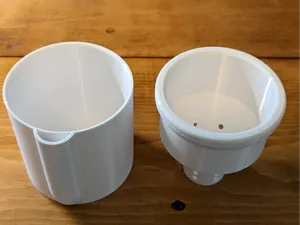


The full catalog of topics — from home & household to CNC, searchable across the connected sources.