
Free 
big codex lock scroll tube
Thingiverse
This collection gathers 3D printing models that treat documents as something to hide, carry or stamp: puzzle boxes with concealed compartments, scroll tubes and folders, prop briefcases, and card deck boxes. It is useful when you want a functional STL object rather than a display piece, or a prop that reads as classified at a glance. Most files are small enough for a standard 3D printer, though the moving parts reward careful tuning. Polyzon does not confirm whether models are free, their price, license, official status, affiliation, safety or fitness. Check the current terms at the source.
 A Polyzon collection · 48 models from 3 platforms
Polyzon assembles this collection from search results on the connected platforms. Repeats and models without a preview are removed, weak matches go to the end, and the rest keeps the search order. Models belong to their authors — check the terms on each model's page.
Selection rules: the Polyzon editorial team · Text updated 2026-10-14






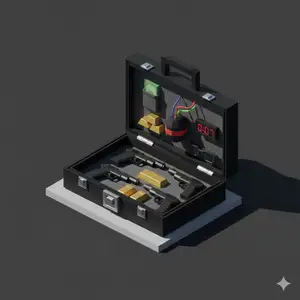

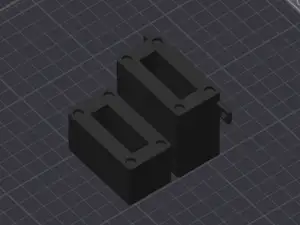


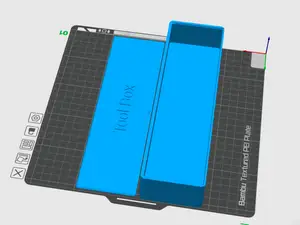

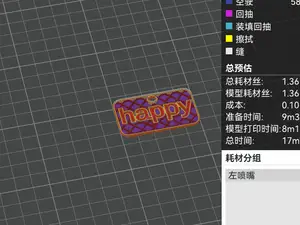

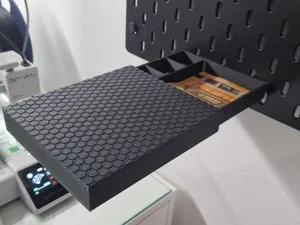


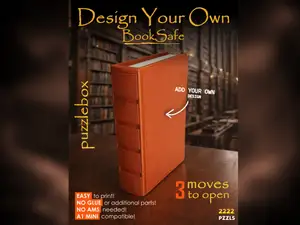


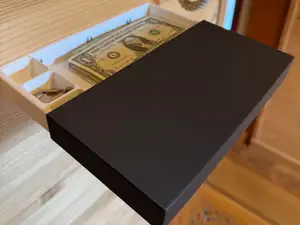

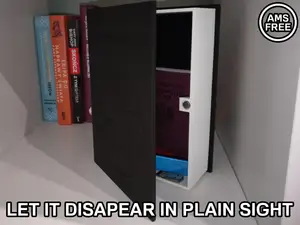

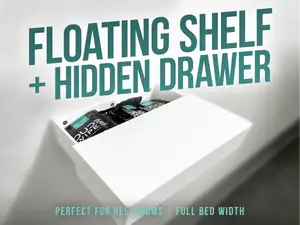


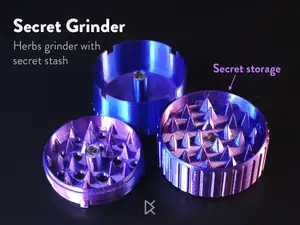


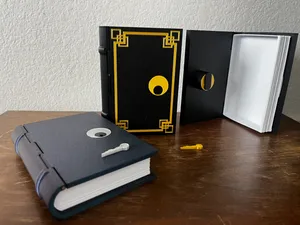


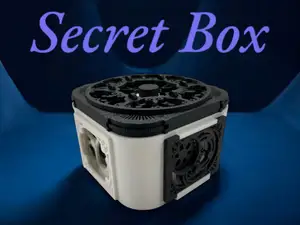
The models fall into a few recognisable groups. Concealed-compartment boxes use sliding panels, rotating lids or interlocking walls, so the print is really an assembly problem. Document tubes and folders are simpler shells sized around paper or rolled sheets, while stamps and prop briefcases lean toward surface detail and lettering. Deck boxes sit between the two: a container with a lid that has to close cleanly and hold a stack of cards without rattling.
When choosing a file, look at what the author states on the model page. Check the outer dimensions and scale first, then the number of separate parts and how they join, and whether the geometry needs supports. For anything with sliding or snapping elements, the clearance between parts matters more than the shape, so read the material and slicer settings the author lists and compare them with photos of real prints. Thin walls and small pins are the usual failure points.
Search results improve when you vary the wording. Terms like hidden compartment, stash box, puzzle box, scroll tube, document holder, prop folder, classified stamp or card deck box describe overlapping ideas, and adding a material or printer term narrows the list further. Related topics such as spy gadgets, escape-room props, desk organisers and trading-card storage often surface models that the obvious phrase misses.
If a model is meant to hold real paper, measure your sheets or cards before printing and scale the shell accordingly. For puzzle boxes, print a test of the lid or latch first, since a fraction of a millimetre changes whether it slides or jams. Prop items are more forgiving: surface finish, layer height and paint decide how convincing they look.


The full catalog of topics — from home & household to CNC, searchable across the connected sources.