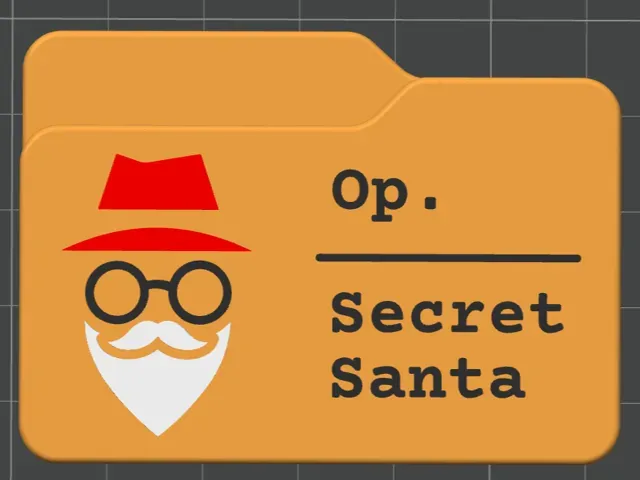

免费 
big codex lock scroll tube
Thingiverse
This collection gathers 3D printing models that treat documents as something to hide, carry or stamp: puzzle boxes with concealed compartments, scroll tubes and folders, prop briefcases, and card deck boxes. It is useful when you want a functional STL object rather than a display piece, or a prop that reads as classified at a glance. Most files are small enough for a standard 3D printer, though the moving parts reward careful tuning. Polyzon does not confirm whether models are free, their price, license, official status, affiliation, safety or fitness. Check the current terms at the source.
本合集的文字为英文,搜索本身支持任何语言。
 Polyzon合集 · 48个模型 来自3个平台
此合集由Polyzon根据已接入平台的搜索结果整理而成:去除重复项和没有预览图的模型,匹配度低的排在最后,其余按搜索结果顺序排列。模型归作者所有——请在各模型页面查看使用条款。
筛选规则:Polyzon编辑部 · 文字更新于2026年10月14日




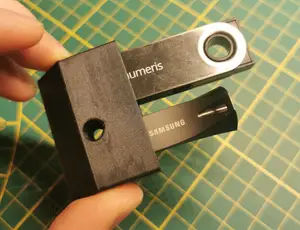


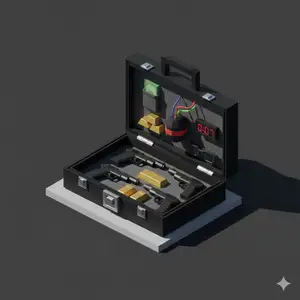

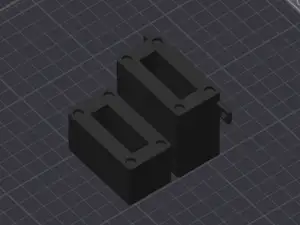


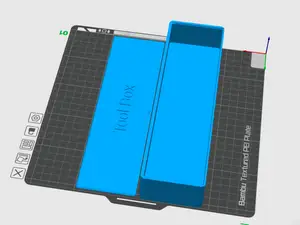

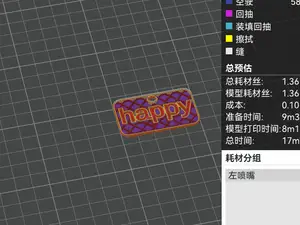

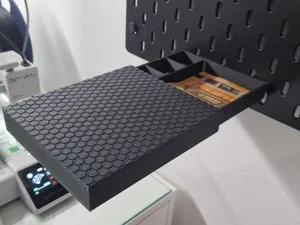


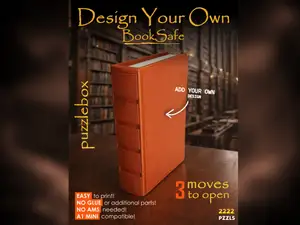


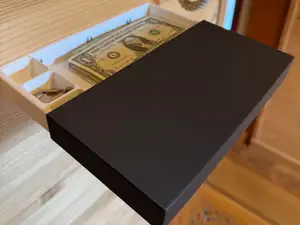

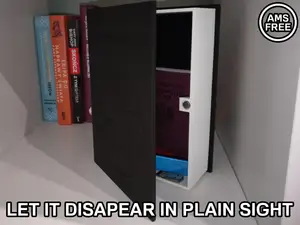

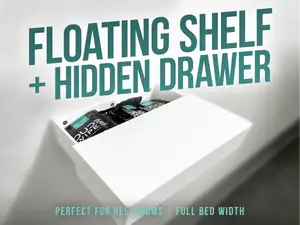


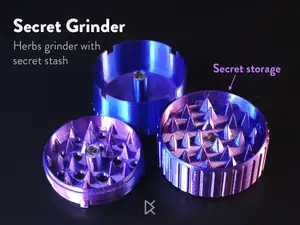


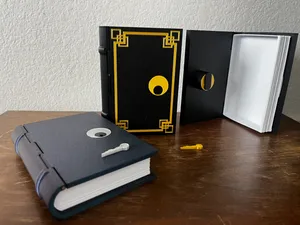


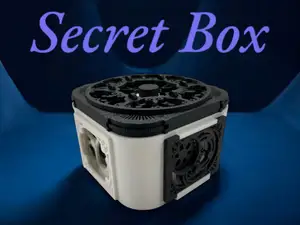
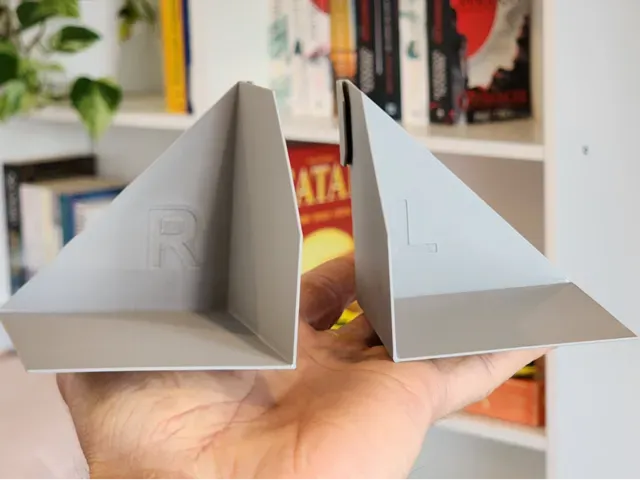
The models fall into a few recognisable groups. Concealed-compartment boxes use sliding panels, rotating lids or interlocking walls, so the print is really an assembly problem. Document tubes and folders are simpler shells sized around paper or rolled sheets, while stamps and prop briefcases lean toward surface detail and lettering. Deck boxes sit between the two: a container with a lid that has to close cleanly and hold a stack of cards without rattling.
When choosing a file, look at what the author states on the model page. Check the outer dimensions and scale first, then the number of separate parts and how they join, and whether the geometry needs supports. For anything with sliding or snapping elements, the clearance between parts matters more than the shape, so read the material and slicer settings the author lists and compare them with photos of real prints. Thin walls and small pins are the usual failure points.
Search results improve when you vary the wording. Terms like hidden compartment, stash box, puzzle box, scroll tube, document holder, prop folder, classified stamp or card deck box describe overlapping ideas, and adding a material or printer term narrows the list further. Related topics such as spy gadgets, escape-room props, desk organisers and trading-card storage often surface models that the obvious phrase misses.
If a model is meant to hold real paper, measure your sheets or cards before printing and scale the shell accordingly. For puzzle boxes, print a test of the lid or latch first, since a fraction of a millimetre changes whether it slides or jams. Prop items are more forgiving: surface finish, layer height and paint decide how convincing they look.


完整的主题目录:从家居日用到CNC,均可在已接入的来源平台中搜索。