Free 
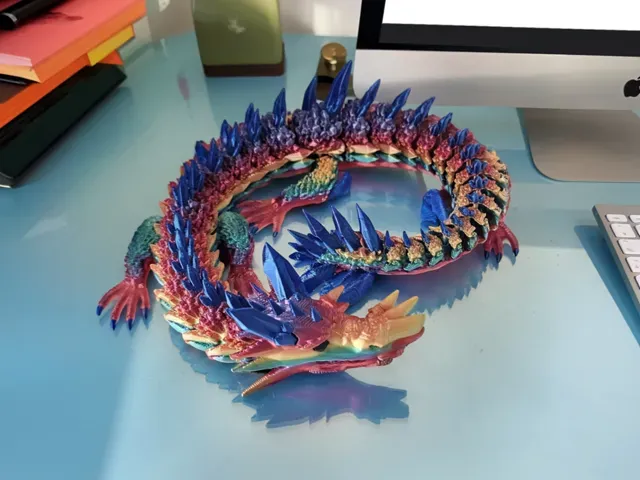
Articulated Crystal Dragon Free To Sell (read desc)
Thingiverse
This collection gathers moving dragon 3D models, including articulated bodies, flexi chain-like forms, and heads with separate jaws. You can compare how each design achieves motion and what an STL file includes before opening it in a slicer. It helps narrow a broad topic to the type of movement you want to print. Polyzon does not confirm whether models are free, their price, license, official status, affiliation, safety or fitness. Check the current terms at the source.
 A Polyzon collection · 47 models from 4 platforms
Polyzon assembles this collection from search results on the connected platforms. Repeats and models without a preview are removed, weak matches go to the end, and the rest keeps the search order. Models belong to their authors — check the terms on each model's page.
Selection rules: the Polyzon editorial team · Text updated 2026-10-15
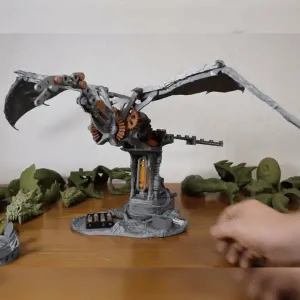

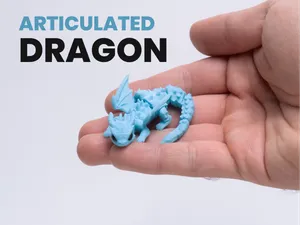
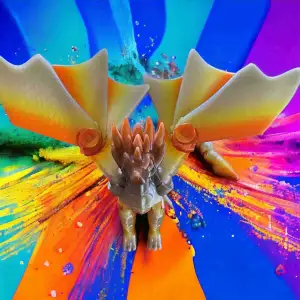

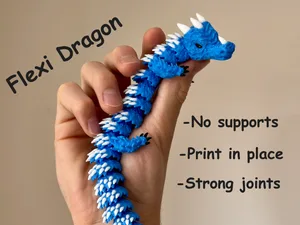
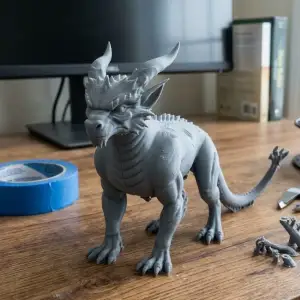

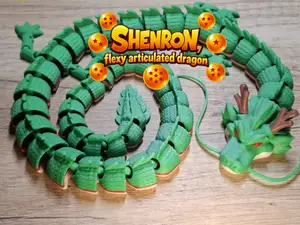


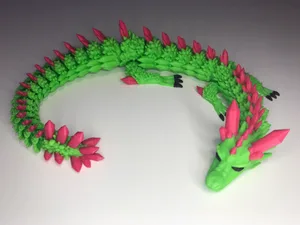
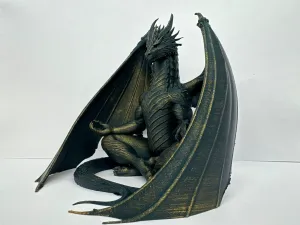


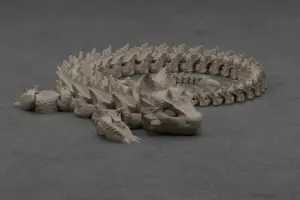

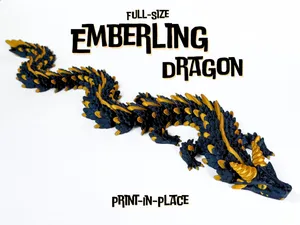
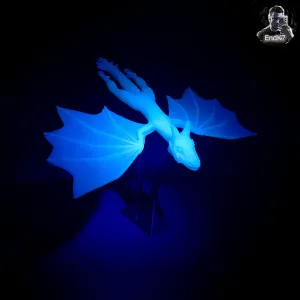

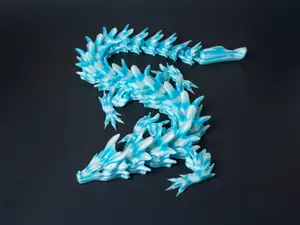
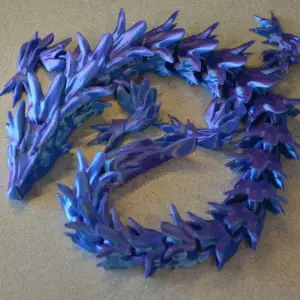

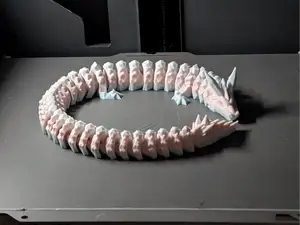
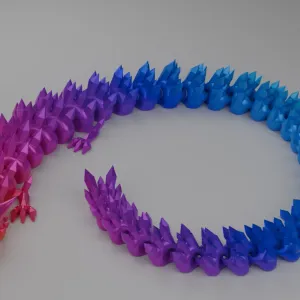

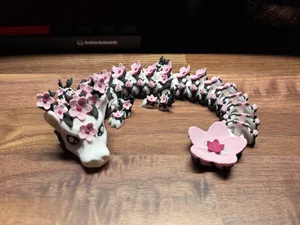
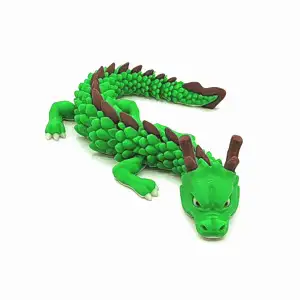

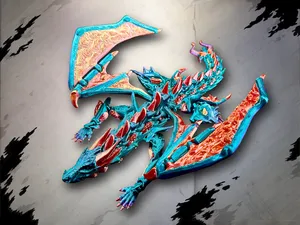
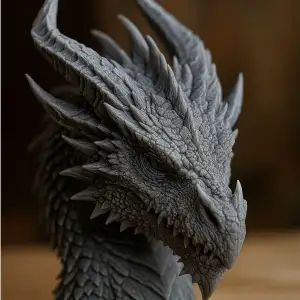

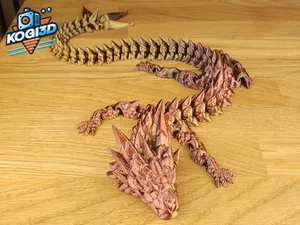

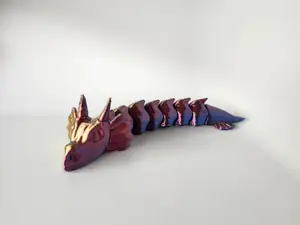
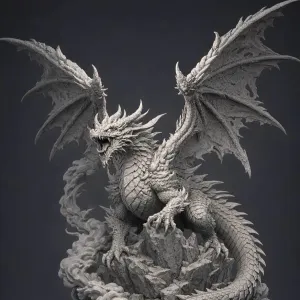

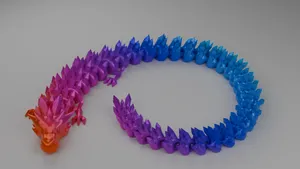


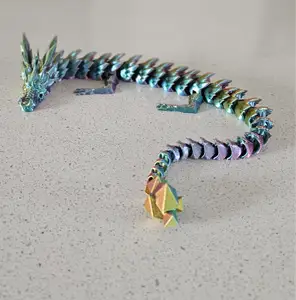
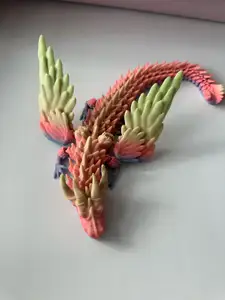

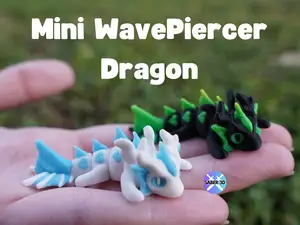
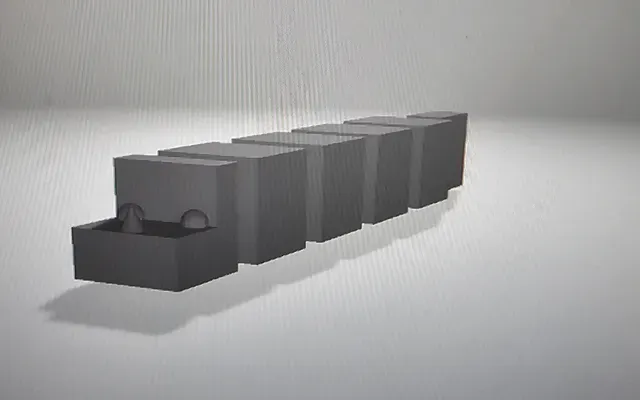
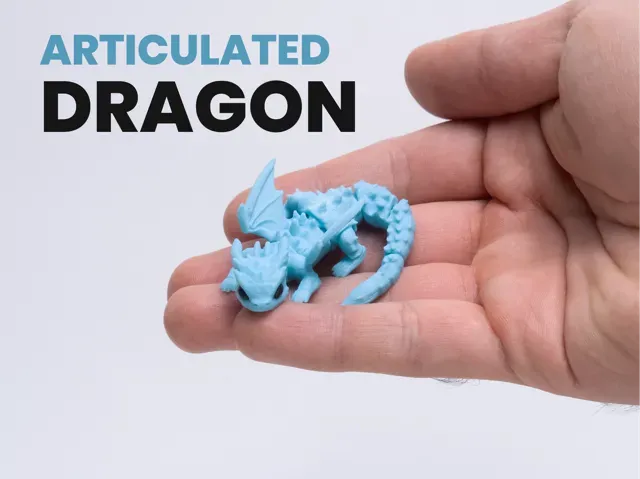
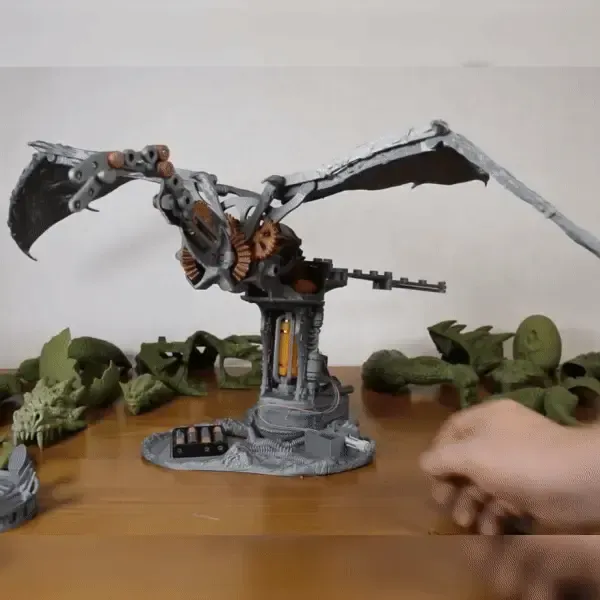
Articulated dragons use linked segments or ball joints, while flexi versions rely on thin printed hinges or chain-like sections. Some models are print-in-place, and others arrive as separate parts that need assembly. Gear-driven or jaw mechanisms add another layer of motion, often with more pieces to align.
When choosing a model, check the listed size and scale, the number of parts, and whether the author notes supports or a particular orientation. Look at the material and settings the author lists, and review photos of real prints to judge how the joints or hinges behave. Small dragons can be harder to articulate cleanly, while larger versions may need more filament and print time.
To refine the search, try terms such as articulated dragon, flexi dragon, print-in-place dragon, moving jaw, and chain link dragon. Related topics include dragon heads, dragon figures, and mechanical creatures. If you want a specific style, add words like crystal, cute, mini, or running to the query.

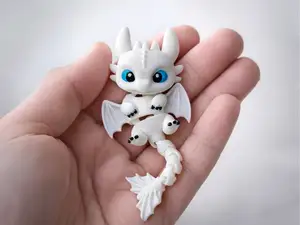
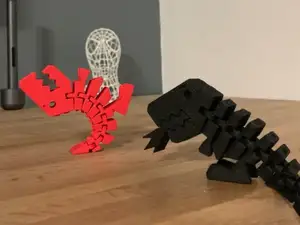



The full catalog of topics — from home & household to CNC, searchable across the connected sources.