Free 
Centipede
Thingiverse
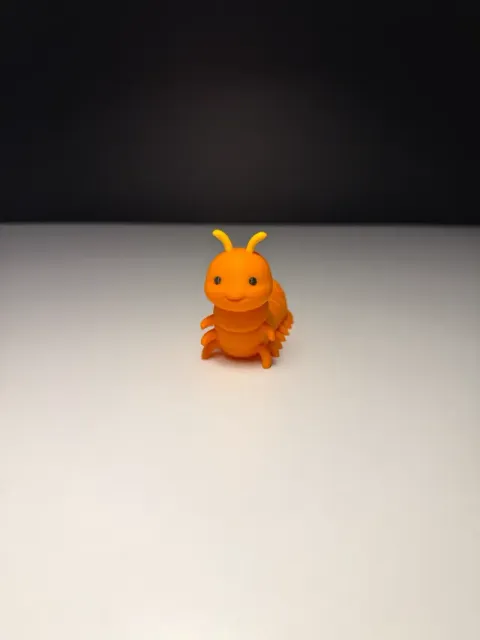
This collection gathers centipede models made for 3D printing, from flexible segmented creatures to mechanical builds and small tabletop sculpts. It helps you compare how each body is put together before you commit filament and time. Most entries are STL files that differ mainly in segment count, joint style and size. Polyzon does not confirm whether models are free, their price, license, official status, affiliation, safety or fitness. Check the current terms at the source.
 A Polyzon collection · 47 models from 4 platforms
Polyzon assembles this collection from search results on the connected platforms. Repeats and models without a preview are removed, weak matches go to the end, and the rest keeps the search order. Models belong to their authors — check the terms on each model's page.
Selection rules: the Polyzon editorial team · Text updated 2026-10-13


![Flexi Mini Centipede [ NO AMS - Multi-part ]](https://cache.polyzon.org/api/img?url=https%3A%2F%2Fmakerworld.bblmw.com%2Fmakerworld%2Fmodel%2FUS5978e941262eb1%2Fdesign%2Fd62062573eb5819e.png&w=300)


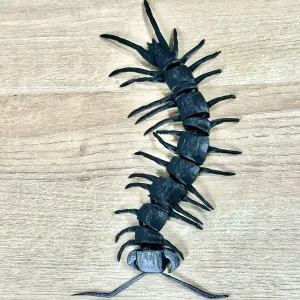


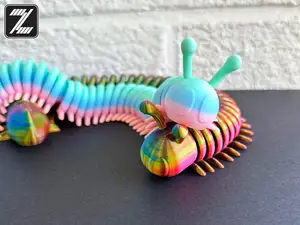
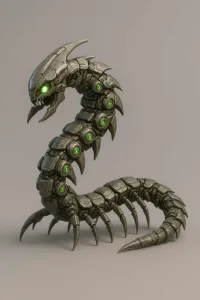


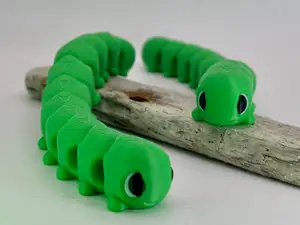
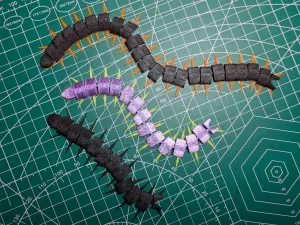


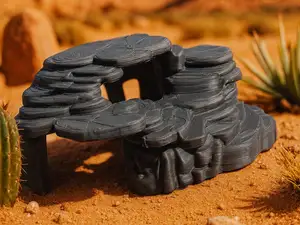
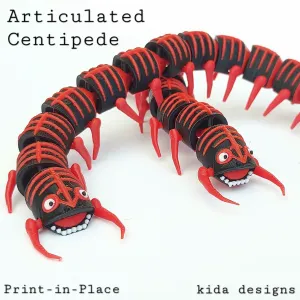


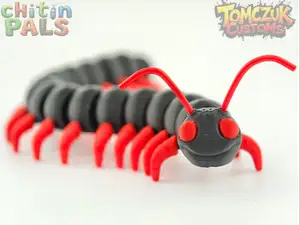
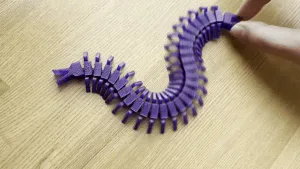


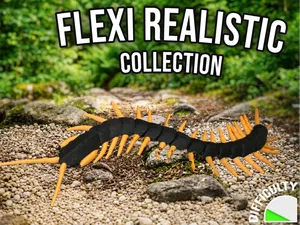
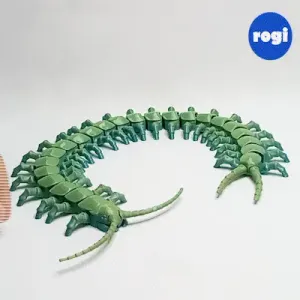


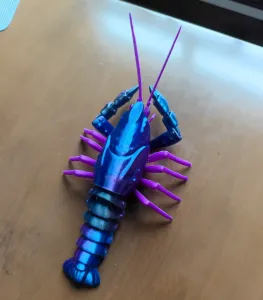
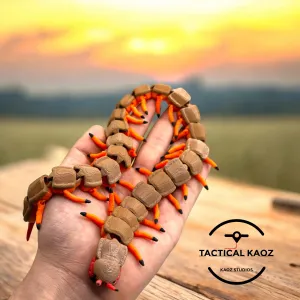


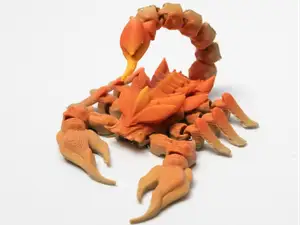
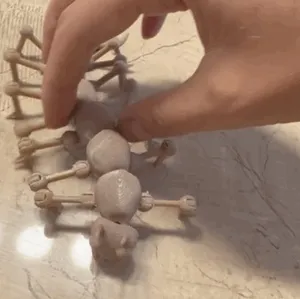


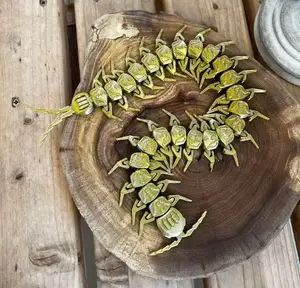
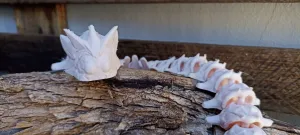


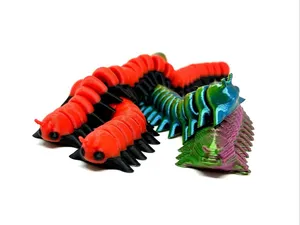
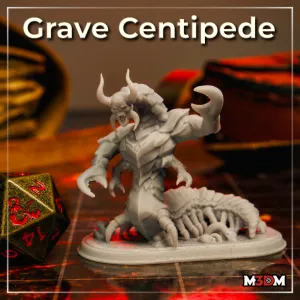
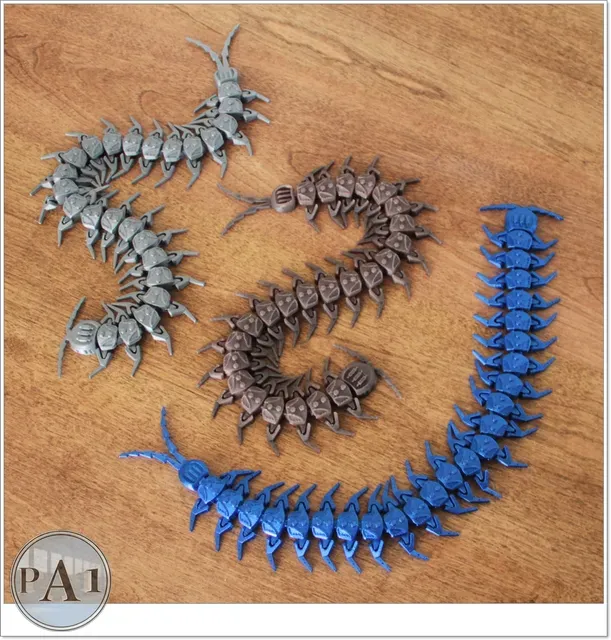
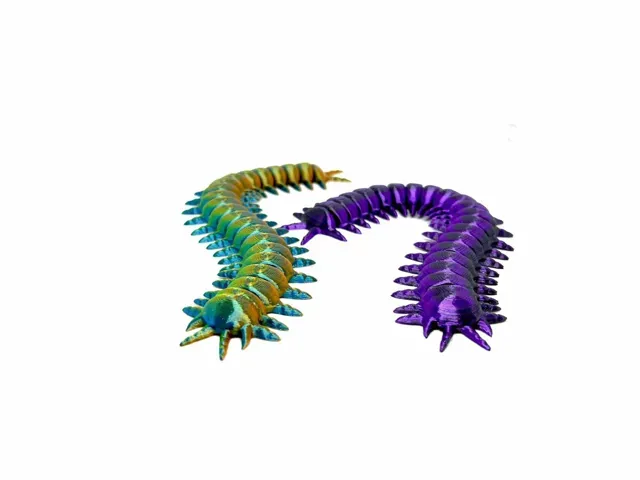
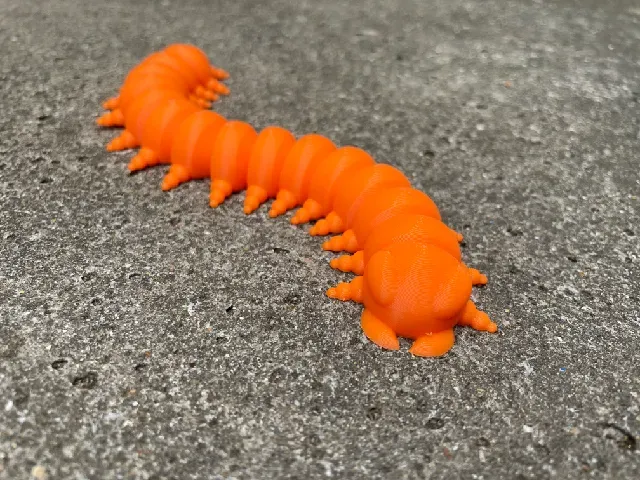
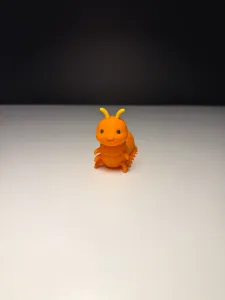
Articulated and flexi centipedes dominate the topic: their segments are linked by thin printed hinges, so the body bends and coils without assembly. Print-in-place versions come off the plate as one connected piece, while multi-part variants are printed separately and joined afterwards. Mechanical and robot interpretations use rigid links and pins instead of living hinges, and tabletop minis of giant centipedes or cave creatures are usually solid single-piece sculpts.
On the author's model page, check the number of segments and the overall length, since a long body takes far more time and filament than a short one. Look at the hinge clearance, the layer height the author lists, and whether supports are needed for legs, antennae or jaws. Photos of real prints show how freely the joints move once the print has cooled.
To widen or narrow the search, try synonyms such as scolopendra, millipede, flexi creature or articulated bug, and combine them with terms like print-in-place, multi-part or mini. Related topics include other articulated animals, cave and dungeon scatter terrain, and mechanical insect builds.
The full catalog of topics — from home & household to CNC, searchable across the connected sources.