
Free 
Pédale / Pedal / Throttle gas with potentiometer for go kart, ride on, power wheel
Thingiverse
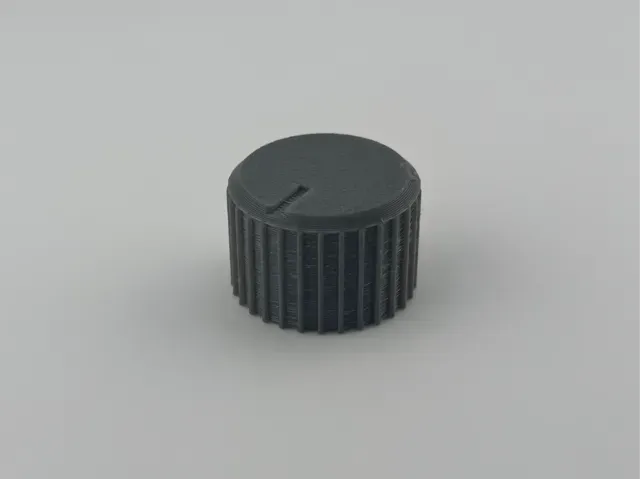
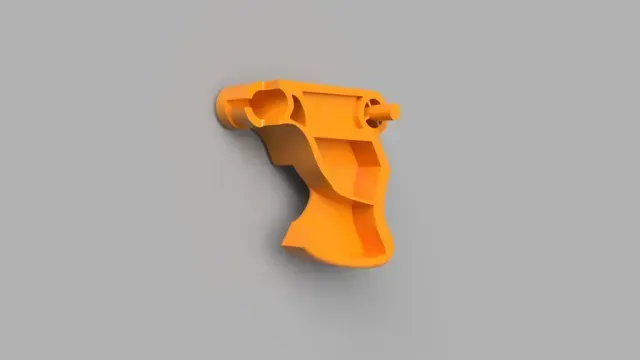
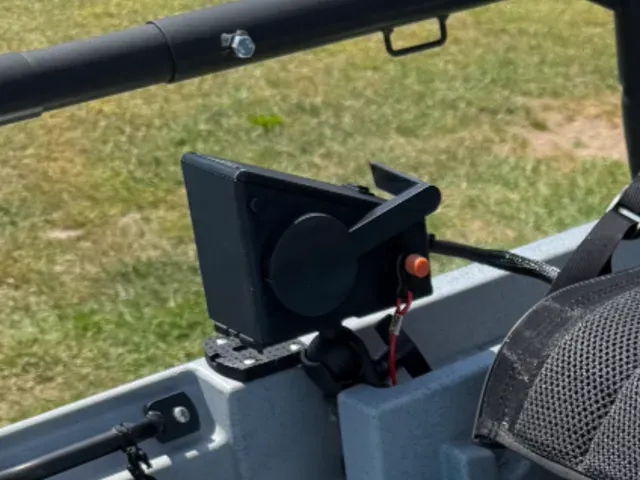
This collection gathers 3D printing files for throttle triggers, pedals, quadrants and the knobs that turn a potentiometer. It covers both repair parts for small machines and control grips built for simulators and custom builds. Most entries are small mechanical pieces, so a 3D printer with decent dimensional accuracy handles them well. Polyzon does not confirm whether models are free, their price, license, official status, affiliation, safety or fitness. Check the current terms at the source.
 A Polyzon collection · 41 models from 3 platforms
Polyzon assembles this collection from search results on the connected platforms. Repeats and models without a preview are removed, weak matches go to the end, and the rest keeps the search order. Models belong to their authors — check the terms on each model's page.
Selection rules: the Polyzon editorial team · Text updated 2026-10-14

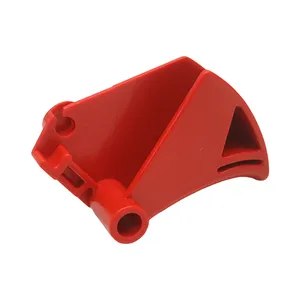

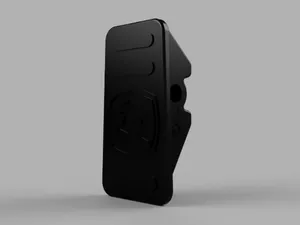

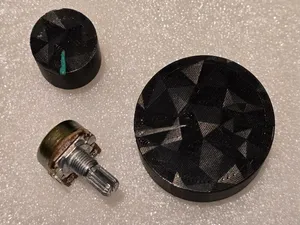

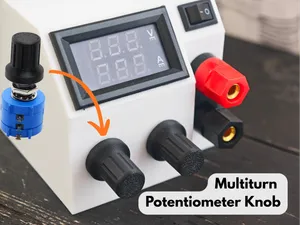


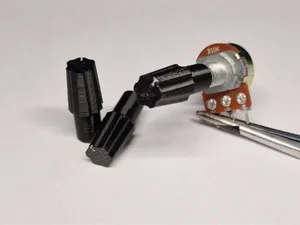

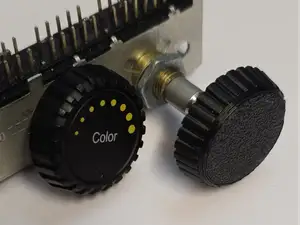


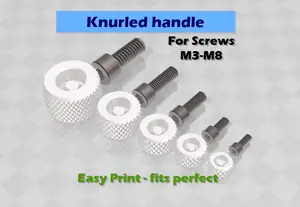

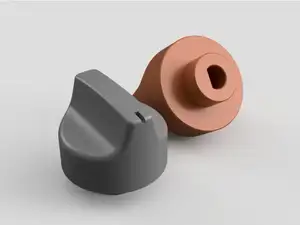

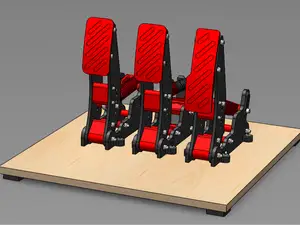

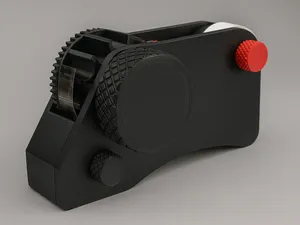

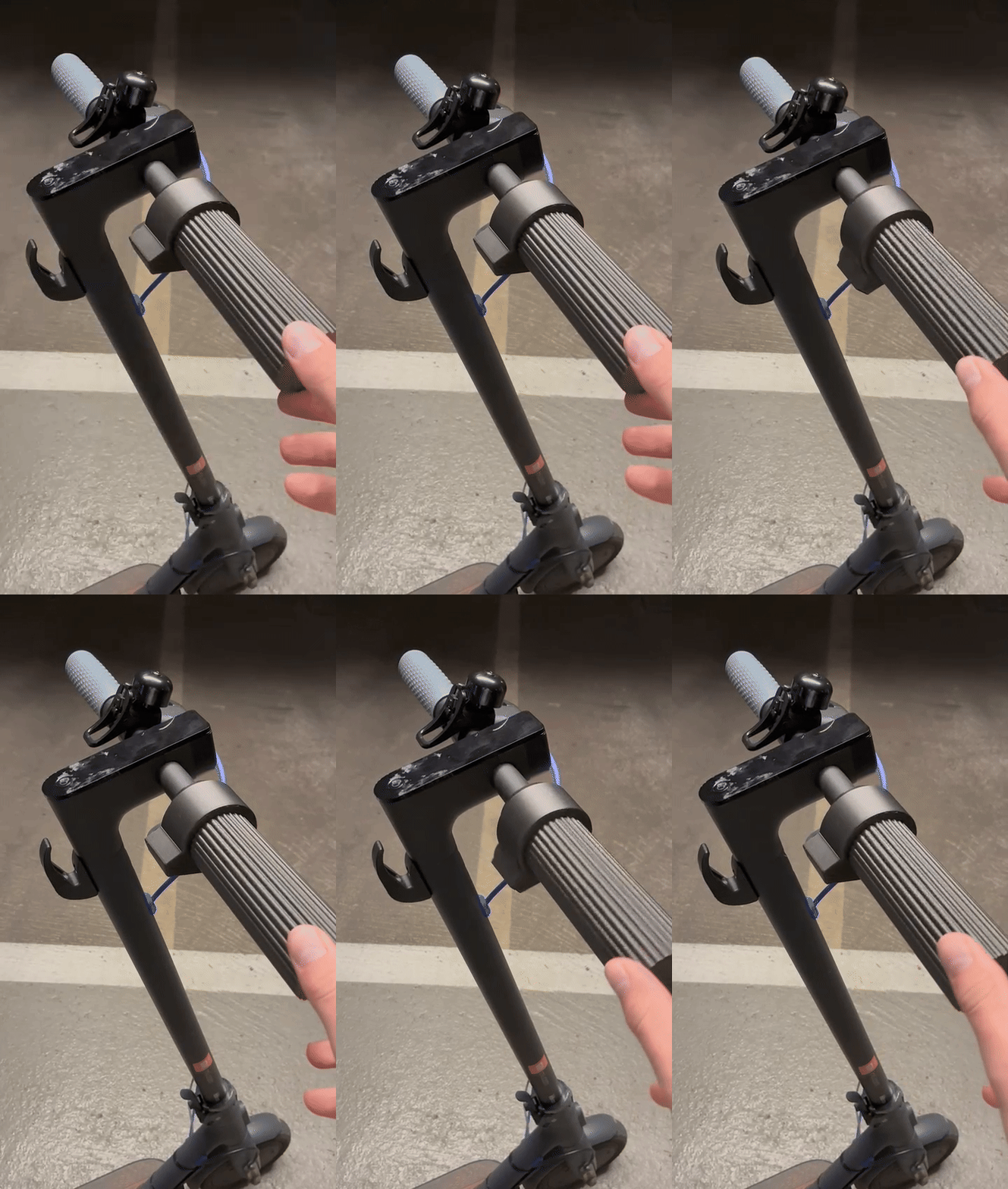


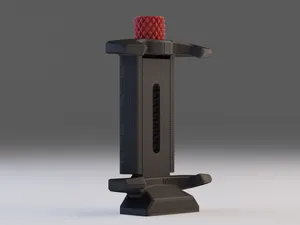

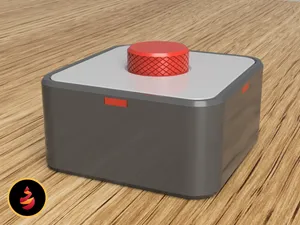

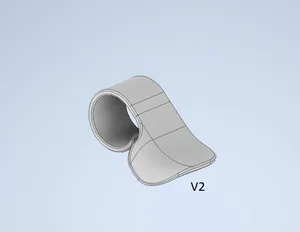

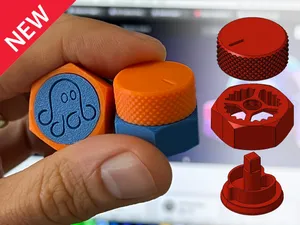

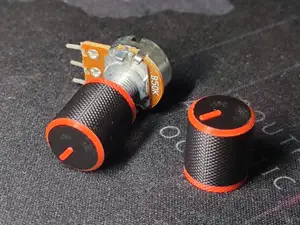
The models fall into a few groups. Vehicle and kart pedals or levers translate foot or hand movement into a potentiometer rotation, while flight simulator quadrants group several levers and sometimes a trim wheel on one base. Garden equipment triggers are shaped to fit a specific housing and cable route, and potentiometer knobs are mostly simple rotary parts with a D-shaft, splined or set-screw fit. Thumb throttles and joystick grips sit between these groups, combining a grip surface with a lever arm.
Before printing, read the author's page for shaft diameter and shape, mounting hole spacing, lever travel and whether a return spring is expected. Check how many separate parts the model has and how they join, since some designs need screws, inserts or glue. Look at the material and settings the author lists, and at photos of real prints, because thin lever arms and press-fit bores behave differently in PLA, PETG or ABS. Supports are often needed under overhangs on grips and pedals, so check the orientation the author recommends.
If a search returns little, try related wording: throttle lever, gas pedal, quadrant, thumb throttle, rotary knob, D-shaft knob, set screw knob or trim wheel. Adding the shaft size, such as 6 mm, narrows results quickly. You can also search by the machine or hobby the part belongs to, for example kart, ride-on, string trimmer, blower, kayak or flight simulator, and then filter by the control type you need.



The full catalog of topics — from home & household to CNC, searchable across the connected sources.