
Gratis 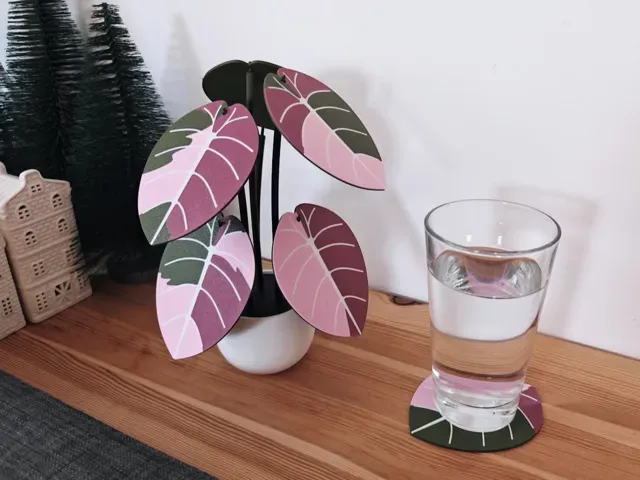
Jewel Alocasia coaster set
MakerWorld
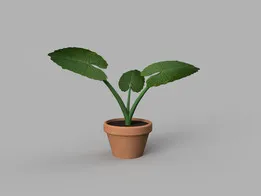
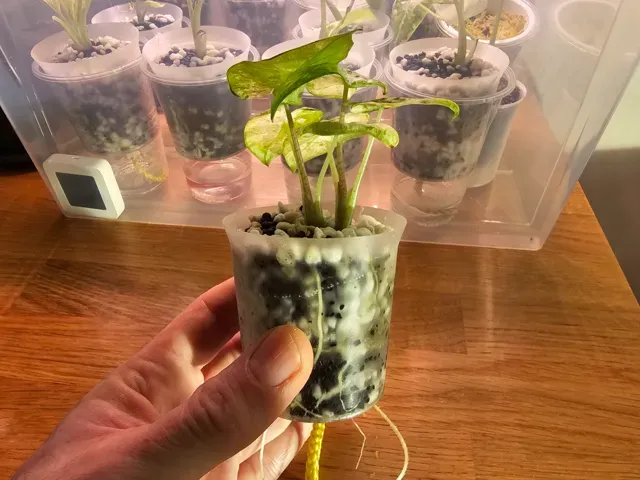
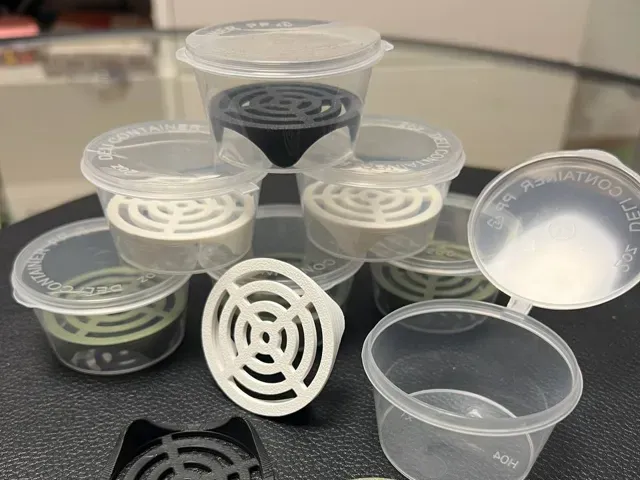
This collection gathers 3D models built around alocasia and similar aroids: planters, coasters, propagation cups, corm risers and stem supports. It is useful if you keep these plants and want parts that follow leaf shape or root behaviour rather than generic pots. Every file is meant for 3D printing, so scale and wall thickness matter more than the pictures suggest. Polyzon does not confirm whether models are free, their price, license, official status, affiliation, safety or fitness. Check the current terms at the source.
Esta colección está escrita en inglés, pero la búsqueda funciona en cualquier idioma.
 Una colección de Polyzon · 48 modelos de 4 plataformas
Polyzon reúne esta colección a partir de los resultados de búsqueda de las plataformas conectadas. Se eliminan los duplicados y los modelos sin vista previa, las coincidencias débiles van al final y el resto mantiene el orden de la búsqueda. Los modelos pertenecen a sus autores: consulta las condiciones en la página de cada modelo.
Criterios de selección: el equipo editorial de Polyzon · Texto actualizado el 12/10/2026
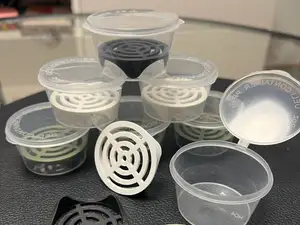

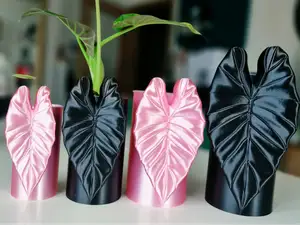
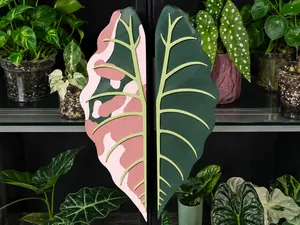
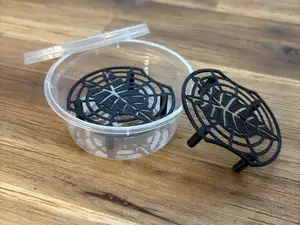
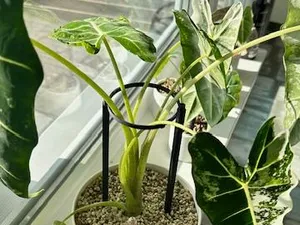
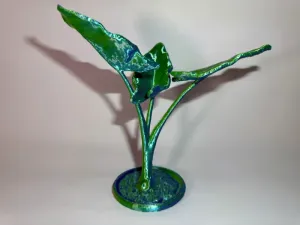
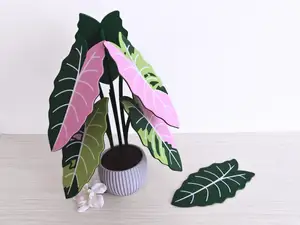
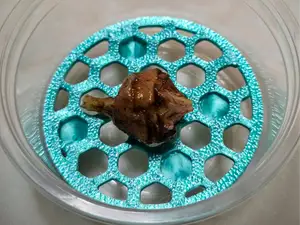
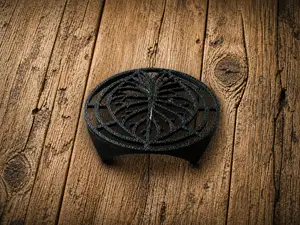
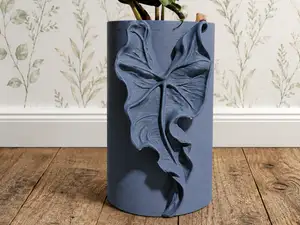

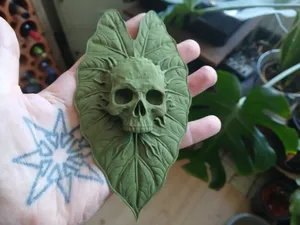
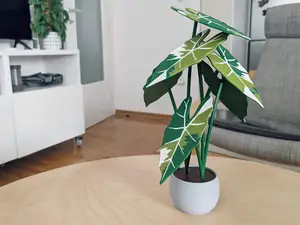
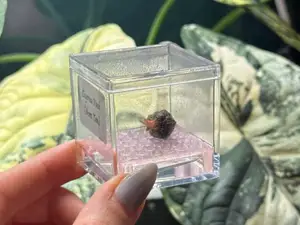


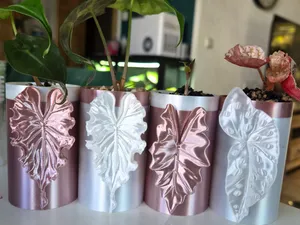
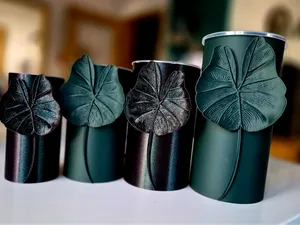
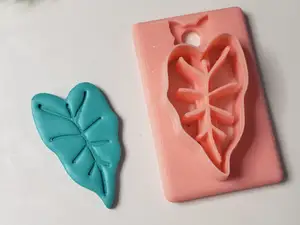
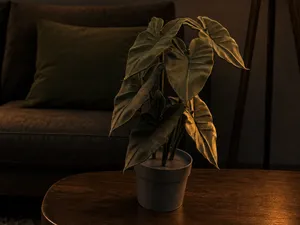
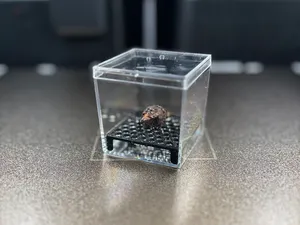
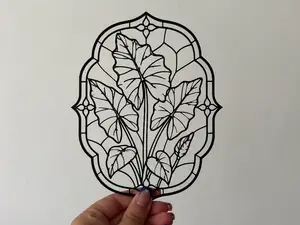
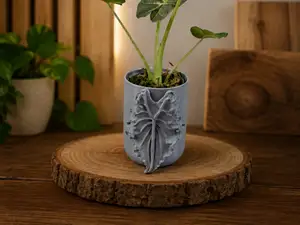
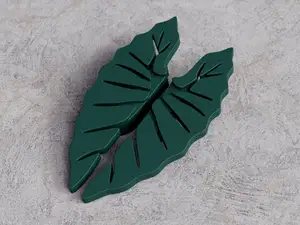
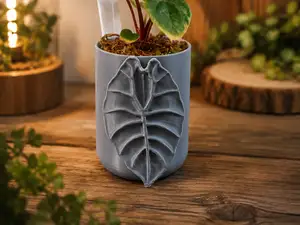
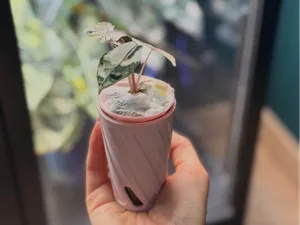
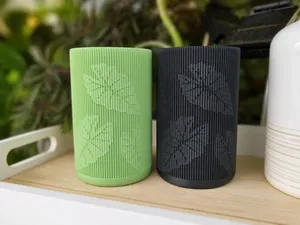
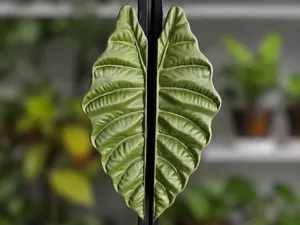
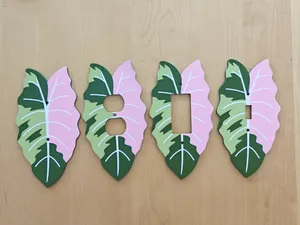
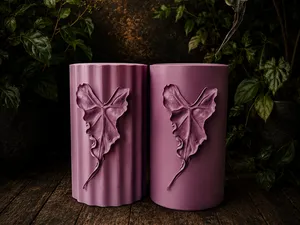
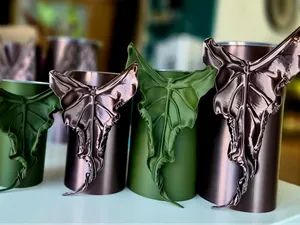
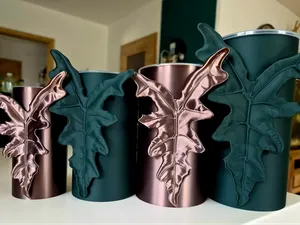
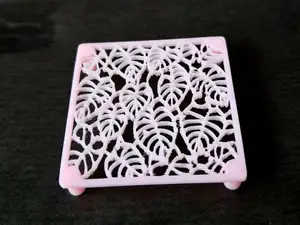
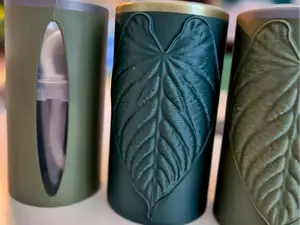
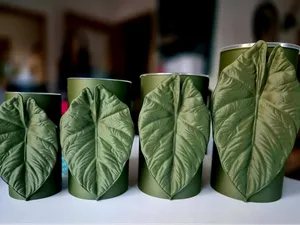
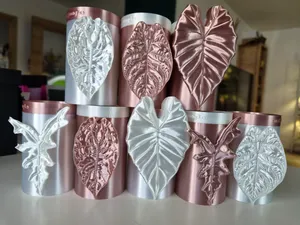
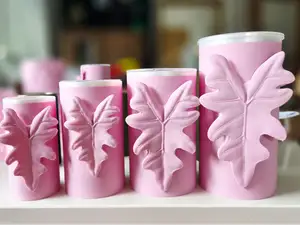
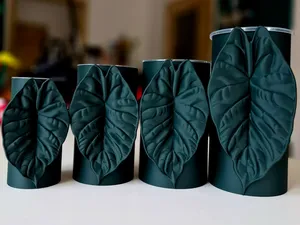

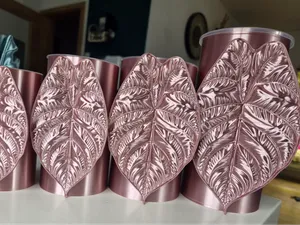
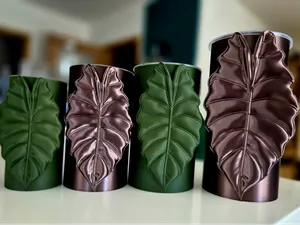
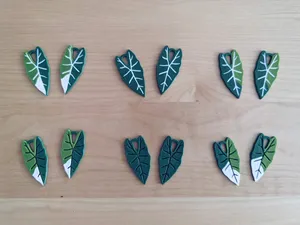
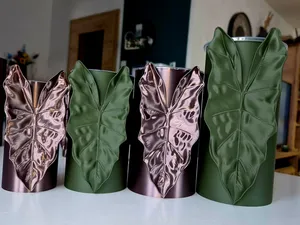
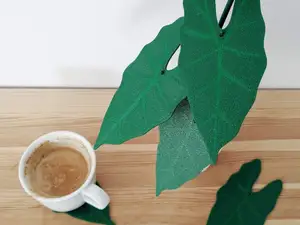
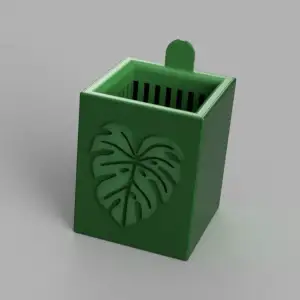
The models fall into a few practical groups. Planters and pots come in round and ribbed forms, sometimes with drainage or a separate inner cup. Coasters and trays reuse the leaf outline as a flat surface, while corm and rhizome risers hold a tuber above water or substrate during rooting. Supports and stakes are simpler shapes that keep heavy leaves from tipping the pot.
When choosing a file, open the author's page and read the listed dimensions before anything else. Check whether the model is split into parts, how they join, and whether the overhangs need supports. Look at the material and layer settings the author notes, and at photos of real prints, since thin walls and tall planters behave differently in PLA and PETG. For anything holding water or soil, wall thickness and bottom sealing decide how long the part lasts.
Search results improve when you vary the wording. Try terms such as aroid, elephant ear, taro or houseplant alongside planter, pot, riser or propagation. Related topics include self-watering inserts, wick cups, saucers, trellises and leaf-shaped decor, which often appear under different names than the plant itself.



El catálogo completo de temáticas, del hogar al CNC, con búsqueda en todas las plataformas conectadas.