Gratis 
Clamp It Square - Non-Embossing (Mini, Midi & Large sizes)
Thingiverse
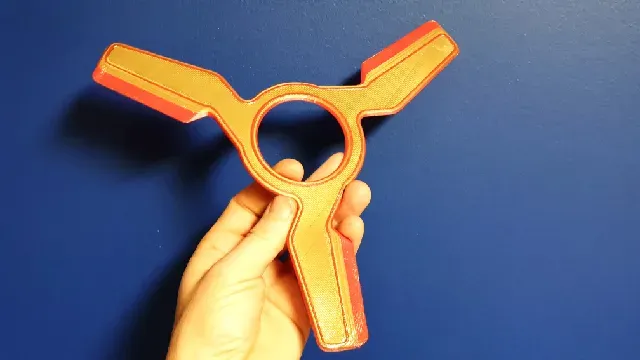
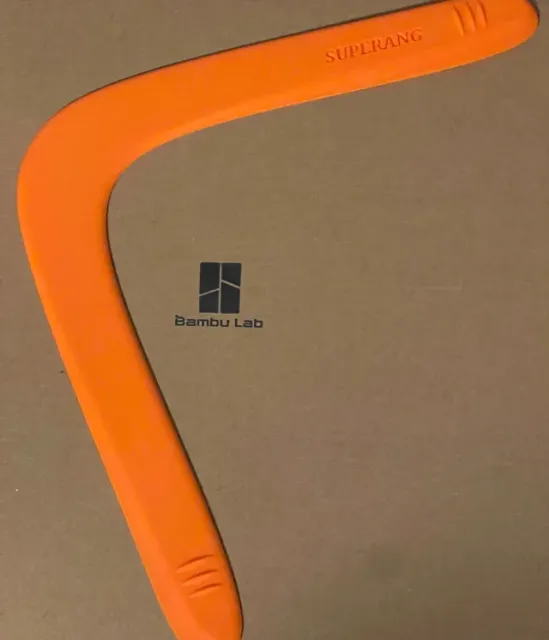
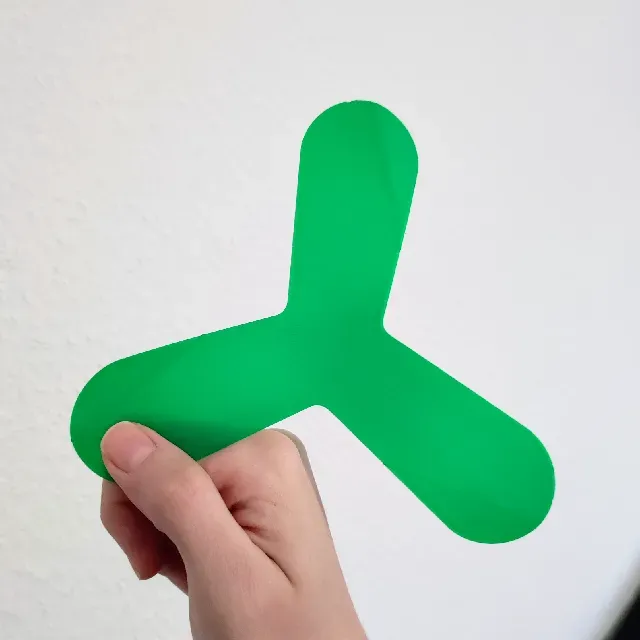
This collection gathers boomerang STL files and related throwing designs made for 3D printing, from small indoor throwers to multi-wing returning shapes. It is useful if you want a model that flies rather than only sits on a shelf, and if you care about how the geometry behaves in the air. Polyzon does not confirm whether models are free, their price, license, official status, affiliation, safety or fitness. Check the current terms at the source.
Esta colección está escrita en inglés, pero la búsqueda funciona en cualquier idioma.
 Una colección de Polyzon · 46 modelos de 4 plataformas
Polyzon reúne esta colección a partir de los resultados de búsqueda de las plataformas conectadas. Se eliminan los duplicados y los modelos sin vista previa, las coincidencias débiles van al final y el resto mantiene el orden de la búsqueda. Los modelos pertenecen a sus autores: consulta las condiciones en la página de cada modelo.
Criterios de selección: el equipo editorial de Polyzon · Texto actualizado el 14/10/2026
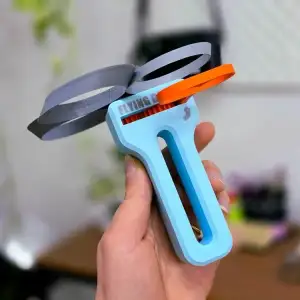

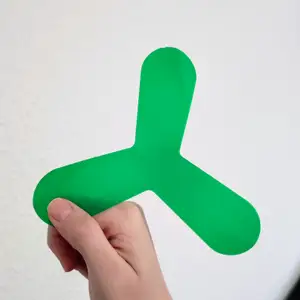
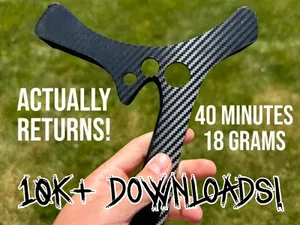
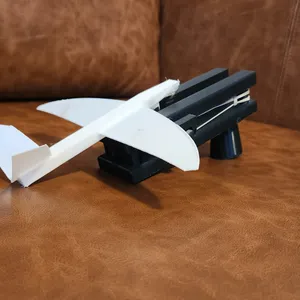


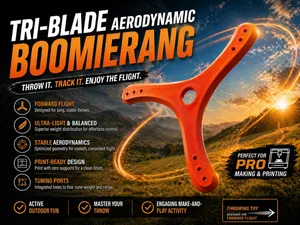
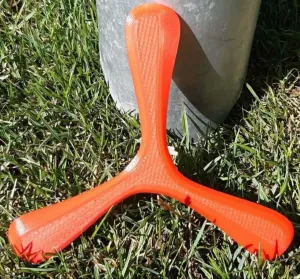


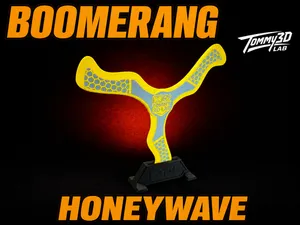
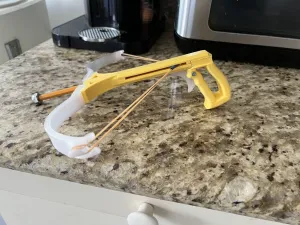


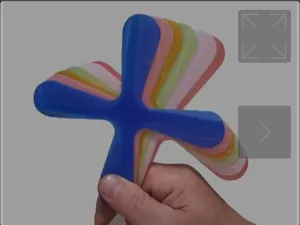


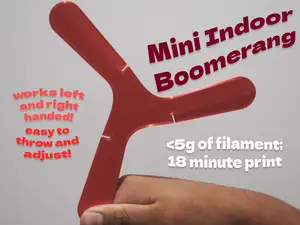
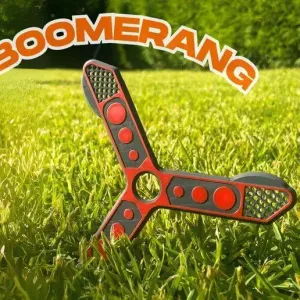


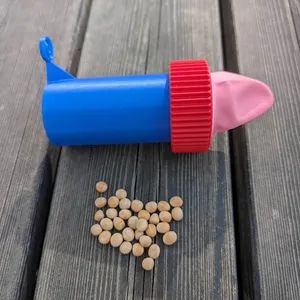


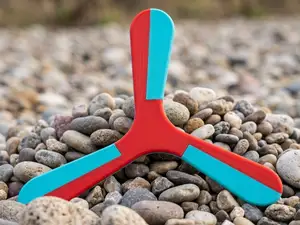
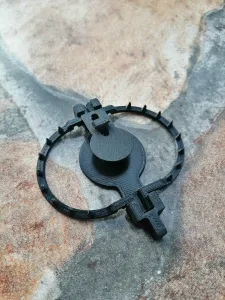

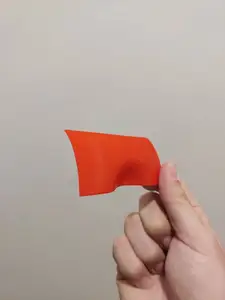

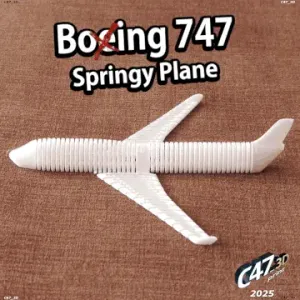

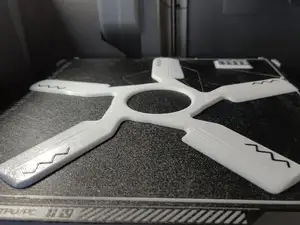
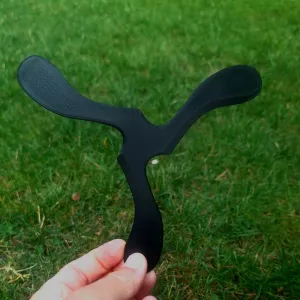
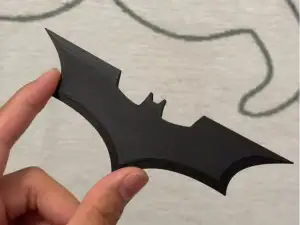
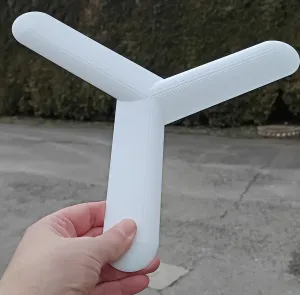




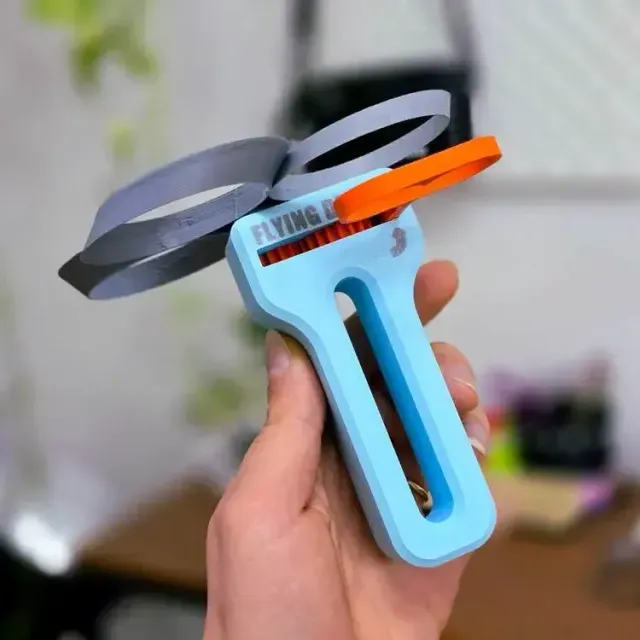
The models here split mainly by shape and by where they are meant to be thrown. Indoor versions are usually smaller and lighter, with thin wings that return in a short distance; tri-blade and multi-wing designs trade some simplicity for a more stable flight path, while T-shaped and V-shaped builds follow a more classic returning profile. A separate group covers novelty pieces and hand-launched gliders, where the boomerang idea is applied to a themed or toy-like object.
Before printing, look at the wing profile, thickness and overall span on the model page, since these decide how the piece flies and how much space it needs. Check how many parts the author lists, whether the design is printed as one piece or assembled, and whether supports are needed for the overhangs. Read the material and settings the author recommends, and look at photos of real prints to judge surface finish and balance.
If the results feel narrow, try other terms for the same idea: returning thrower, tri-wing, roomerang, flying disc or hand-launched glider. Related topics such as frisbees, propellers, launchers and aerodynamic toys often surface designs that behave similarly. Adding a size or setting word, like indoor, mini or lightweight, narrows the list further.
Scale matters more than it seems: a model shrunk or enlarged changes weight and stiffness, which affects the return. If the author gives a specific filament or wall count, follow it first and adjust only after a test throw in an open area away from people and fragile objects.



El catálogo completo de temáticas, del hogar al CNC, con búsqueda en todas las plataformas conectadas.