Gratuit 
Clamp It Square - Non-Embossing (Mini, Midi & Large sizes)
Thingiverse
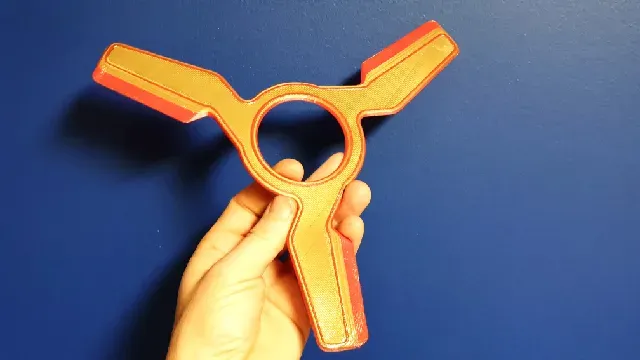
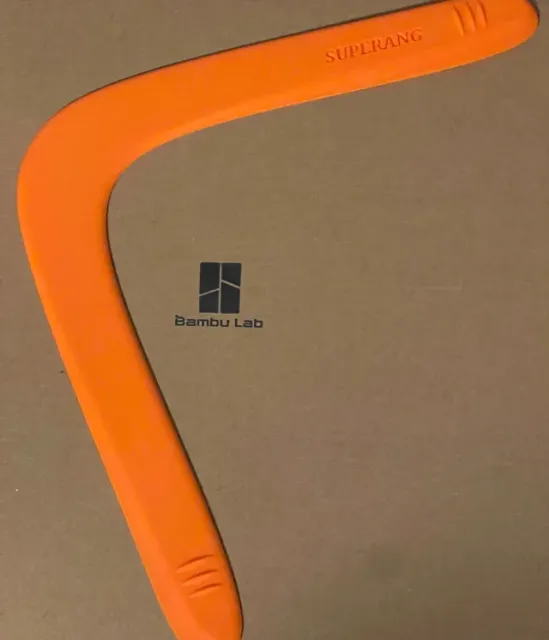
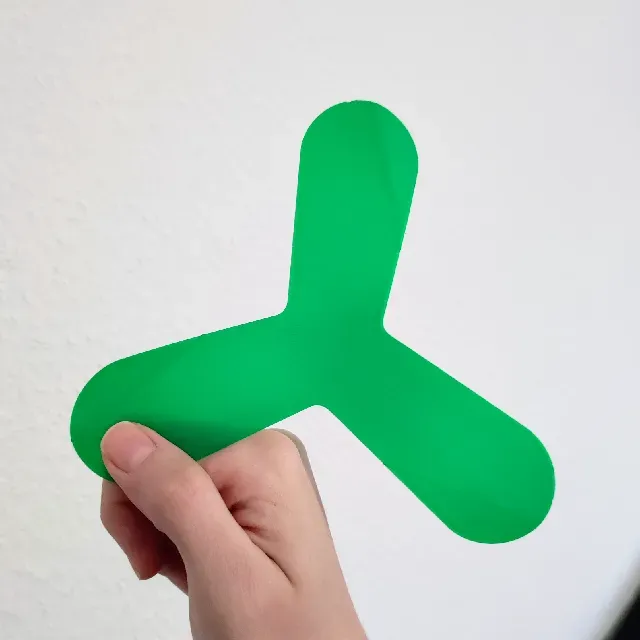
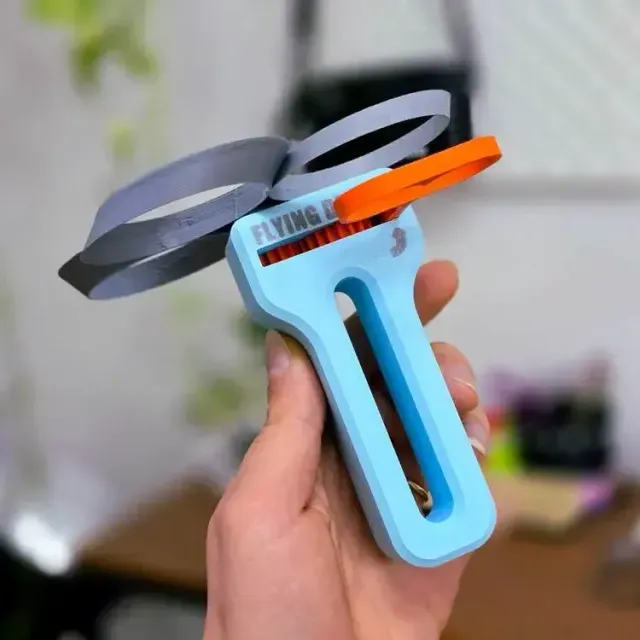
This collection gathers boomerang STL files and related throwing designs made for 3D printing, from small indoor throwers to multi-wing returning shapes. It is useful if you want a model that flies rather than only sits on a shelf, and if you care about how the geometry behaves in the air. Polyzon does not confirm whether models are free, their price, license, official status, affiliation, safety or fitness. Check the current terms at the source.
Le texte de cette collection est rédigé en anglais ; la recherche, elle, fonctionne dans toutes les langues.
 Une collection Polyzon · 46 modèles sur 4 plateformes
Polyzon compose cette collection à partir des résultats de recherche des plateformes connectées. Les doublons et les modèles sans aperçu sont retirés, les correspondances faibles sont placées à la fin, et le reste suit l’ordre de la recherche. Les modèles appartiennent à leurs auteurs : consultez les conditions sur la page de chaque modèle.
Règles de sélection : la rédaction de Polyzon · Texte mis à jour le 14/10/2026
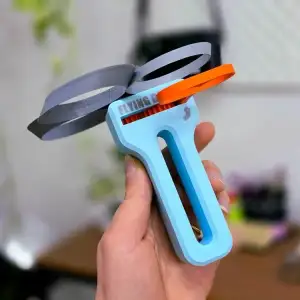

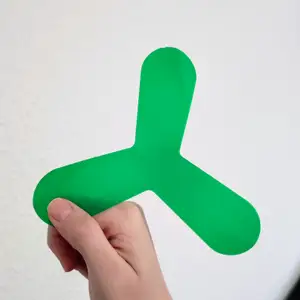
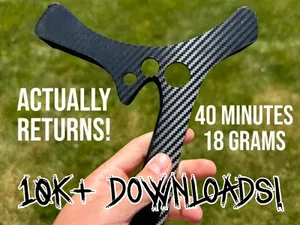
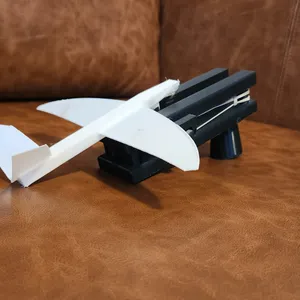


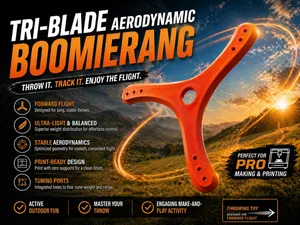
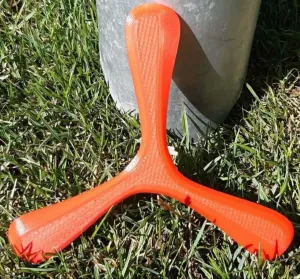


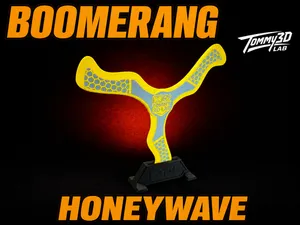
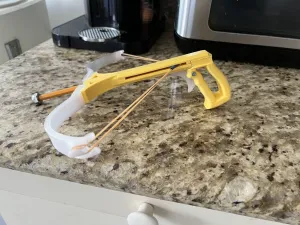


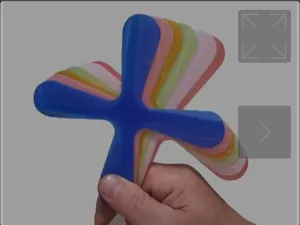


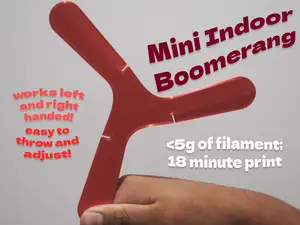
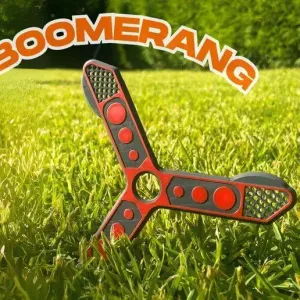




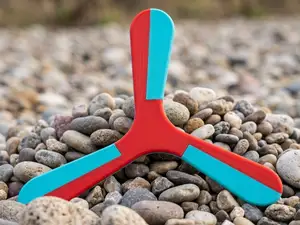
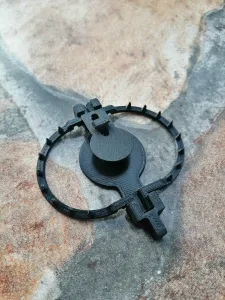

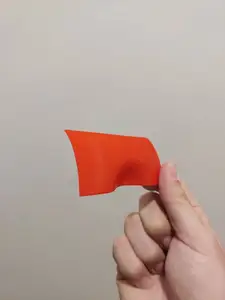

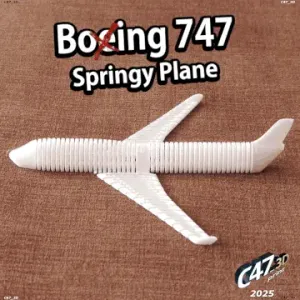

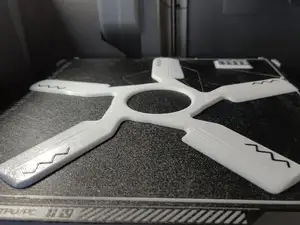
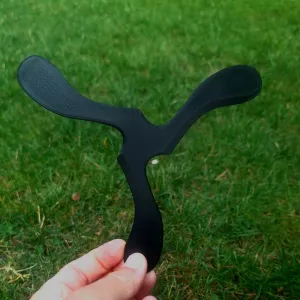
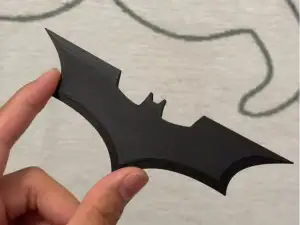
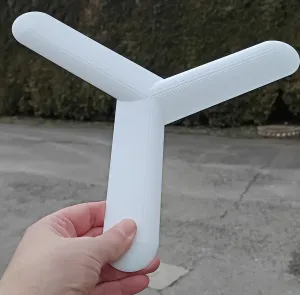


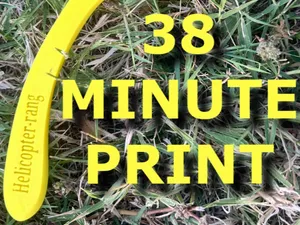
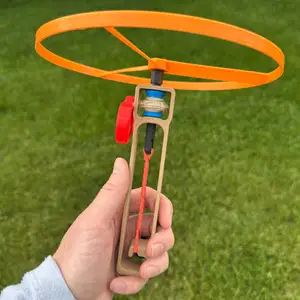


The models here split mainly by shape and by where they are meant to be thrown. Indoor versions are usually smaller and lighter, with thin wings that return in a short distance; tri-blade and multi-wing designs trade some simplicity for a more stable flight path, while T-shaped and V-shaped builds follow a more classic returning profile. A separate group covers novelty pieces and hand-launched gliders, where the boomerang idea is applied to a themed or toy-like object.
Before printing, look at the wing profile, thickness and overall span on the model page, since these decide how the piece flies and how much space it needs. Check how many parts the author lists, whether the design is printed as one piece or assembled, and whether supports are needed for the overhangs. Read the material and settings the author recommends, and look at photos of real prints to judge surface finish and balance.
If the results feel narrow, try other terms for the same idea: returning thrower, tri-wing, roomerang, flying disc or hand-launched glider. Related topics such as frisbees, propellers, launchers and aerodynamic toys often surface designs that behave similarly. Adding a size or setting word, like indoor, mini or lightweight, narrows the list further.
Scale matters more than it seems: a model shrunk or enlarged changes weight and stiffness, which affects the return. If the author gives a specific filament or wall count, follow it first and adjust only after a test throw in an open area away from people and fragile objects.


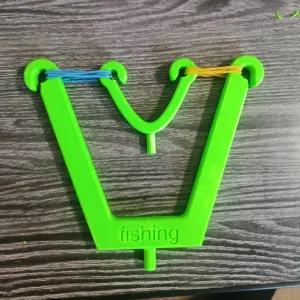

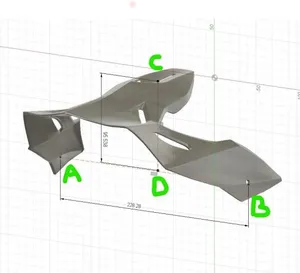
Le catalogue complet des thèmes, de la maison à la CNC, avec une recherche sur tous les sites connectés.