
Gratis 
Mechanical Quick Grab/Release Phone Stand
Thingiverse
The name carlson pulls together several unrelated families of 3D models: gate latches and spacers, personalised keychains, character figures and small mounting brackets. Because the term is a surname, it also catches models that only share the spelling. This page is a starting point for 3D printing, and each listing still needs to be read on its own. Polyzon does not confirm whether models are free, their price, license, official status, affiliation, safety or fitness. Check the current terms at the source.
Esta colección está escrita en inglés, pero la búsqueda funciona en cualquier idioma.
 Una colección de Polyzon · 48 modelos de 4 plataformas
Polyzon reúne esta colección a partir de los resultados de búsqueda de las plataformas conectadas. Se eliminan los duplicados y los modelos sin vista previa, las coincidencias débiles van al final y el resto mantiene el orden de la búsqueda. Los modelos pertenecen a sus autores: consulta las condiciones en la página de cada modelo.
Criterios de selección: el equipo editorial de Polyzon · Texto actualizado el 15/10/2026


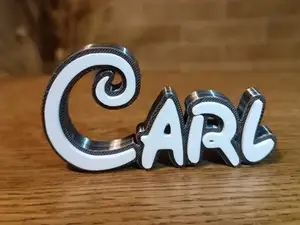


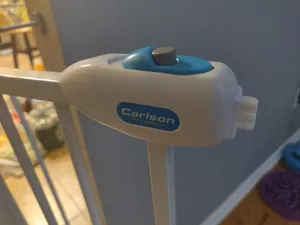


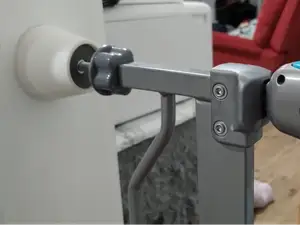


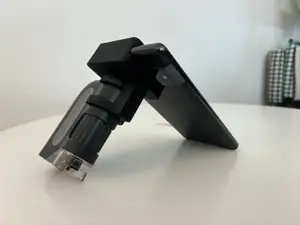
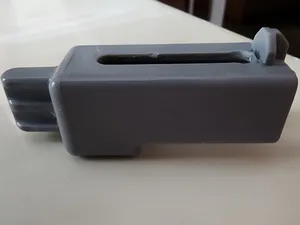
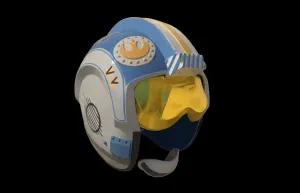

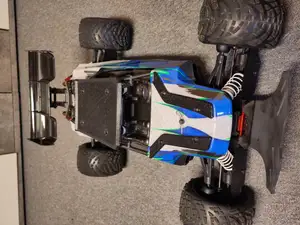
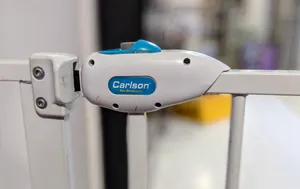
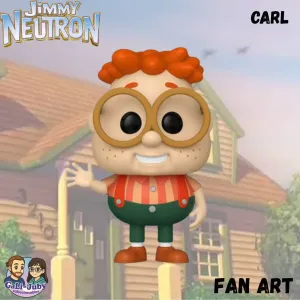

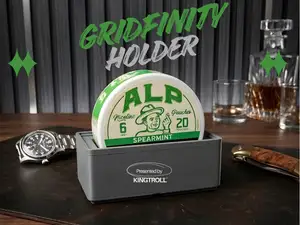
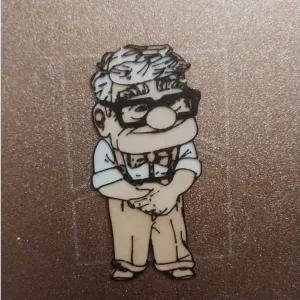
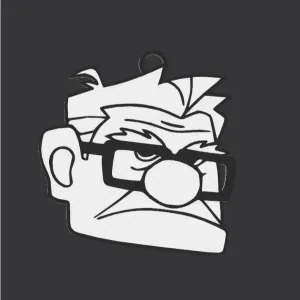



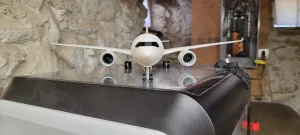


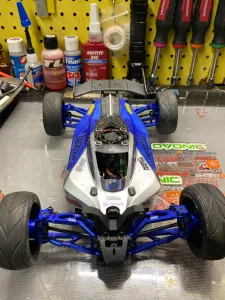

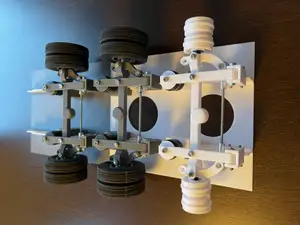

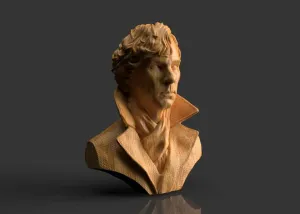

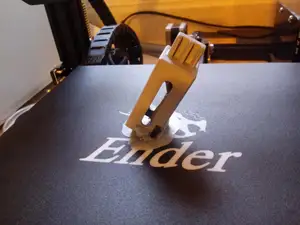
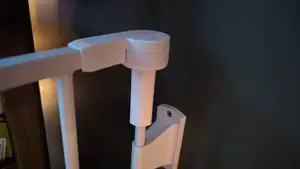
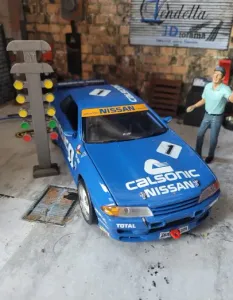
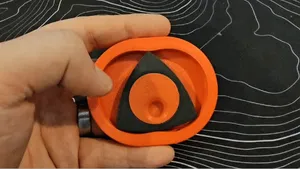
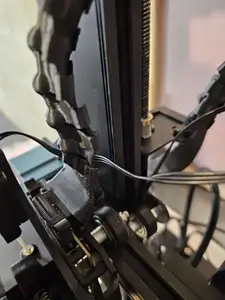
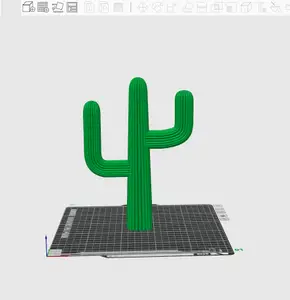

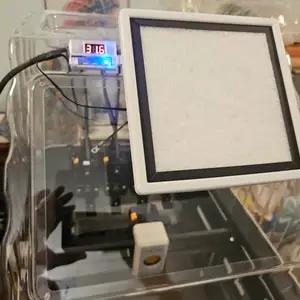
The results split into groups that behave differently on a 3D printer. Latches, spacers and gate extenders are functional parts with moving or load-bearing sections, while keychains and name signs are flat decorative pieces. Character figures and cartoon drawings are usually printed for display and may come as several parts. Mounts and adapters sit in between: they are shaped around a specific device but are otherwise simple brackets.
Before printing, open the author's page and check the listed dimensions against your own measurement, since a latch or spacer only works at the size it was drawn for. Look at the number of parts, whether the file is a single print-in-place piece or an assembly, and whether the author reports supports. Material and settings matter most for thin clips and hinges, so read what the author used and look at photos of real prints rather than the render alone.
If the results feel mixed, narrow them with a second word: latch, spacer, extender, keychain, name sign, mount or figure. Alternate spellings of the name and related surnames return different sets, and swapping in the object you actually need, such as a baby gate latch or a phone stand, is often more productive than searching the name by itself. Browsing the related categories for home hardware, toys or printer parts can also surface models that never mention the name in the title.




El catálogo completo de temáticas, del hogar al CNC, con búsqueda en todas las plataformas conectadas.