Gratis 
Machined Nerf Caliburn - Upgrade Parts
Thingiverse
This collection gathers STL files and print profiles around calibration test models, PETG settings, articulated figures and model train accessories. You can compare how different authors approach calibration, assembly and scale before sending a file to your 3D printer. Polyzon does not confirm whether models are free, their price, license, official status, affiliation, safety or fitness. Check the current terms at the source.
Esta colección está escrita en inglés, pero la búsqueda funciona en cualquier idioma.
 Una colección de Polyzon · 21 modelos de 2 plataformas
Polyzon reúne esta colección a partir de los resultados de búsqueda de las plataformas conectadas. Se eliminan los duplicados y los modelos sin vista previa, las coincidencias débiles van al final y el resto mantiene el orden de la búsqueda. Los modelos pertenecen a sus autores: consulta las condiciones en la página de cada modelo.
Criterios de selección: el equipo editorial de Polyzon · Texto actualizado el 15/10/2026
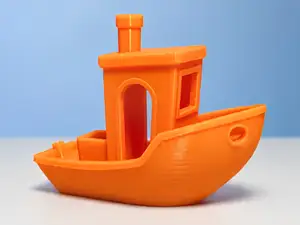
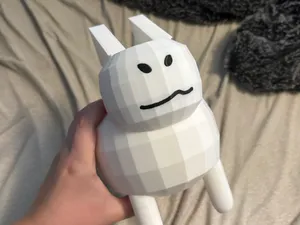
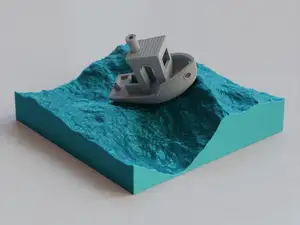
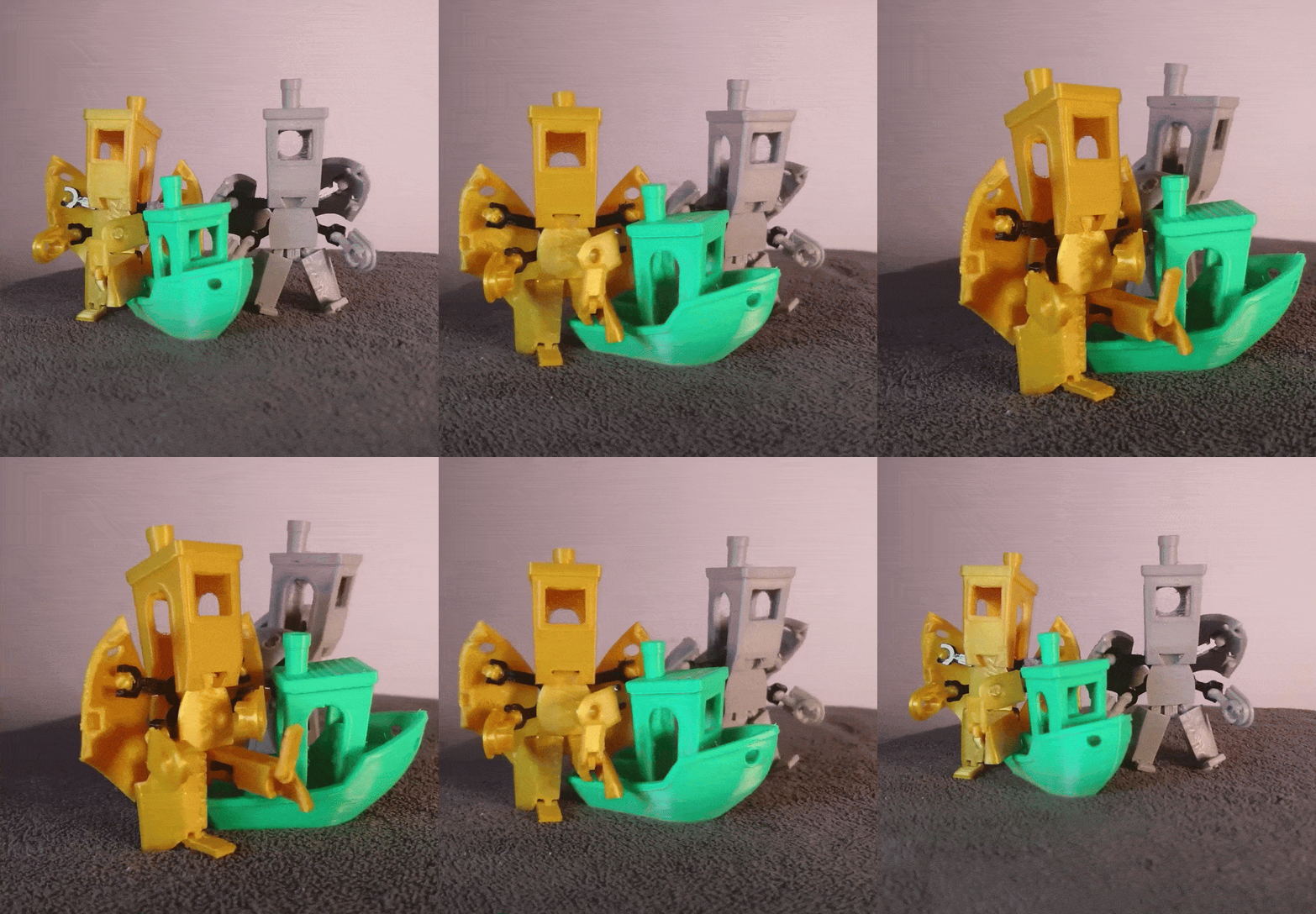
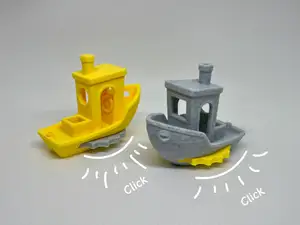
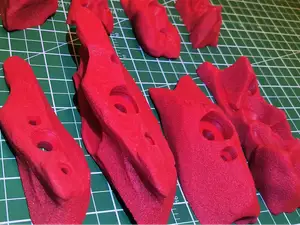

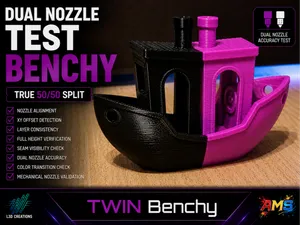
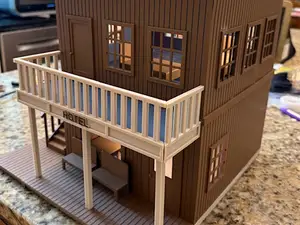
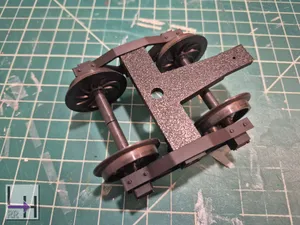
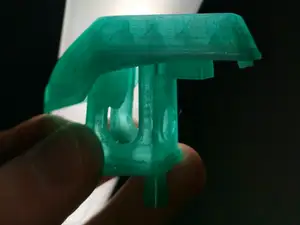
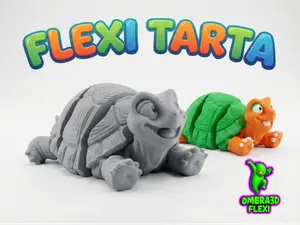
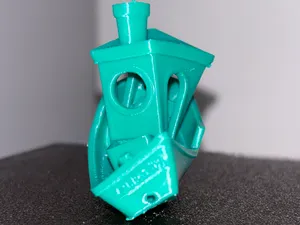
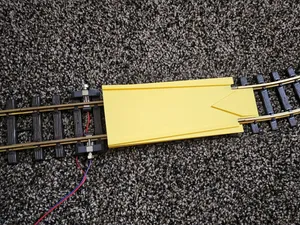
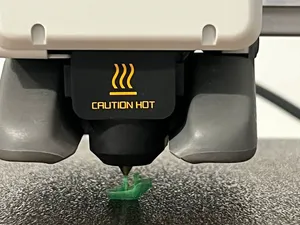
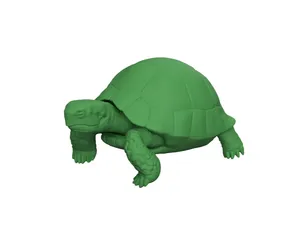
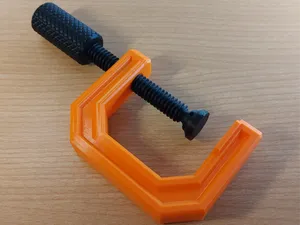
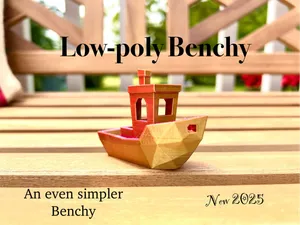
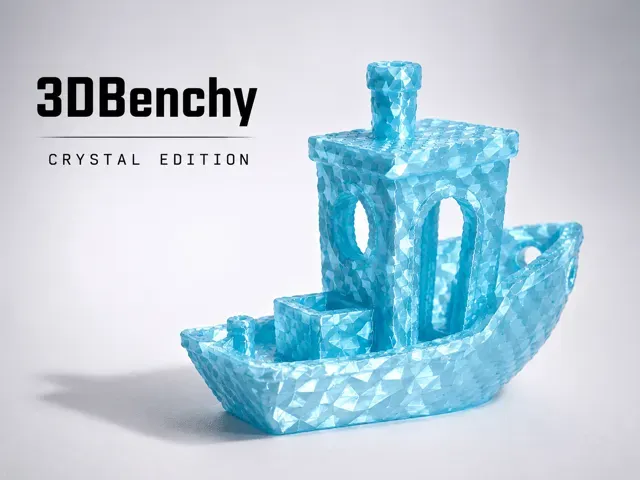
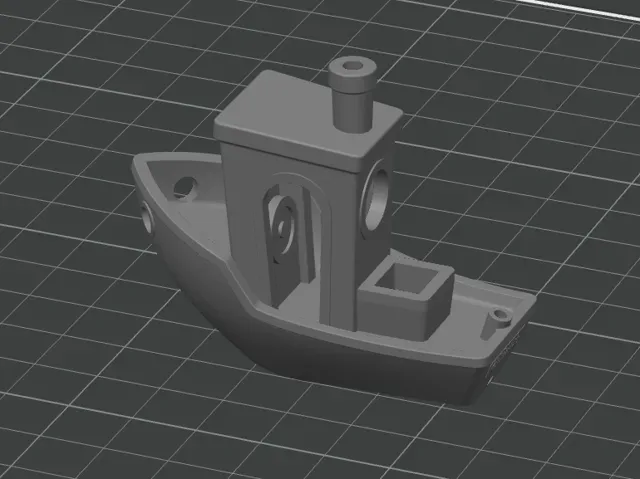
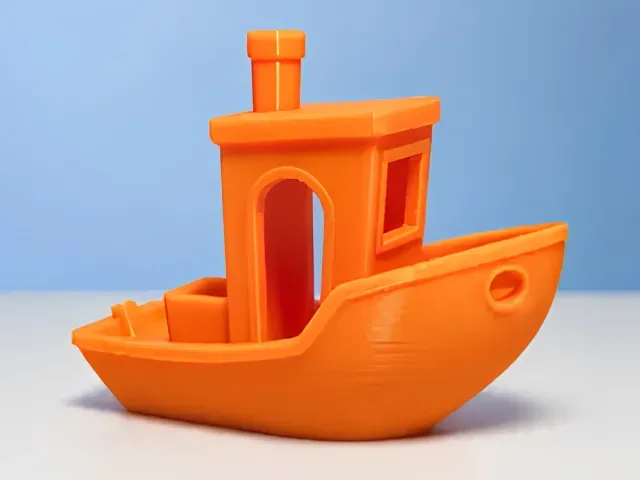
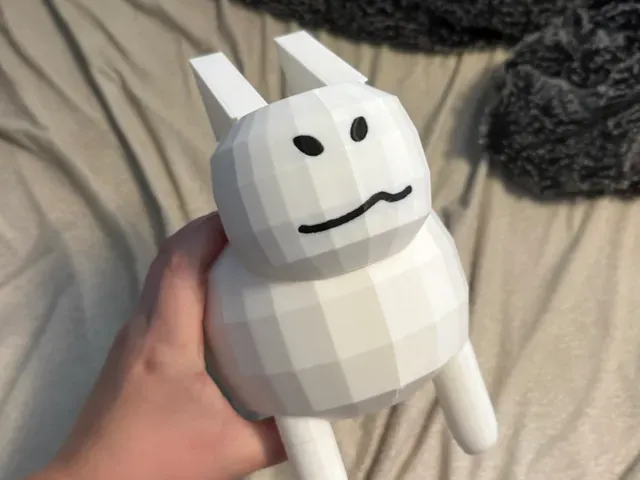
Some entries are small calibration boats and their remixes, including tiny, dual-nozzle or display-oriented versions. Others are articulated or flexi figures that print as moving parts, while a separate group covers model train accessories and workshop clamps. PETG profiles appear as settings rather than objects, so they are useful when you want to tune a material rather than print a shape.
On an author's model page, check the stated size and scale, the number of separate parts, and whether the model needs supports or assembly. For articulated designs, look at the joint clearances and the material the author lists; for train parts, confirm the track gauge or scale. Photos of real prints and any recommended layer height or nozzle size help you judge how the model behaves on your 3D printer.
To narrow the results, try synonyms such as calibration boat, test print, flexi, print-in-place, or material profile. Related topics include nozzle settings, filament profiles, scale model rail accessories, and workshop fixtures. Combining a model type with a material or scale usually returns a more focused set of STL files.


El catálogo completo de temáticas, del hogar al CNC, con búsqueda en todas las plataformas conectadas.