Gratis 
Machined Nerf Caliburn - Upgrade Parts
Thingiverse
This collection gathers STL files and print profiles around calibration test models, PETG settings, articulated figures and model train accessories. You can compare how different authors approach calibration, assembly and scale before sending a file to your 3D printer. Polyzon does not confirm whether models are free, their price, license, official status, affiliation, safety or fitness. Check the current terms at the source.
Il testo di questa raccolta è in inglese; la ricerca funziona in qualsiasi lingua.
 Una raccolta di Polyzon · 21 modelli da 2 siti
Polyzon compone questa raccolta a partire dai risultati di ricerca dei siti collegati. I doppioni e i modelli senza anteprima vengono rimossi, le corrispondenze deboli finiscono in fondo e il resto mantiene l’ordine dei risultati. I modelli appartengono ai rispettivi autori: verifica le condizioni sulla pagina di ciascun modello.
Criteri di selezione a cura della redazione di Polyzon · Testo aggiornato: 15/10/2026
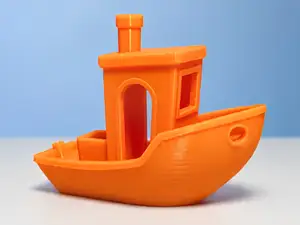
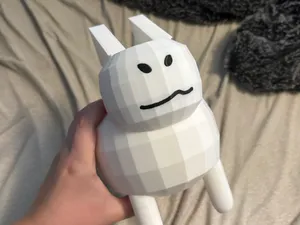
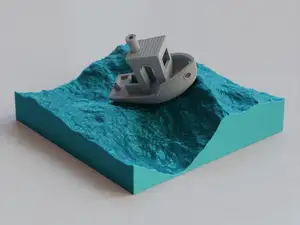
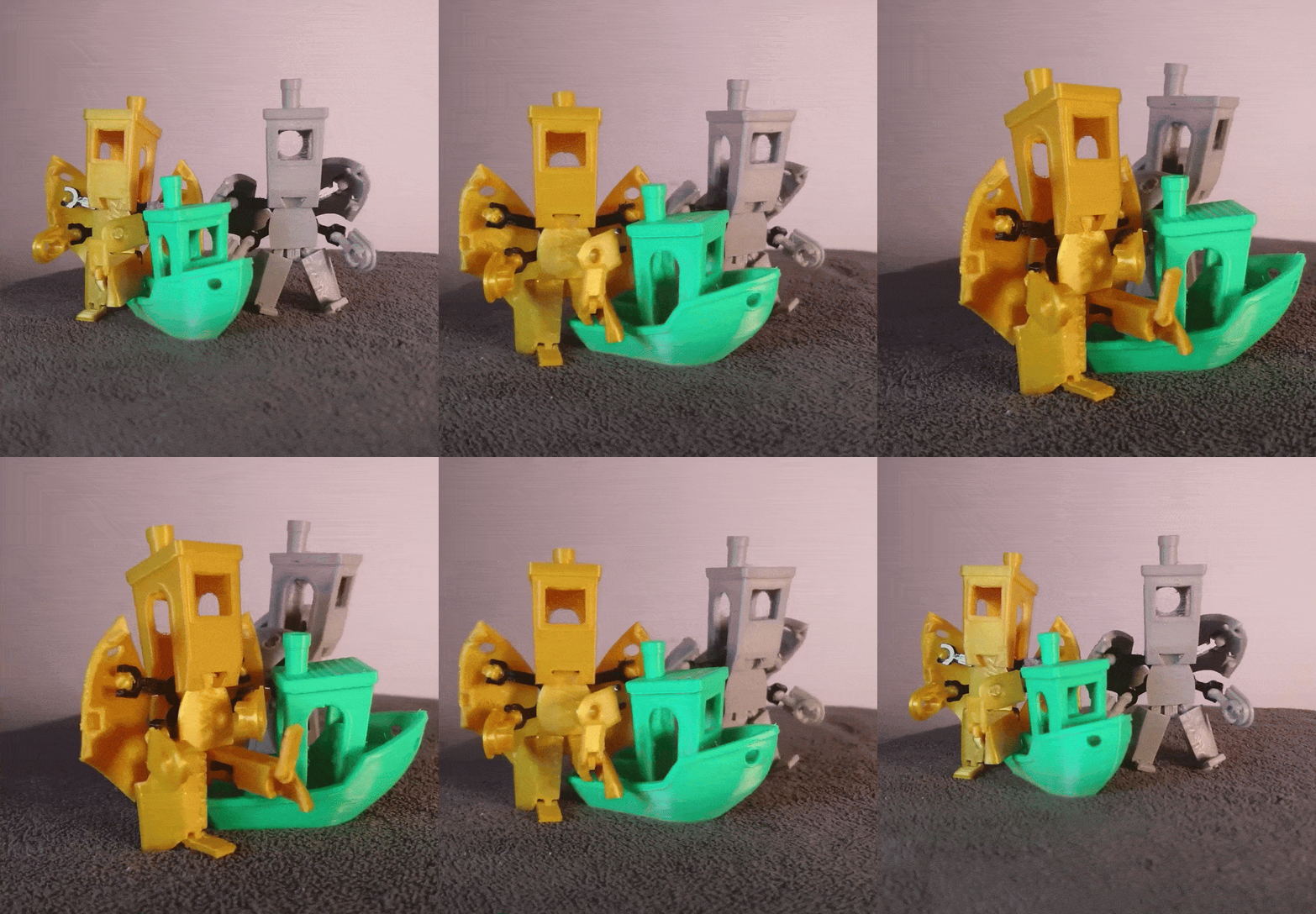
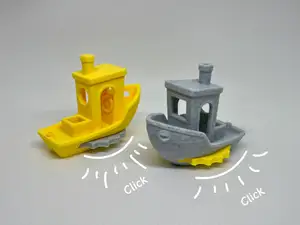
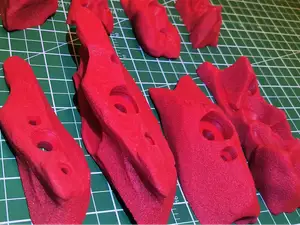

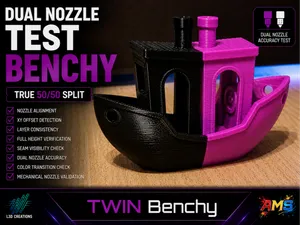
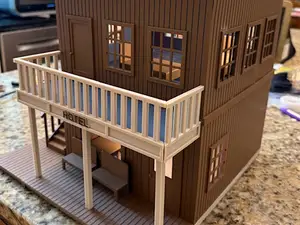
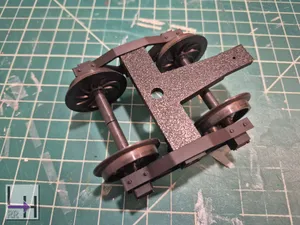
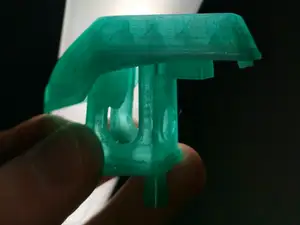
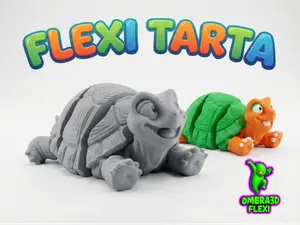
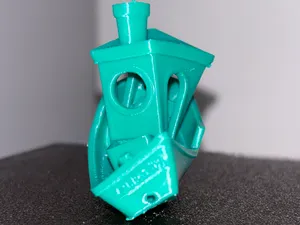
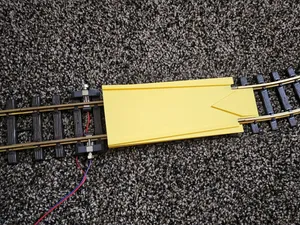
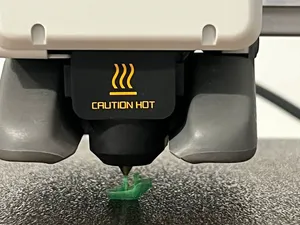
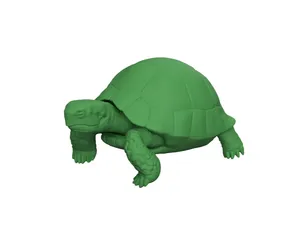
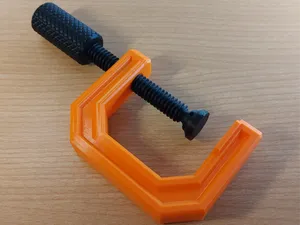
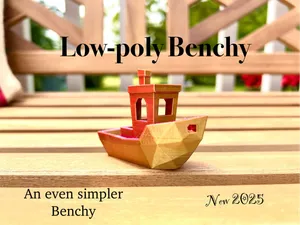
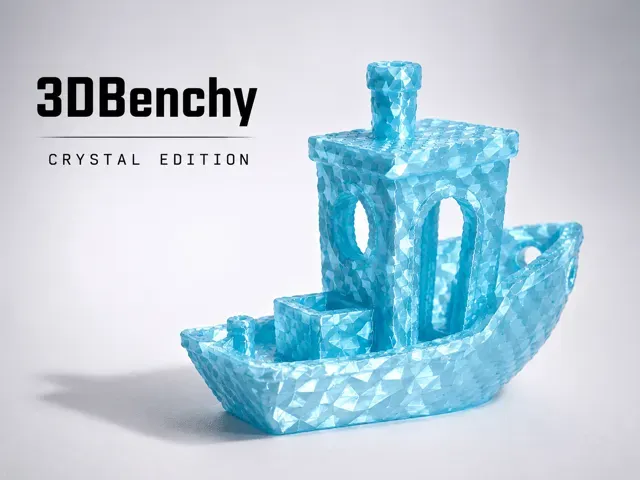
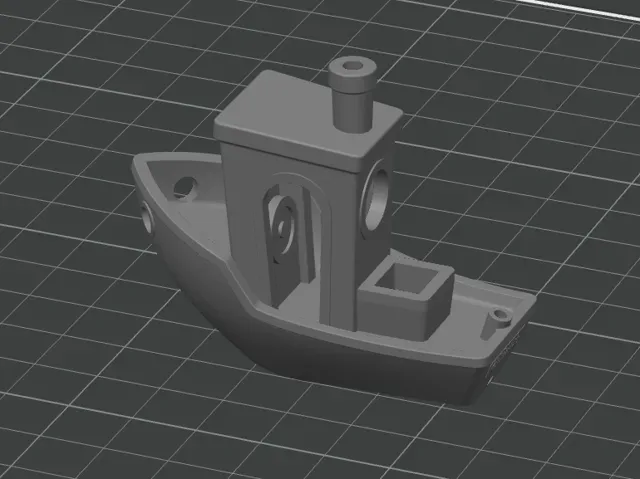
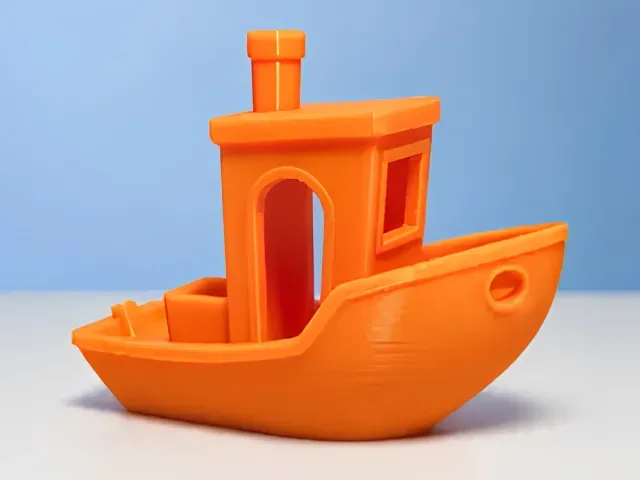
Some entries are small calibration boats and their remixes, including tiny, dual-nozzle or display-oriented versions. Others are articulated or flexi figures that print as moving parts, while a separate group covers model train accessories and workshop clamps. PETG profiles appear as settings rather than objects, so they are useful when you want to tune a material rather than print a shape.
On an author's model page, check the stated size and scale, the number of separate parts, and whether the model needs supports or assembly. For articulated designs, look at the joint clearances and the material the author lists; for train parts, confirm the track gauge or scale. Photos of real prints and any recommended layer height or nozzle size help you judge how the model behaves on your 3D printer.
To narrow the results, try synonyms such as calibration boat, test print, flexi, print-in-place, or material profile. Related topics include nozzle settings, filament profiles, scale model rail accessories, and workshop fixtures. Combining a model type with a material or scale usually returns a more focused set of STL files.


Il catalogo completo dei temi, dalla casa alla lavorazione CNC, con ricerca su tutti i siti collegati.