
Gratis 
Cosplay Calipers
MakerWorld
This collection gathers 3D models made for cosplay: wearable armor sets, helmets and masks, horns and small accessories, wings and hand-held props. Most files are intended for 3D printing on a home 3D printer, in pieces that are later assembled and finished. It is a starting point when you are building a costume and need a base to scale, split or modify. Polyzon does not confirm whether models are free, their price, license, official status, affiliation, safety or fitness. Check the current terms at the source.
Esta colección está escrita en inglés, pero la búsqueda funciona en cualquier idioma.
 Una colección de Polyzon · 48 modelos de 6 plataformas
Polyzon reúne esta colección a partir de los resultados de búsqueda de las plataformas conectadas. Se eliminan los duplicados y los modelos sin vista previa, las coincidencias débiles van al final y el resto mantiene el orden de la búsqueda. Los modelos pertenecen a sus autores: consulta las condiciones en la página de cada modelo.
Criterios de selección: el equipo editorial de Polyzon · Texto actualizado el 13/10/2026


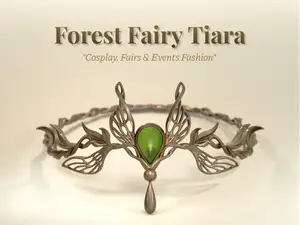

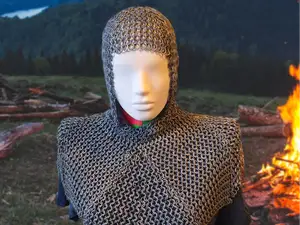


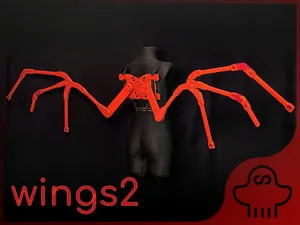
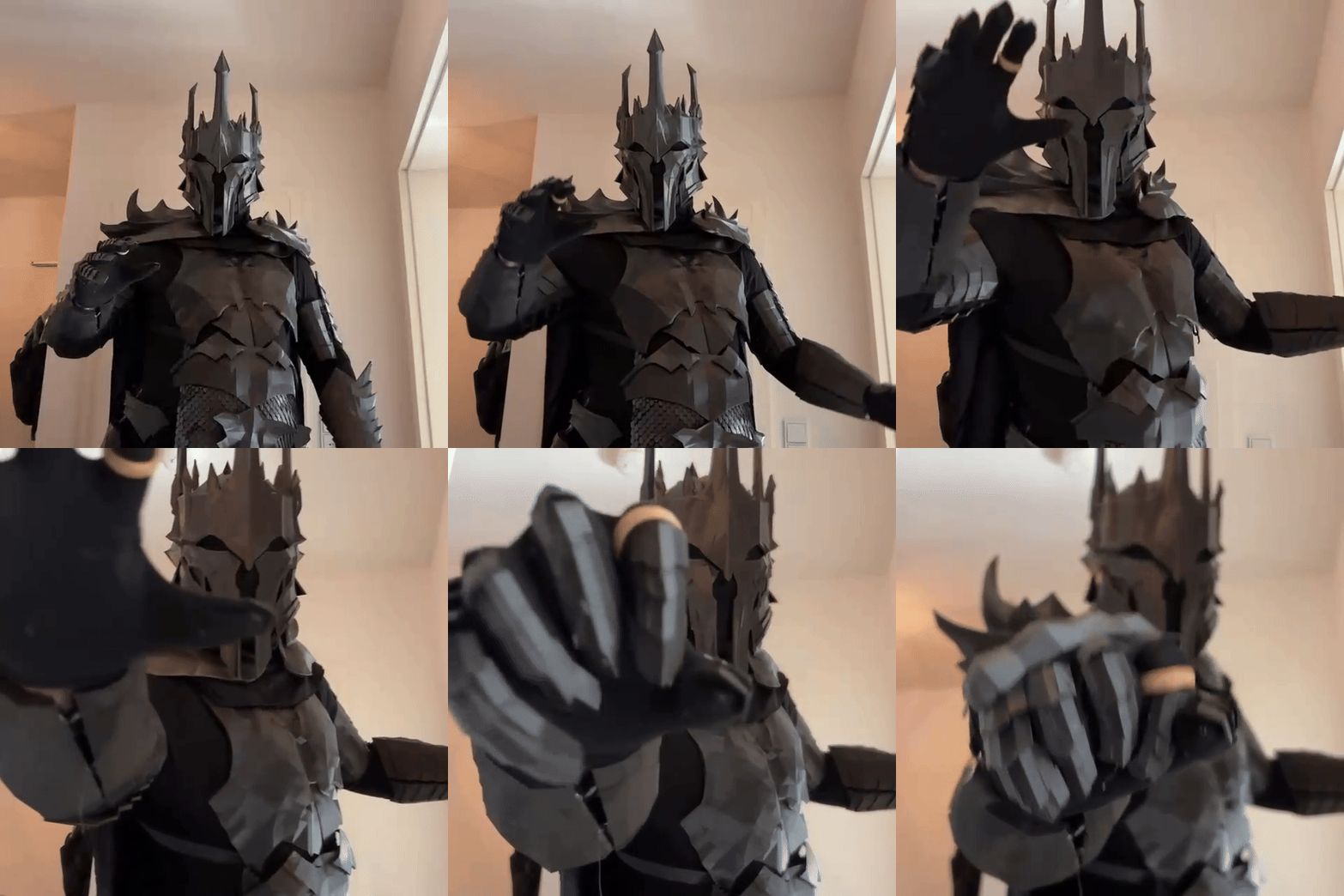
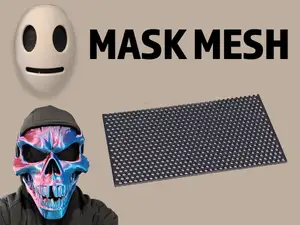


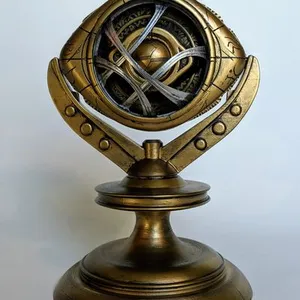
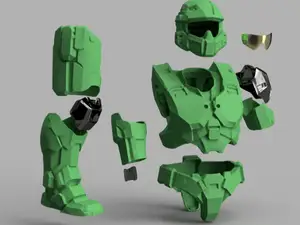


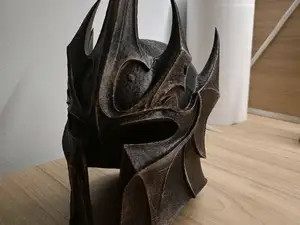
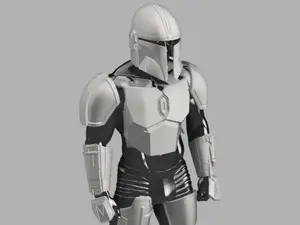
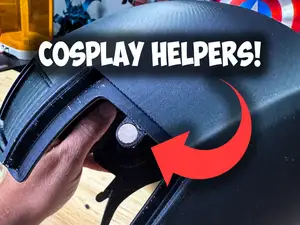
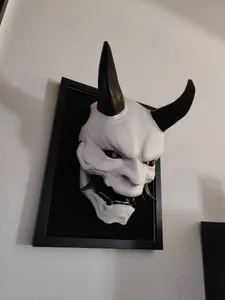

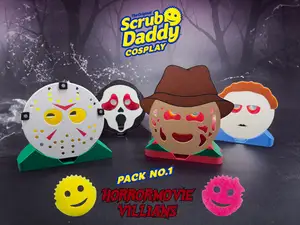


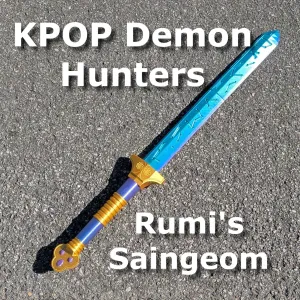


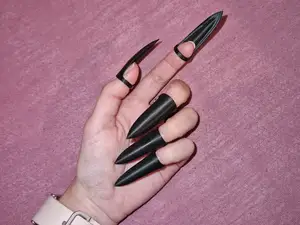
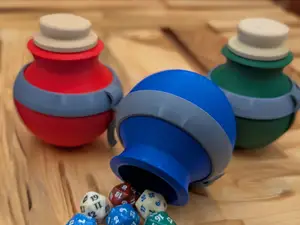
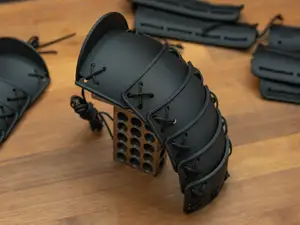
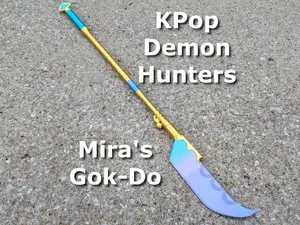

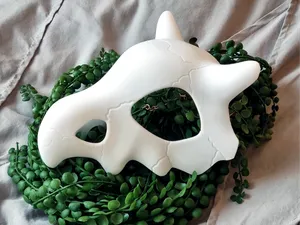
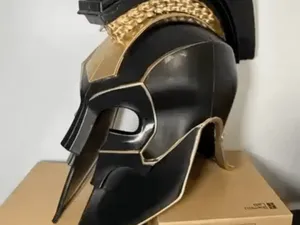
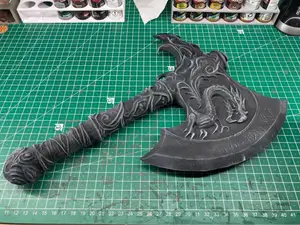
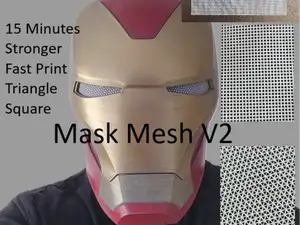


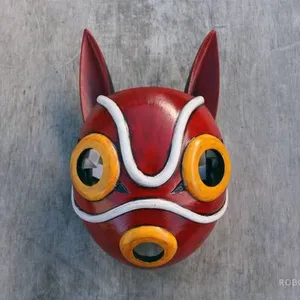
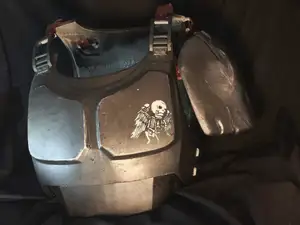
Helmets and masks are among the most common entries, often split into a shell, a visor or eye mesh and a separate back section. Full armor sets go further: they include several plates, straps and connecting parts, so the number of pieces and the way they join matter more than the overall silhouette. Smaller items such as horns, tiaras, hoods, wings and props are usually single or few-part prints that complete a costume rather than define it.
Before printing, look at the dimensions the author lists and compare them with your own measurements; a helmet or a chest plate rarely matches your measurements as exported. Check how many parts a model has, whether supports are needed, and what material and settings the author mentions. Photos of real prints, including unfinished ones, show more about wall thickness and assembly than a render does.
Search terms can be widened or narrowed depending on what you need: costume, prop, replica, armor piece, mask, helmet, horns or wings bring different results. Adding a technique or a genre, such as split-for-print versions, foam-backed builds, fantasy, sci-fi or anime, changes the list as well. Related topics such as miniatures, toys and fandom often contain parts that can be reused in a costume.


El catálogo completo de temáticas, del hogar al CNC, con búsqueda en todas las plataformas conectadas.