
免费 
Cosplay Calipers
MakerWorld
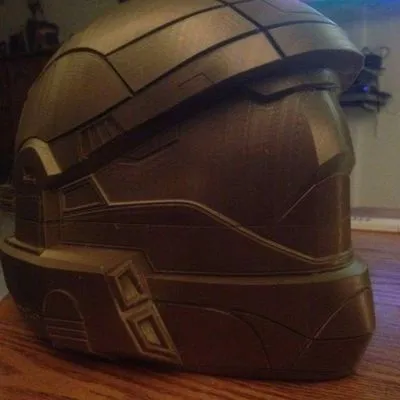
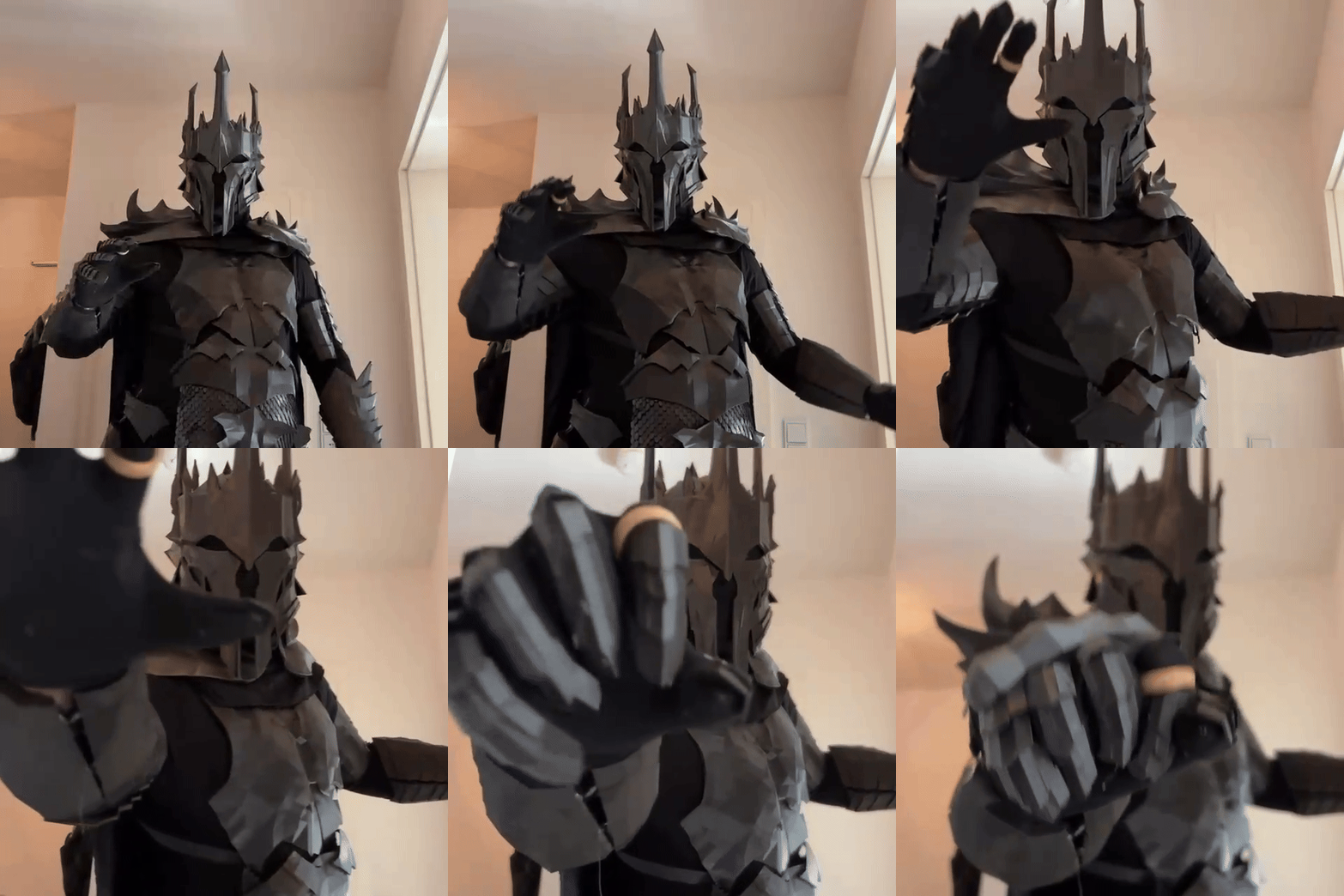
This collection gathers 3D models made for cosplay: wearable armor sets, helmets and masks, horns and small accessories, wings and hand-held props. Most files are intended for 3D printing on a home 3D printer, in pieces that are later assembled and finished. It is a starting point when you are building a costume and need a base to scale, split or modify. Polyzon does not confirm whether models are free, their price, license, official status, affiliation, safety or fitness. Check the current terms at the source.
本合集的文字为英文,搜索本身支持任何语言。
 Polyzon合集 · 48个模型 来自6个平台
此合集由Polyzon根据已接入平台的搜索结果整理而成:去除重复项和没有预览图的模型,匹配度低的排在最后,其余按搜索结果顺序排列。模型归作者所有——请在各模型页面查看使用条款。
筛选规则:Polyzon编辑部 · 文字更新于2026年10月13日




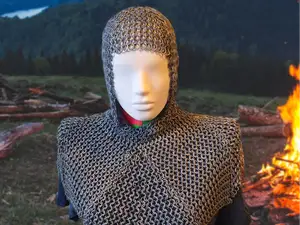


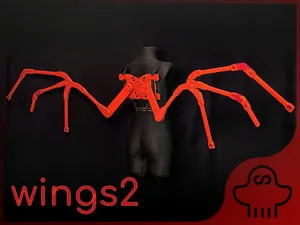
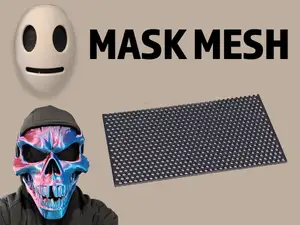


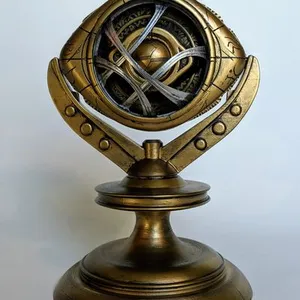
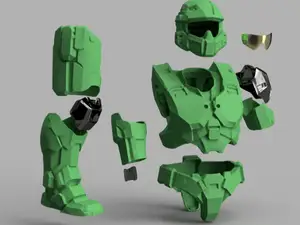


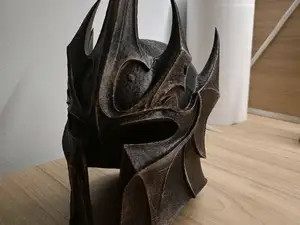
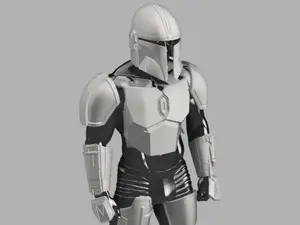
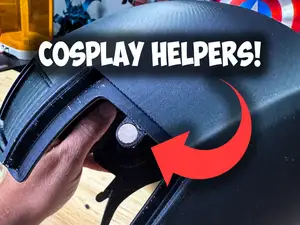
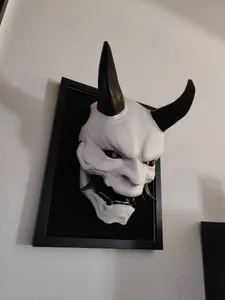





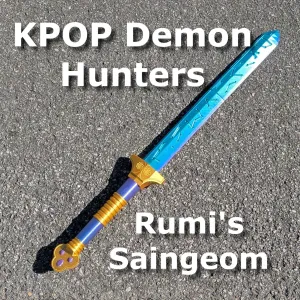


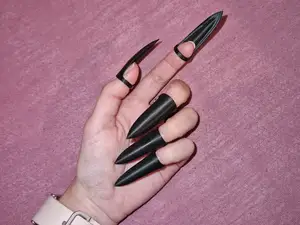
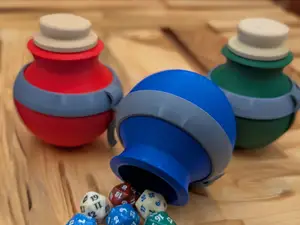
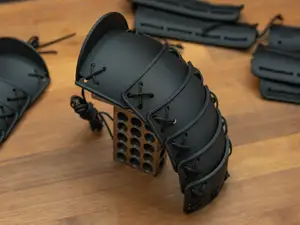
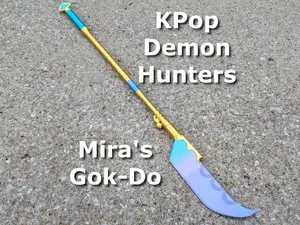


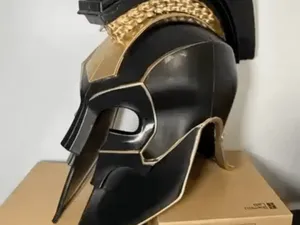
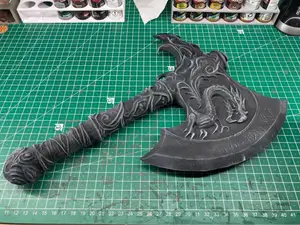
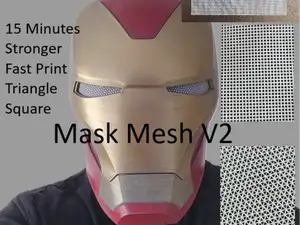


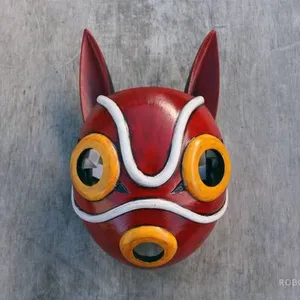
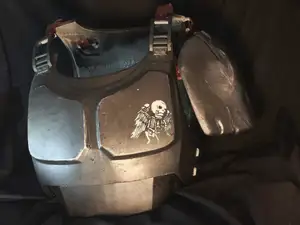
Helmets and masks are among the most common entries, often split into a shell, a visor or eye mesh and a separate back section. Full armor sets go further: they include several plates, straps and connecting parts, so the number of pieces and the way they join matter more than the overall silhouette. Smaller items such as horns, tiaras, hoods, wings and props are usually single or few-part prints that complete a costume rather than define it.
Before printing, look at the dimensions the author lists and compare them with your own measurements; a helmet or a chest plate rarely matches your measurements as exported. Check how many parts a model has, whether supports are needed, and what material and settings the author mentions. Photos of real prints, including unfinished ones, show more about wall thickness and assembly than a render does.
Search terms can be widened or narrowed depending on what you need: costume, prop, replica, armor piece, mask, helmet, horns or wings bring different results. Adding a technique or a genre, such as split-for-print versions, foam-backed builds, fantasy, sci-fi or anime, changes the list as well. Related topics such as miniatures, toys and fandom often contain parts that can be reused in a costume.



完整的主题目录:从家居日用到CNC,均可在已接入的来源平台中搜索。