Gratis 
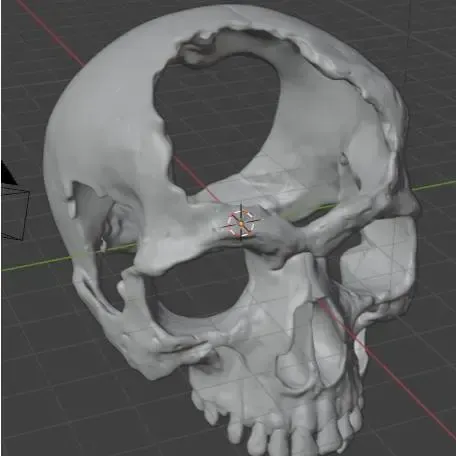
Wireframe Skull Pencil Holder (For The Love of Dog)
Thingiverse
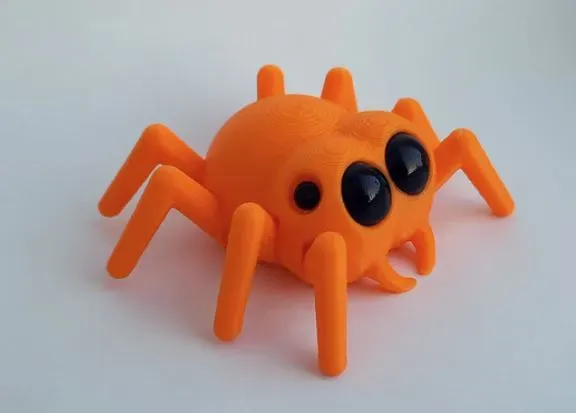
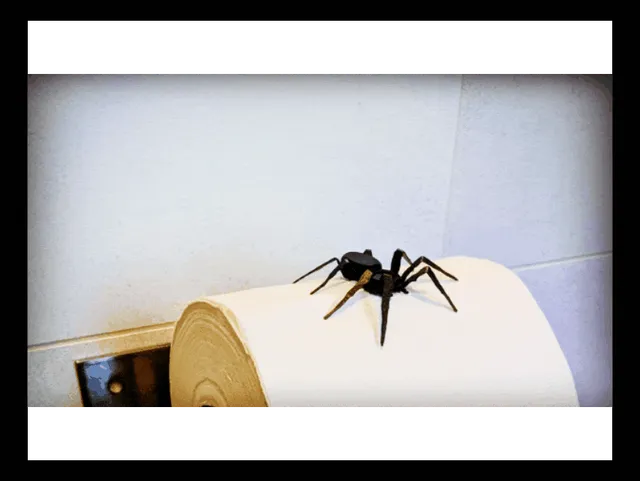
This collection gathers spider-themed 3D models: articulated figures, webs, terrarium hides and seasonal decor. It is useful when you want a small project for a 3D printer that can be scaled, painted or adapted to a specific corner of a shelf or a tank. Polyzon does not confirm whether models are free, their price, license, official status, affiliation, safety or fitness. Check the current terms at the source.
Esta colección está escrita en inglés, pero la búsqueda funciona en cualquier idioma.
 Una colección de Polyzon · 48 modelos de 4 plataformas
Polyzon reúne esta colección a partir de los resultados de búsqueda de las plataformas conectadas. Se eliminan los duplicados y los modelos sin vista previa, las coincidencias débiles van al final y el resto mantiene el orden de la búsqueda. Los modelos pertenecen a sus autores: consulta las condiciones en la página de cada modelo.
Criterios de selección: el equipo editorial de Polyzon · Texto actualizado el 14/10/2026


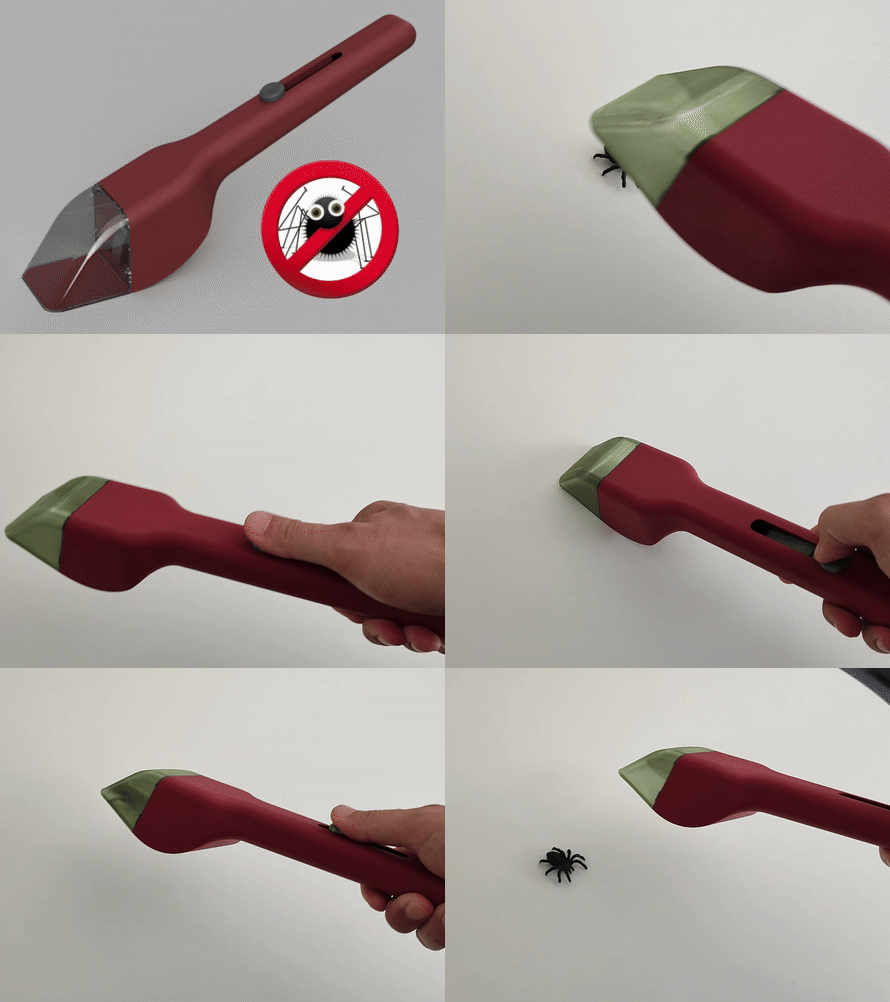
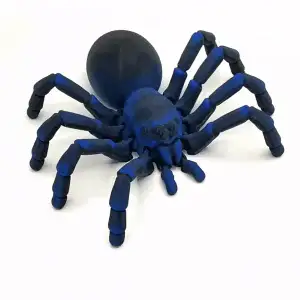

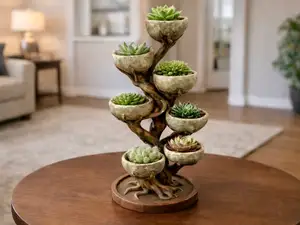
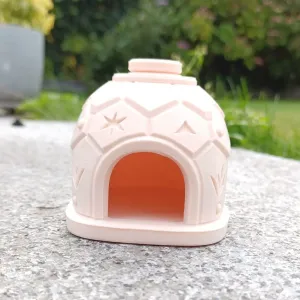


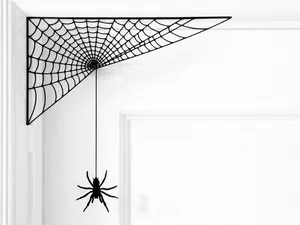
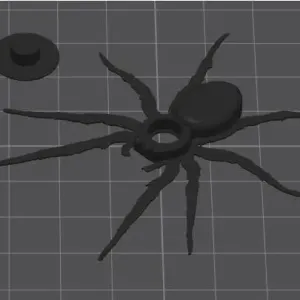

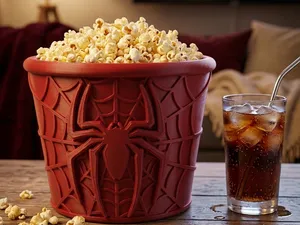
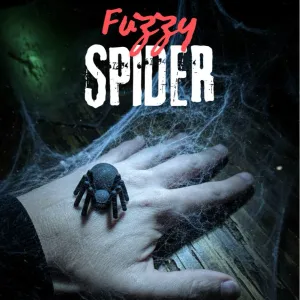

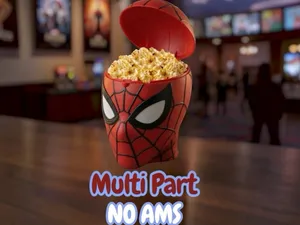
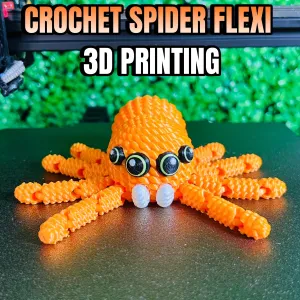

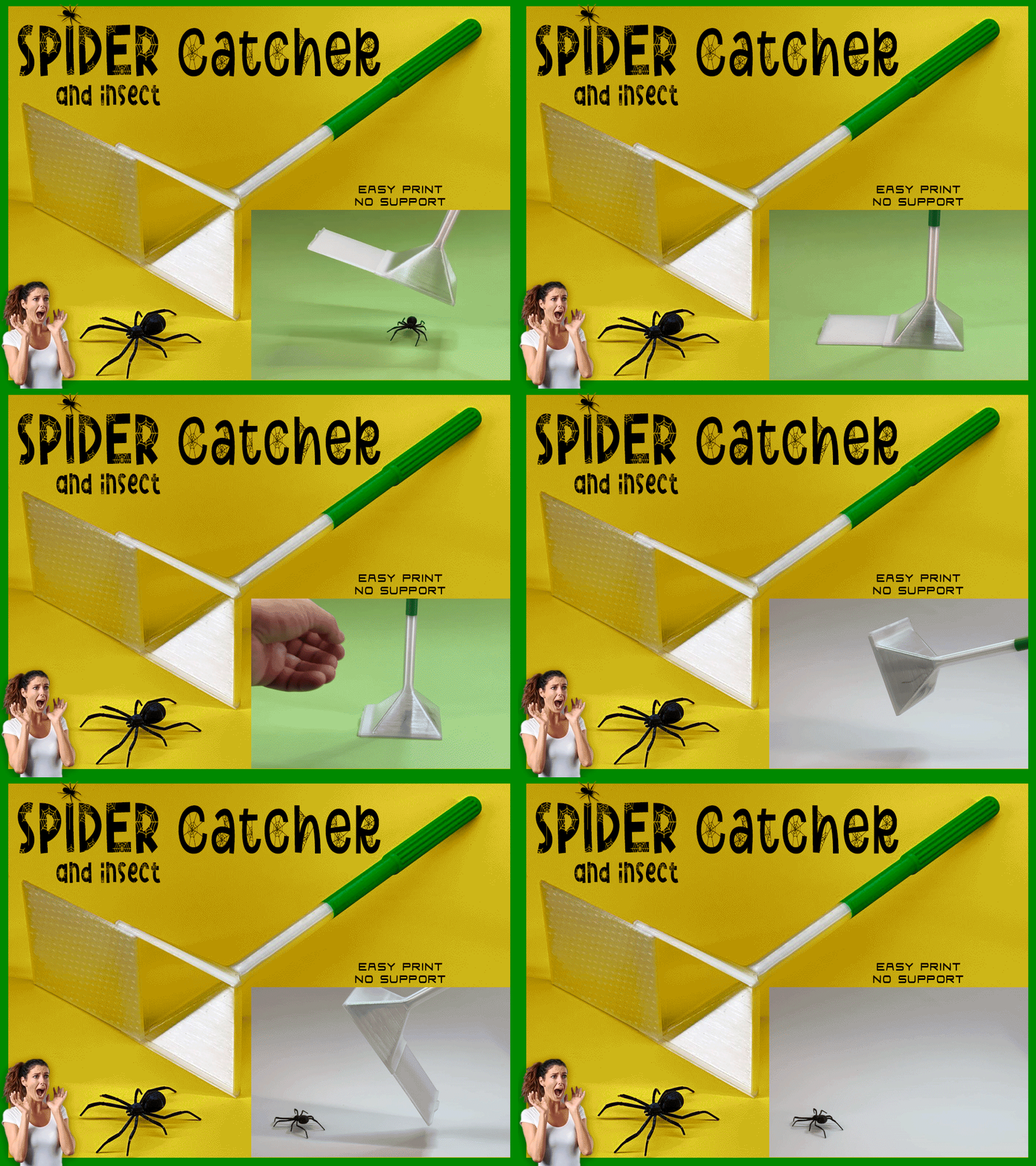
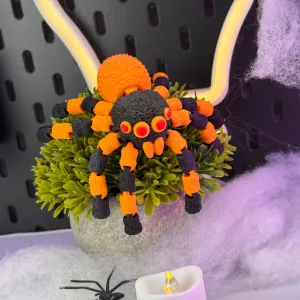

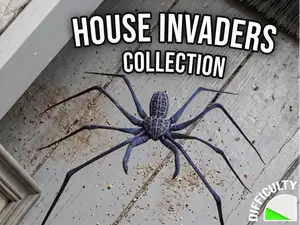
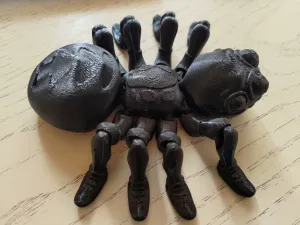

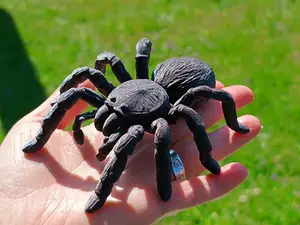
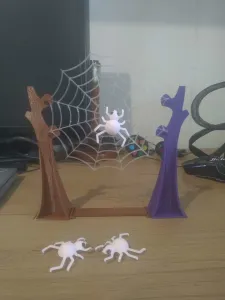

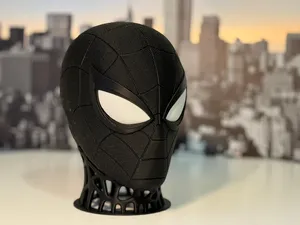
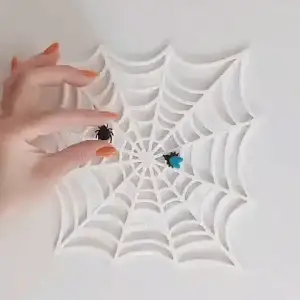

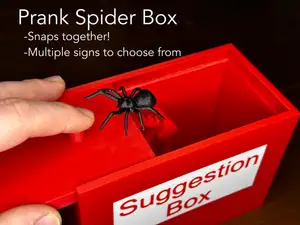
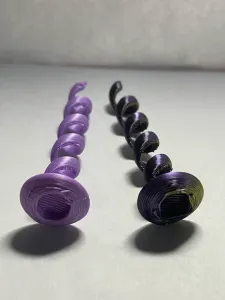

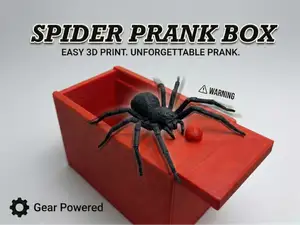
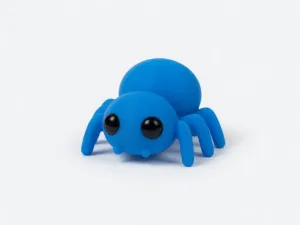

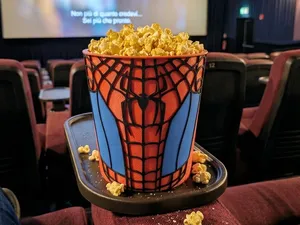
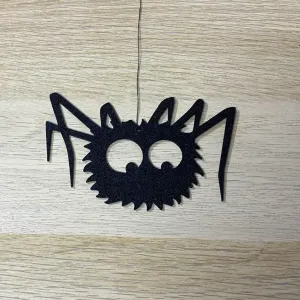

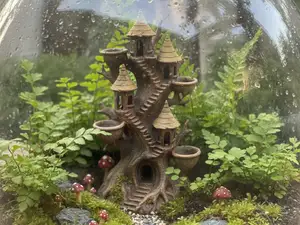
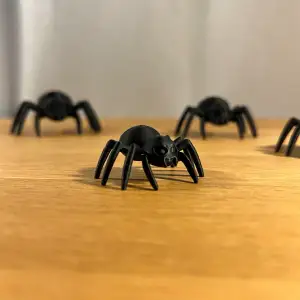

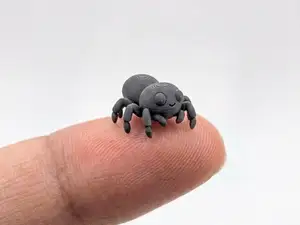
The range splits into a few clear groups. Articulated figures are printed as one piece with joints built into the geometry, while static decor is usually a solid shape that needs paint to look right. Webs are thin, flat or slightly curved pieces, and hides for terrariums are hollow domes or skull-shaped shelters with an opening. Fandom items sit apart: they borrow a spider theme for bowls, keychains and similar objects.
Before printing, open the author's model page and read what is listed there: overall size and scale, number of separate parts, whether supports are needed, and the material and settings the author used. Thin legs and web strands are the parts most sensitive to scale, so check the photos of real prints to see how they came out. If the model is meant for a terrarium, look at how the opening and wall thickness are described, since humidity and cleaning matter more there than on a shelf piece.
Search results widen quickly if you try related wording. Besides the plain term, people use arachnid, tarantula, spiderweb, creepy crawly, Halloween prop, prank, terrarium hide or articulated. Combining a subject with a use — decoration, keychain, bowl, hide, pencil holder — usually narrows the list faster than adding adjectives. Related topics such as scorpions, insects and other small tank animals often return models in the same style.


El catálogo completo de temáticas, del hogar al CNC, con búsqueda en todas las plataformas conectadas.