
Gratis 
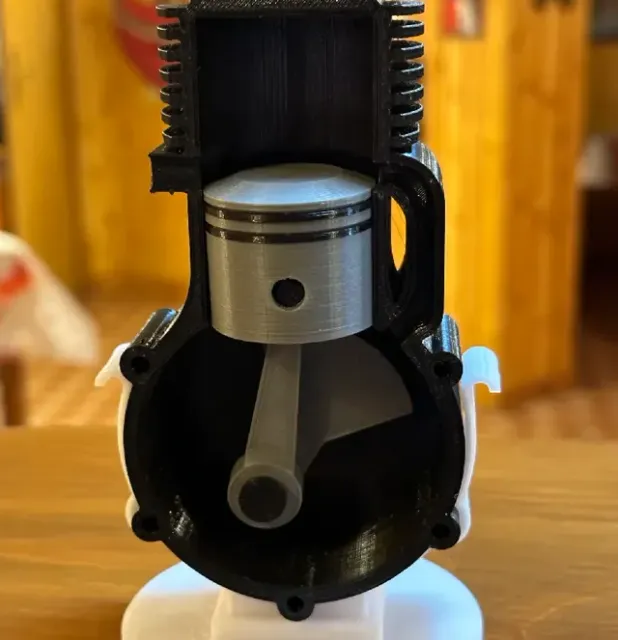
Education material 2 stroke internal combustion engine
MyMiniFactory
This collection gathers 3D models of combustion engines in several layouts: rotary, inline, V-shaped, radial and boxer. Most files are meant for 3D printing as display pieces, study aids or mechanical demonstrations. The range of scales and part counts makes it easy to pick something that matches your 3D printer and the time you want to spend on assembly. Polyzon does not confirm whether models are free, their price, license, official status, affiliation, safety or fitness. Check the current terms at the source.
Esta colección está escrita en inglés, pero la búsqueda funciona en cualquier idioma.
 Una colección de Polyzon · 48 modelos de 7 plataformas
Polyzon reúne esta colección a partir de los resultados de búsqueda de las plataformas conectadas. Se eliminan los duplicados y los modelos sin vista previa, las coincidencias débiles van al final y el resto mantiene el orden de la búsqueda. Los modelos pertenecen a sus autores: consulta las condiciones en la página de cada modelo.
Criterios de selección: el equipo editorial de Polyzon · Texto actualizado el 10/10/2026
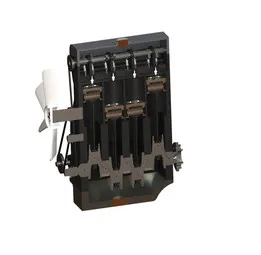

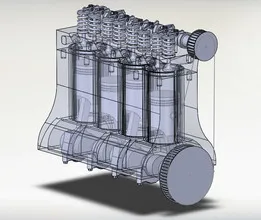


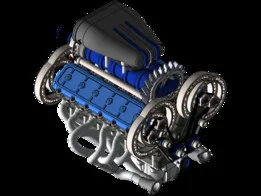

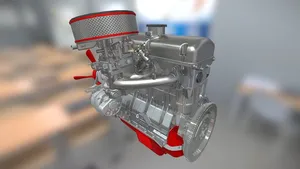

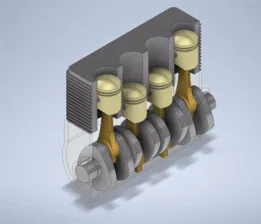
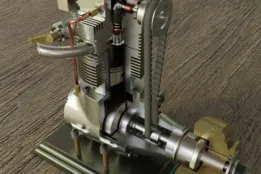

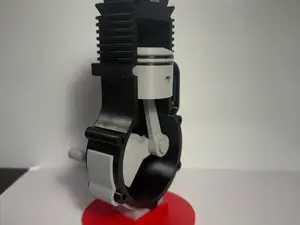
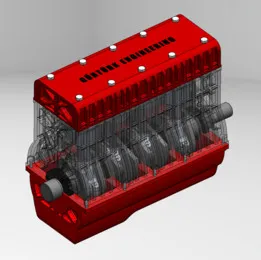
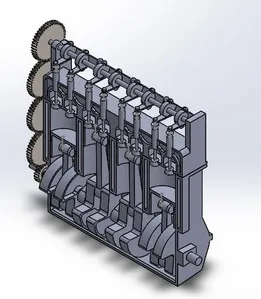
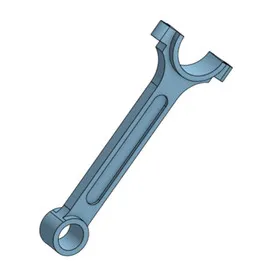

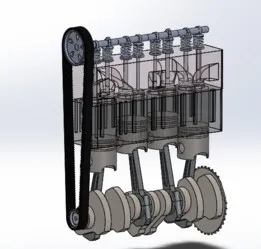
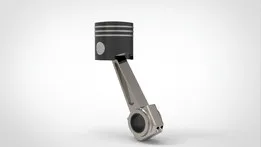
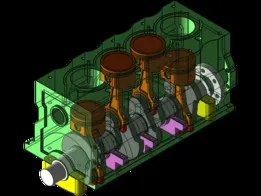
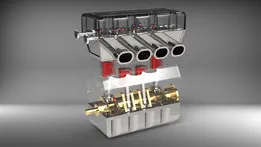

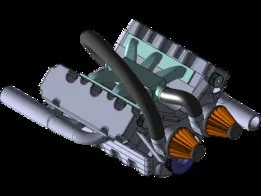
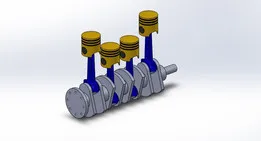
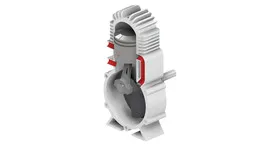
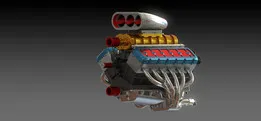

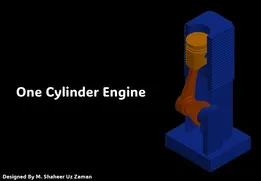
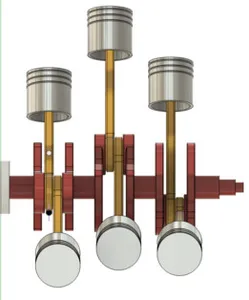
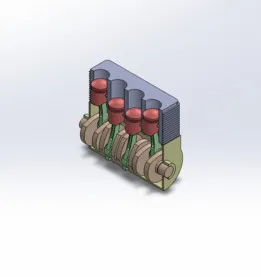
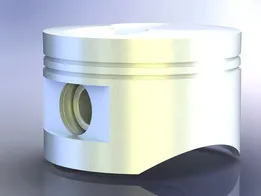

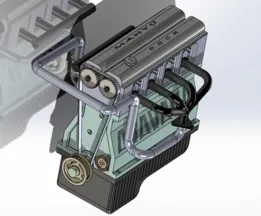
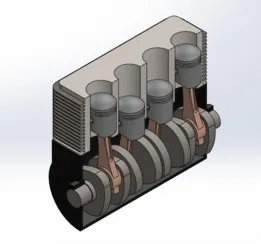
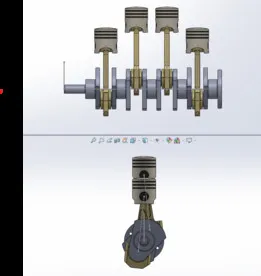

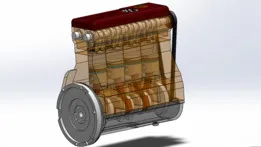
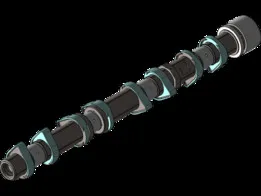
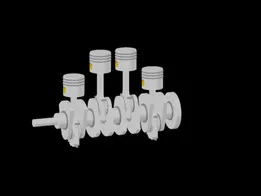

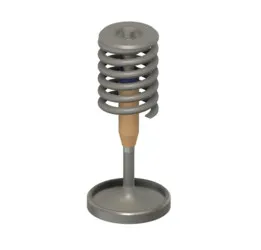
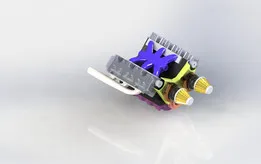
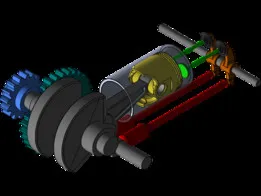
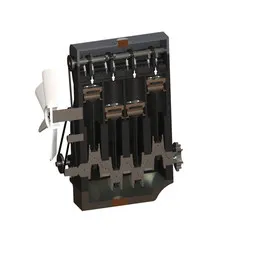
Engine models differ mainly in layout and in how much of the mechanism they show. Rotary designs use a spinning rotor instead of pistons, while inline and V-shaped versions reproduce a familiar cylinder arrangement. Radial and boxer engines stand out by the way their cylinders are placed around or opposite each other, and cutaway versions expose the internal parts rather than hiding them inside a housing.
On the author's model page, look at the stated size and scale, the number of separate parts and how they join, and whether the description mentions support material. Check which material and settings the author lists, since thin fins, shafts and small gears behave differently in different filaments. Photos of real prints are the most useful reference for judging proportions and surface detail before you commit to a long print.
If the results feel narrow, try related wording: piston engine, crankshaft, camshaft, cylinder block, motor mockup, or the name of a layout such as boxer, radial or rotary. Adding a scale or a display purpose to the query helps separate small desk models from larger assemblies. Browsing neighbouring topics like mechanical models, engine stands or workshop props can also surface files that do not use the word engine in the title.




El catálogo completo de temáticas, del hogar al CNC, con búsqueda en todas las plataformas conectadas.