
Gratuit 
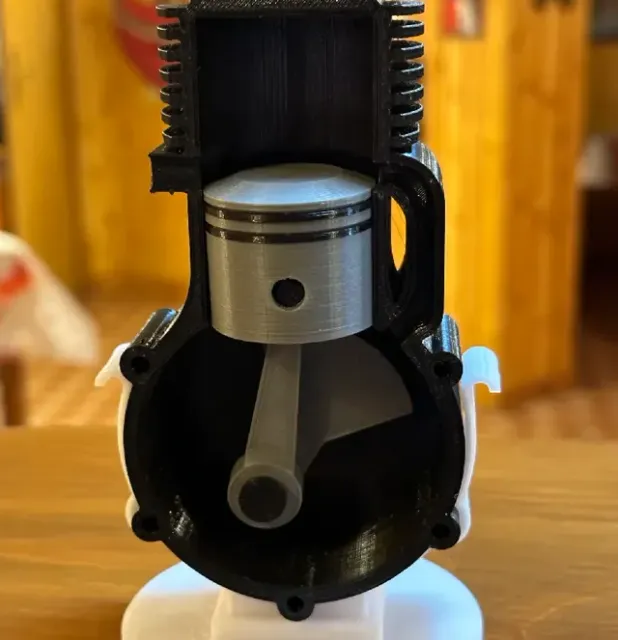
Education material 2 stroke internal combustion engine
MyMiniFactory
This collection gathers 3D models of combustion engines in several layouts: rotary, inline, V-shaped, radial and boxer. Most files are meant for 3D printing as display pieces, study aids or mechanical demonstrations. The range of scales and part counts makes it easy to pick something that matches your 3D printer and the time you want to spend on assembly. Polyzon does not confirm whether models are free, their price, license, official status, affiliation, safety or fitness. Check the current terms at the source.
Le texte de cette collection est rédigé en anglais ; la recherche, elle, fonctionne dans toutes les langues.
 Une collection Polyzon · 48 modèles sur 7 plateformes
Polyzon compose cette collection à partir des résultats de recherche des plateformes connectées. Les doublons et les modèles sans aperçu sont retirés, les correspondances faibles sont placées à la fin, et le reste suit l’ordre de la recherche. Les modèles appartiennent à leurs auteurs : consultez les conditions sur la page de chaque modèle.
Règles de sélection : la rédaction de Polyzon · Texte mis à jour le 10/10/2026
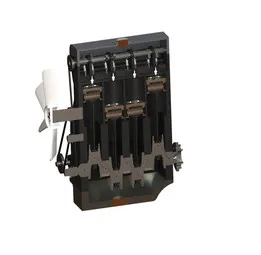

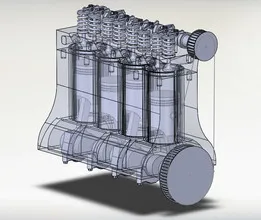


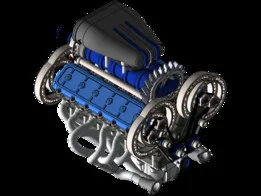

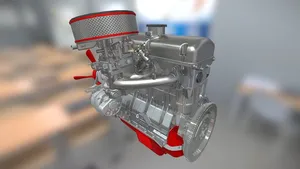

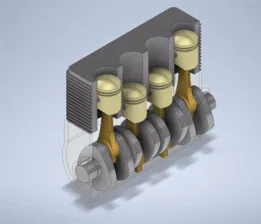
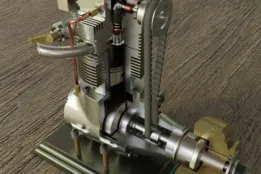

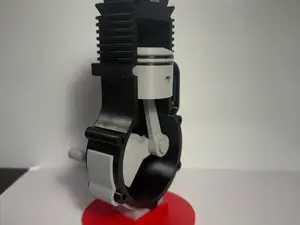
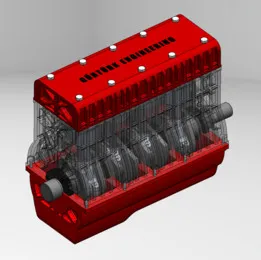
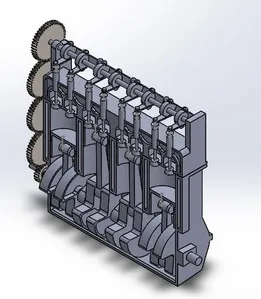
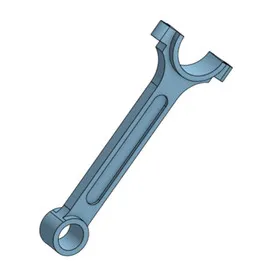

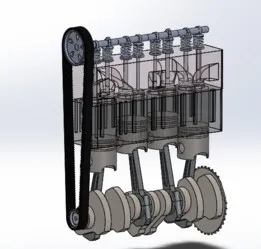
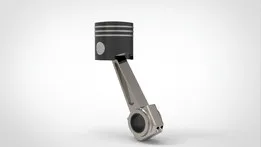
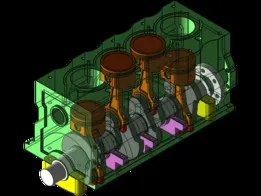
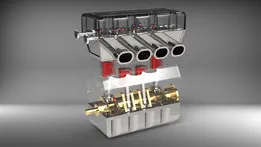

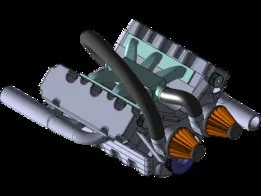
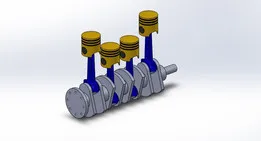
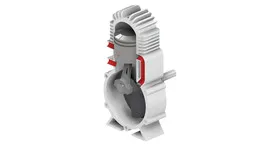
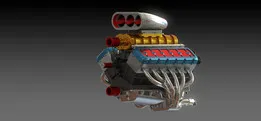

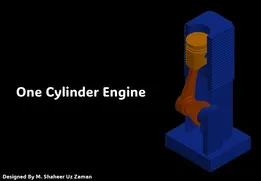
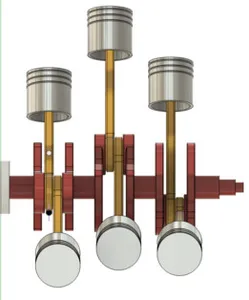
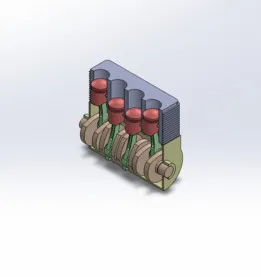
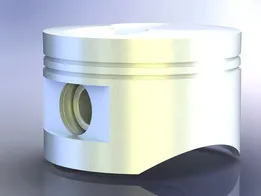

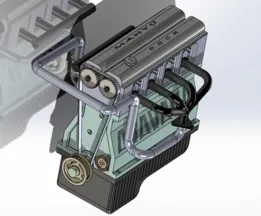
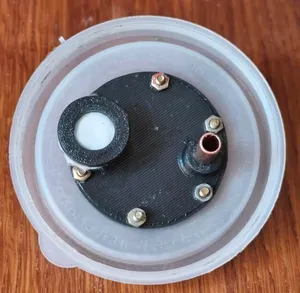
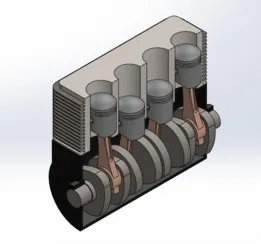
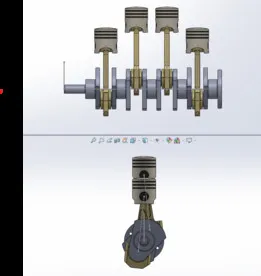

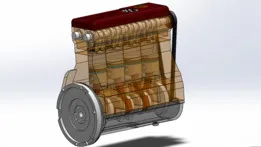
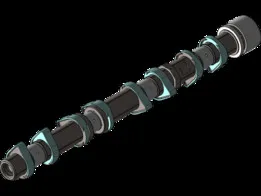
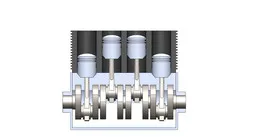
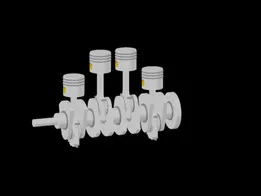

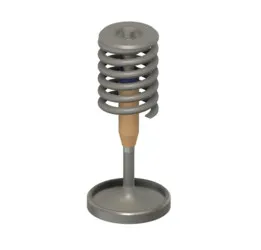
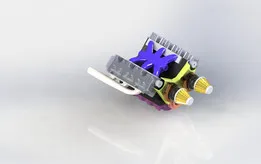
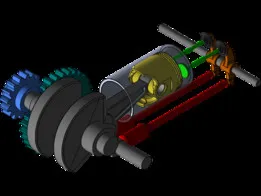
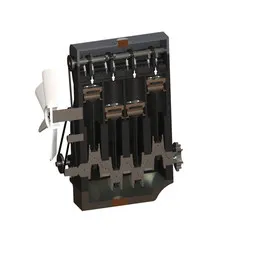
Engine models differ mainly in layout and in how much of the mechanism they show. Rotary designs use a spinning rotor instead of pistons, while inline and V-shaped versions reproduce a familiar cylinder arrangement. Radial and boxer engines stand out by the way their cylinders are placed around or opposite each other, and cutaway versions expose the internal parts rather than hiding them inside a housing.
On the author's model page, look at the stated size and scale, the number of separate parts and how they join, and whether the description mentions support material. Check which material and settings the author lists, since thin fins, shafts and small gears behave differently in different filaments. Photos of real prints are the most useful reference for judging proportions and surface detail before you commit to a long print.
If the results feel narrow, try related wording: piston engine, crankshaft, camshaft, cylinder block, motor mockup, or the name of a layout such as boxer, radial or rotary. Adding a scale or a display purpose to the query helps separate small desk models from larger assemblies. Browsing neighbouring topics like mechanical models, engine stands or workshop props can also surface files that do not use the word engine in the title.




Le catalogue complet des thèmes, de la maison à la CNC, avec une recherche sur tous les sites connectés.