Gratis 
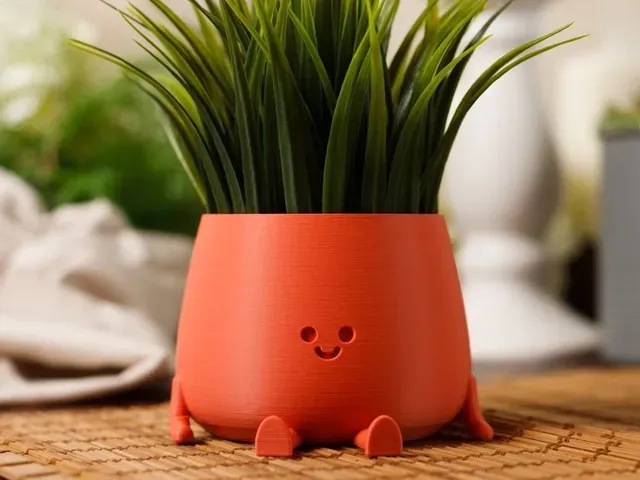
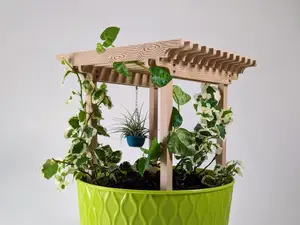
David flowerpot
Thingiverse
This collection gathers 3D models of flowerpots and planters, from plain round pots with saucers to geometric, novelty and wall-mounted shapes. Most files are made for a standard FDM 3D printer, and several are drawn as single-wall designs that print quickly. It is a starting point if you want a container sized to a specific plant rather than a shop-bought one. Polyzon does not confirm whether models are free, their price, license, official status, affiliation, safety or fitness. Check the current terms at the source.
Esta colección está escrita en inglés, pero la búsqueda funciona en cualquier idioma.
 Una colección de Polyzon · 48 modelos de 4 plataformas
Polyzon reúne esta colección a partir de los resultados de búsqueda de las plataformas conectadas. Se eliminan los duplicados y los modelos sin vista previa, las coincidencias débiles van al final y el resto mantiene el orden de la búsqueda. Los modelos pertenecen a sus autores: consulta las condiciones en la página de cada modelo.
Criterios de selección: el equipo editorial de Polyzon · Texto actualizado el 14/10/2026


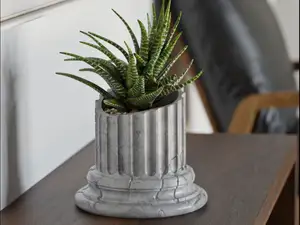
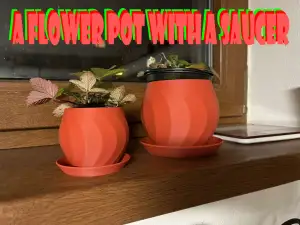

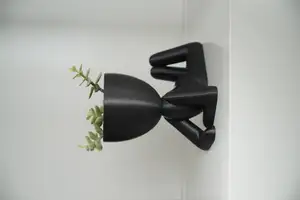
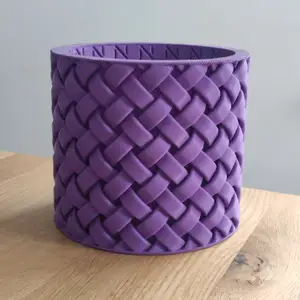
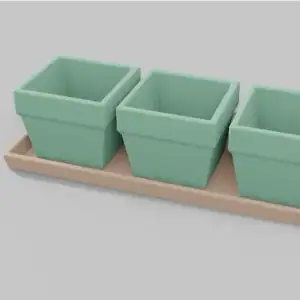

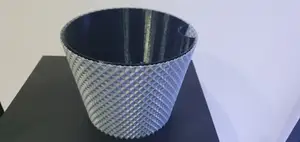
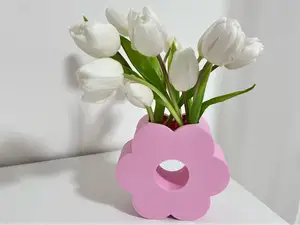
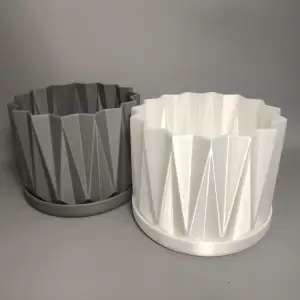

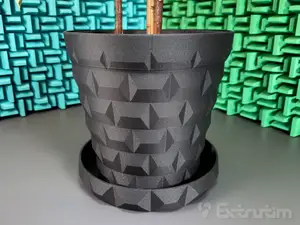
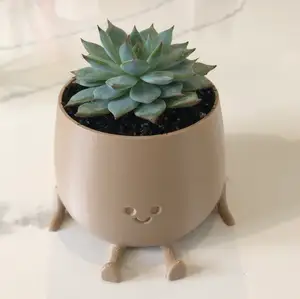
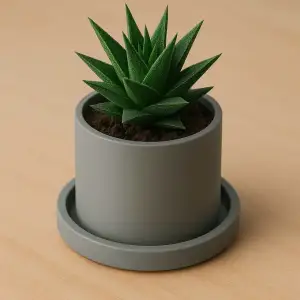

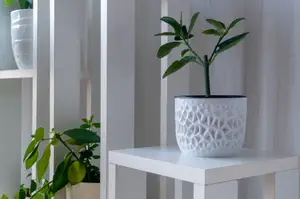
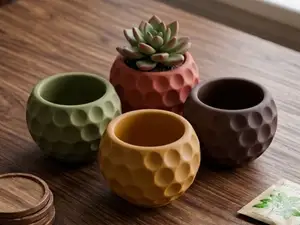


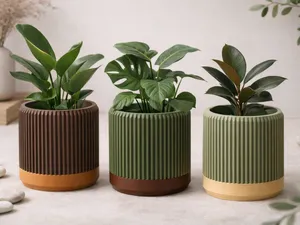
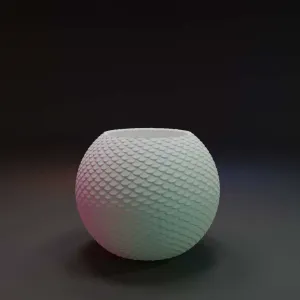

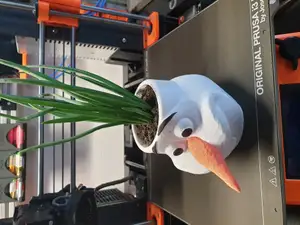
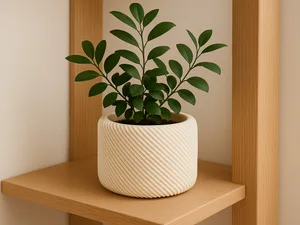
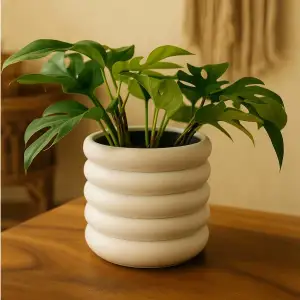

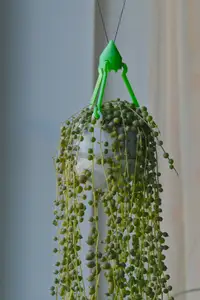
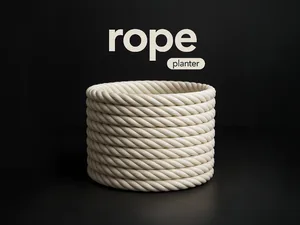
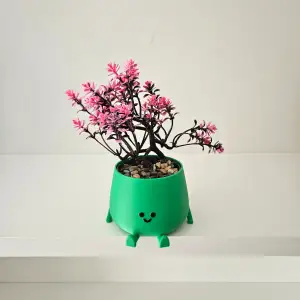

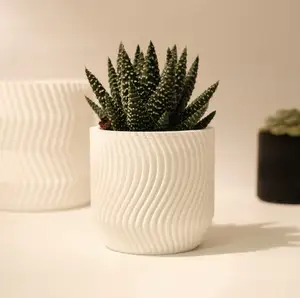
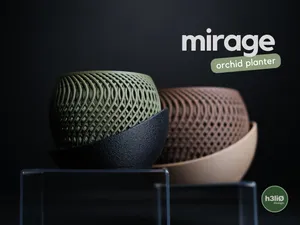
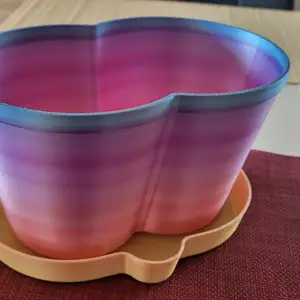

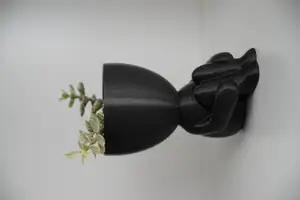
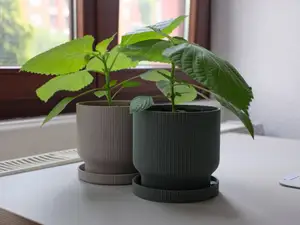
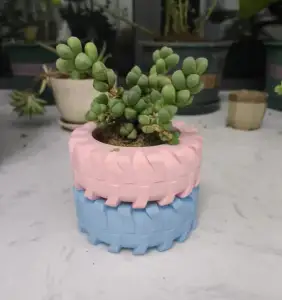

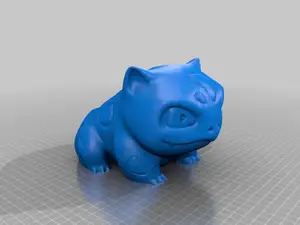
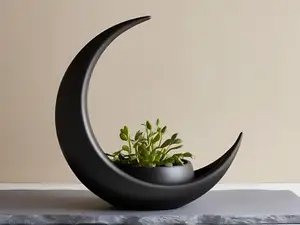
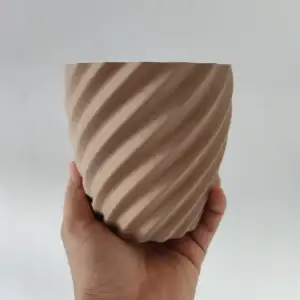
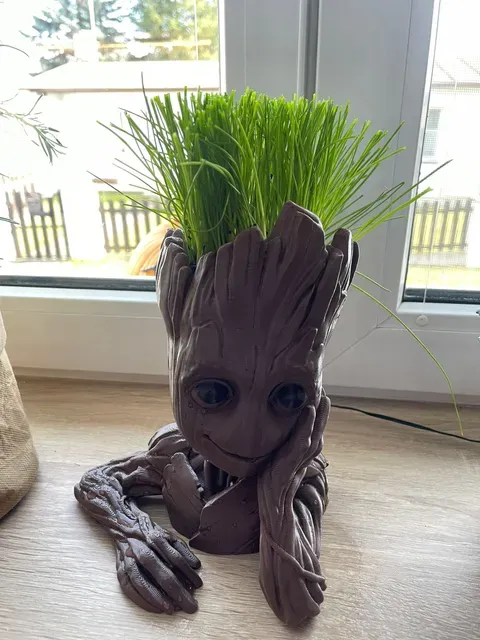
The range splits roughly into a few groups. Classic round pots and their saucers are the simplest to scale, while modern geometric planters trade a plain profile for faceted or wavy walls. Novelty and character pots add a sculpted outer shell, and small indoor versions are drawn for a single succulent or cutting. Single-wall vase-mode pots use the least material and print in one continuous spiral.
Before printing, open the author's model page and read what is listed there: outer diameter, height, wall thickness, whether the file is split into pot and saucer, and whether supports are needed. A pot that holds soil and water benefits from a wall thick enough for the material you use, and drainage holes or an inner liner change how the part behaves. Check the photos of real prints to judge surface quality on the outer wall and how the base sits.
If the results are too narrow, try other words for the same object: planter, plant pot, cachepot, pot with saucer, or self-watering pot. Related searches such as wall planter, hanging pot, propagation station or seed starter bring up shapes that a plain flowerpot query misses. Adding a size or style word, for example small, large, round or faceted, narrows the list further.
A few practical points decide whether a printed pot works in the place you have in mind. Watertightness depends on wall count and material, so a pot meant for wet soil is usually printed with more perimeters than a decorative sleeve. Weight matters for wall-mounted and hanging versions, where the mounting point and the load of damp soil are the limiting factors. Scale the model to the plant's root ball, not to the shelf.



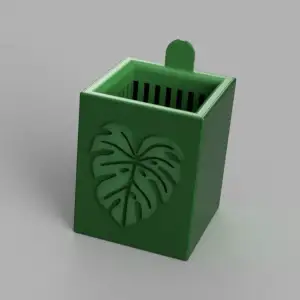
El catálogo completo de temáticas, del hogar al CNC, con búsqueda en todas las plataformas conectadas.