
Gratis 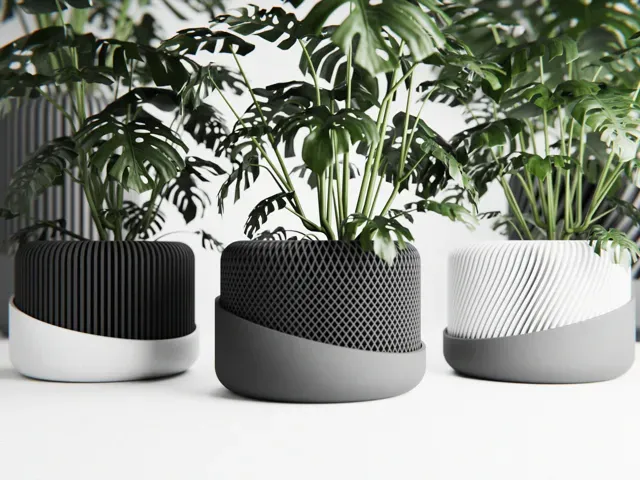
Japandi Plant Pot (3 versions, automatic watering)
MakerWorld
This collection gathers self-watering pot and vase designs for 3D printing, from reservoir planters to vase-mode shells and decorative hybrids. You can compare how each model handles water storage, wick placement, and surface finish before opening an STL file. The range covers compact desktop forms as well as larger planter shapes. Polyzon does not confirm whether models are free, their price, license, official status, affiliation, safety or fitness. Check the current terms at the source.
Esta colección está escrita en inglés, pero la búsqueda funciona en cualquier idioma.
 Una colección de Polyzon · 48 modelos de 5 plataformas
Polyzon reúne esta colección a partir de los resultados de búsqueda de las plataformas conectadas. Se eliminan los duplicados y los modelos sin vista previa, las coincidencias débiles van al final y el resto mantiene el orden de la búsqueda. Los modelos pertenecen a sus autores: consulta las condiciones en la página de cada modelo.
Criterios de selección: el equipo editorial de Polyzon · Texto actualizado el 13/10/2026
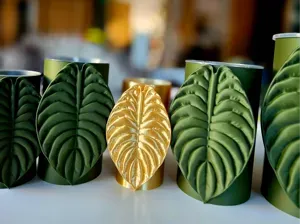


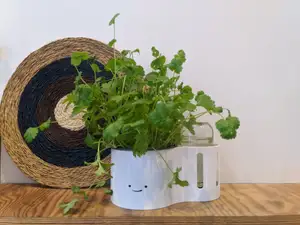

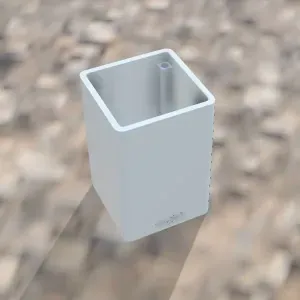
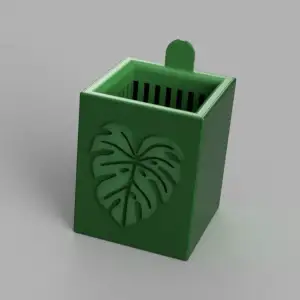


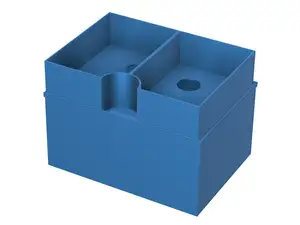
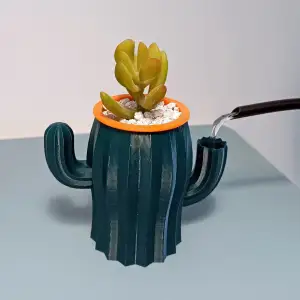
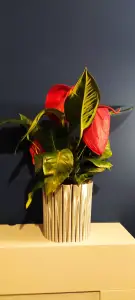


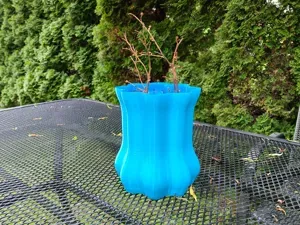


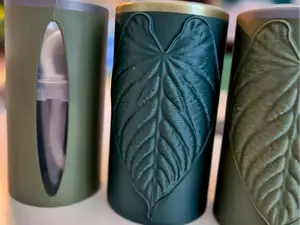
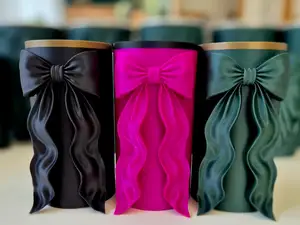
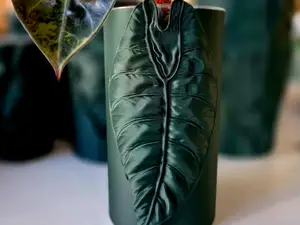
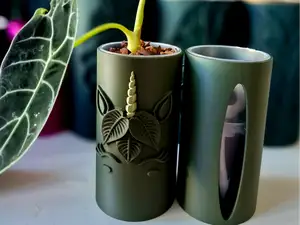
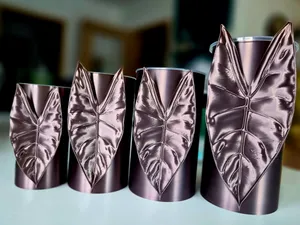
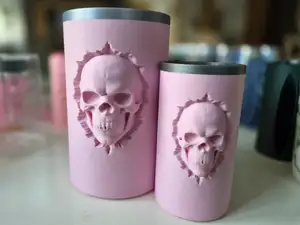
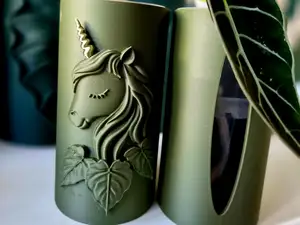

Common groups include flower pots with an inner reservoir, vase-mode planters with thin spiral walls, and decorative vase-pot hybrids. Some designs target orchids, cacti, or bonsai, while others use an insert or jar as the water chamber. The main differences are the water path, the number of printed parts, and whether the outer shell is meant to be visible.
On the author's model page, check the listed size and scale, the number of parts, and whether supports are needed. Look for the material and settings the author lists, plus photos of real prints, because wall thickness and layer height affect how water moves through a vase-mode shell. If the design uses a wick or capillary channel, confirm how it is assembled and how the reservoir is refilled.
To narrow results, try synonyms such as self-watering planter, capillary pot, water reservoir pot, and vase-mode planter. Related searches include orchid pot, cactus pot, bonsai planter, and decorative flower vase. Combining a plant type with a form or printing method often gives a more focused set of STL files.


El catálogo completo de temáticas, del hogar al CNC, con búsqueda en todas las plataformas conectadas.