
Gratis 
Battlestar Galactica Board game Model
Thingiverse
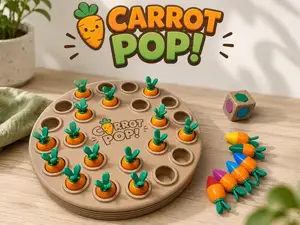
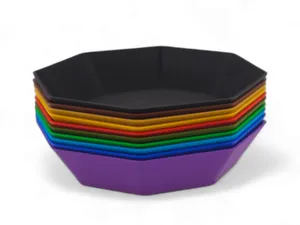
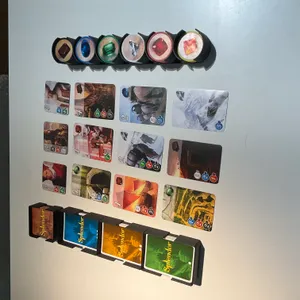
This collection gathers 3D models made for board games and tabletop sessions: playing pieces, miniatures, scenery and whole sets. It helps when a component is missing from the box or when you want to replace it with something of your own. Most files are prepared for 3D printing at small scale, so a resin or fine-nozzle 3D printer is often the practical choice. Polyzon does not confirm whether models are free, their price, license, official status, affiliation, safety or fitness. Check the current terms at the source.
Esta colección está escrita en inglés, pero la búsqueda funciona en cualquier idioma.
 Una colección de Polyzon · 48 modelos de 9 plataformas
Polyzon reúne esta colección a partir de los resultados de búsqueda de las plataformas conectadas. Se eliminan los duplicados y los modelos sin vista previa, las coincidencias débiles van al final y el resto mantiene el orden de la búsqueda. Los modelos pertenecen a sus autores: consulta las condiciones en la página de cada modelo.
Criterios de selección: el equipo editorial de Polyzon · Texto actualizado el 10/10/2026





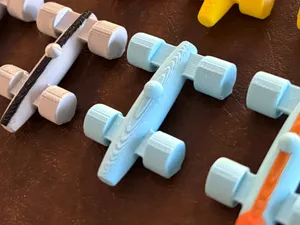
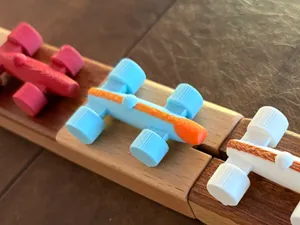
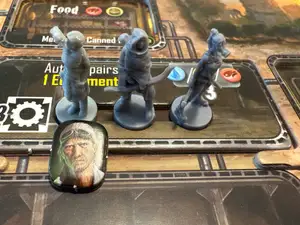


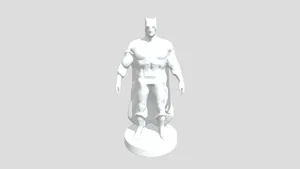
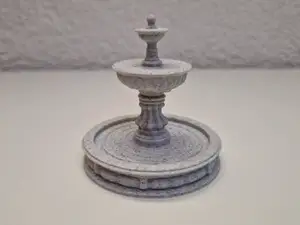
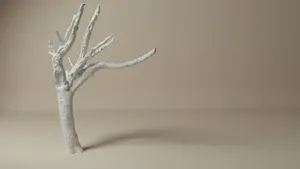





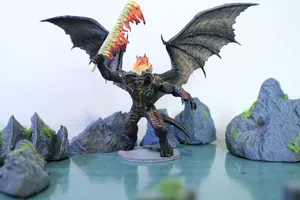

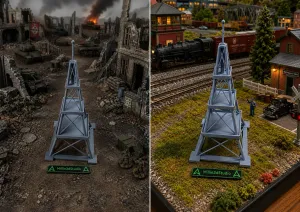


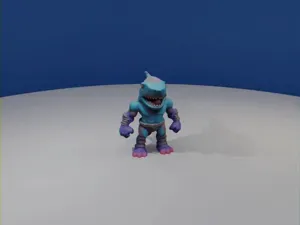

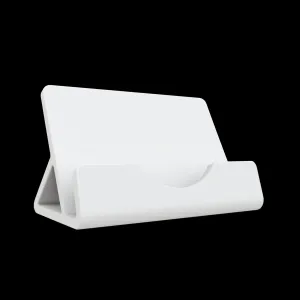


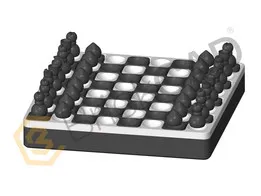
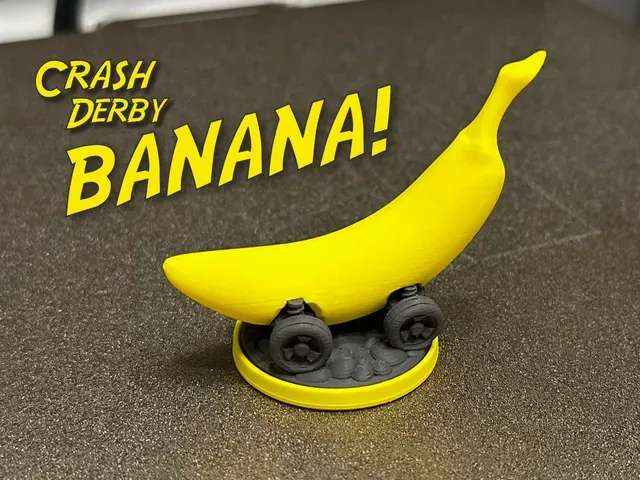
The range covers several jobs at the table. Tokens and playing pieces stand in for cars, markers or counters, while character miniatures fill skirmish and wargame squads. Scenery items such as trees, fountains and diorama parts build the surroundings, and some entries reproduce an entire set or board. Expansion components form a separate group: they match a specific game box and add figures or markers to it.
Scale is the first thing to check on the author's model page, since a figure sized for one game may be far too large or small for another. Look at the number of parts and whether assembly is required, and read the author's notes on supports, layer height and material. Photos of real prints show how thin details such as stripes, faces or small props come out. For tokens that get handled a lot, thicker walls and a slightly larger base usually hold up better.
Search results improve when you describe the role of the piece rather than the game. Terms like token, marker, playing piece, miniature, proxy, scatter terrain or diorama part return different sets of files. Adding a scale such as 28 mm or 32 mm narrows miniatures, and words like chess, checkers or dice tower lead to complete sets. Related topics worth trying are wargaming scenery, model trees, vehicle miniatures and game storage inserts.



El catálogo completo de temáticas, del hogar al CNC, con búsqueda en todas las plataformas conectadas.