

Paga lo que quieras 
Бочка с топливом - настольные игры Warhammer 40k/30k/Necromunda/dark sci-fi
Cults3D
This collection gathers 3D models made for tabletop games: character and creature miniatures, counters, dice, terrain and ships. Most files are meant for resin or filament 3D printing at a small scale, so a 3D printer with a fine nozzle or a resin setup is the usual starting point. The range covers both single figures and scenery that fills out a game board. Polyzon does not confirm whether models are free, their price, license, official status, affiliation, safety or fitness. Check the current terms at the source.
Esta colección está escrita en inglés, pero la búsqueda funciona en cualquier idioma.
 Una colección de Polyzon · 48 modelos de 7 plataformas
Polyzon reúne esta colección a partir de los resultados de búsqueda de las plataformas conectadas. Se eliminan los duplicados y los modelos sin vista previa, las coincidencias débiles van al final y el resto mantiene el orden de la búsqueda. Los modelos pertenecen a sus autores: consulta las condiciones en la página de cada modelo.
Criterios de selección: el equipo editorial de Polyzon · Texto actualizado el 11/10/2026


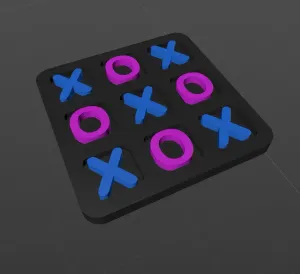

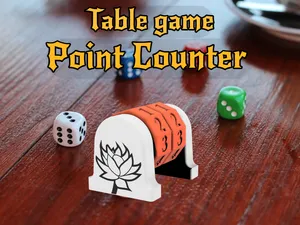


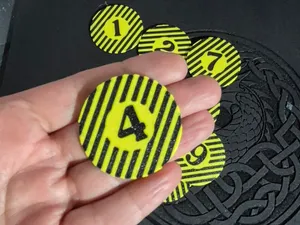


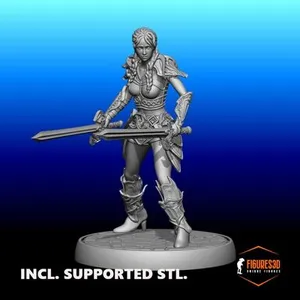


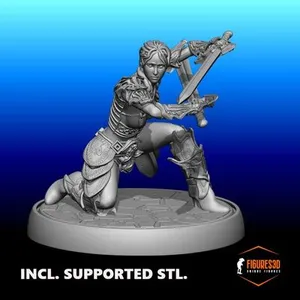

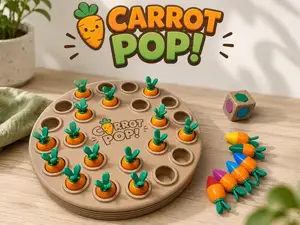
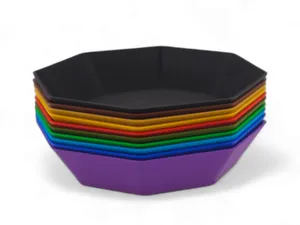
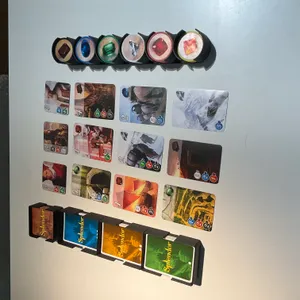
The models fall into a few groups. Character and creature figures are the largest part, often posed for a skirmish or role-playing encounter. Counters and objective markers are flat or low-profile pieces that track points, lives or objectives during play. Dice, table numbers and small accessories sit alongside them, while terrain, cottages, crates and diorama parts build the setting around the figures. Ships and boats appear as separate pieces for naval or coastal scenarios.
Scale is the first thing to check on a model page, since miniatures are described in millimetres or in a heroic scale and mixing them changes how a set looks on the table. Look at the number of parts and whether the figure comes as one piece or needs assembly, and read the author's notes on supports, layer height and material. Photos of actual prints show how thin details such as weapons, cloaks or ship rigging come out.
Search results widen if you use related terms. Miniatures are also listed as figures, minis, monsters or NPCs, and scenery as terrain, scatter, dungeon tiles or props. Counters may appear as tokens, trackers or markers, and dice as dice sets or dice towers. Adding a setting or genre word, such as fantasy, medieval, tavern or ship, narrows the list further.



El catálogo completo de temáticas, del hogar al CNC, con búsqueda en todas las plataformas conectadas.

