Gratis 
Ender 3 filament guides
Thingiverse
This collection gathers guide-type parts: filament path guides, bed alignment pieces, drilling and cutting jigs, furniture rollers and small craft aids. Most of them are simple shapes that solve a positioning problem on a 3D printer, at a workbench or on a piece of furniture. Because the parts are small, they are often a practical first project for someone learning STL preparation. Polyzon does not confirm whether models are free, their price, license, official status, affiliation, safety or fitness. Check the current terms at the source.
Esta colección está escrita en inglés, pero la búsqueda funciona en cualquier idioma.
 Una colección de Polyzon · 48 modelos de 5 plataformas
Polyzon reúne esta colección a partir de los resultados de búsqueda de las plataformas conectadas. Se eliminan los duplicados y los modelos sin vista previa, las coincidencias débiles van al final y el resto mantiene el orden de la búsqueda. Los modelos pertenecen a sus autores: consulta las condiciones en la página de cada modelo.
Criterios de selección: el equipo editorial de Polyzon · Texto actualizado el 12/10/2026
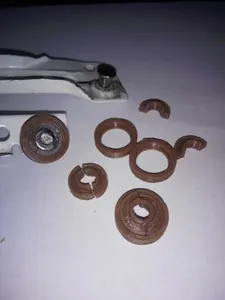
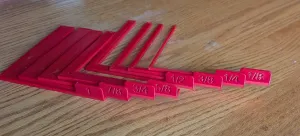


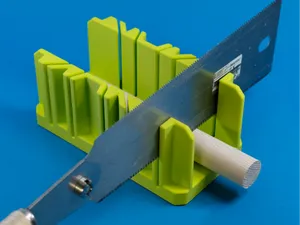
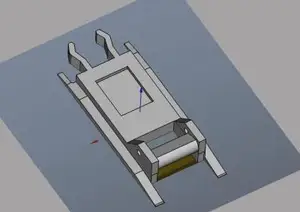
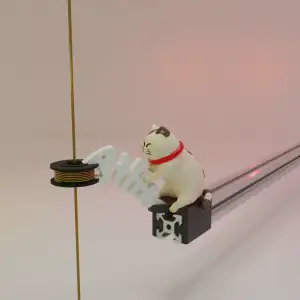

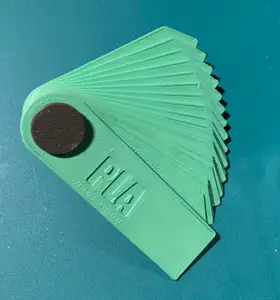
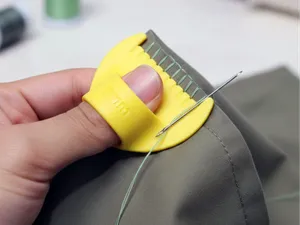
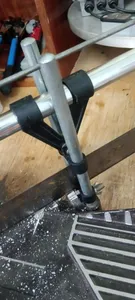
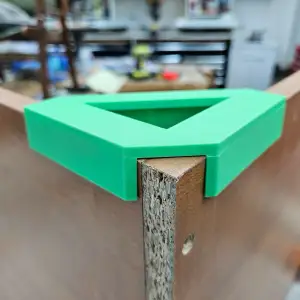

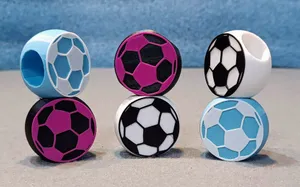
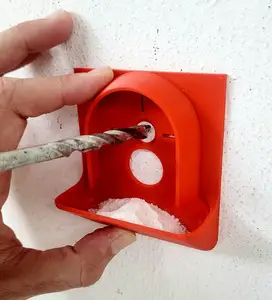
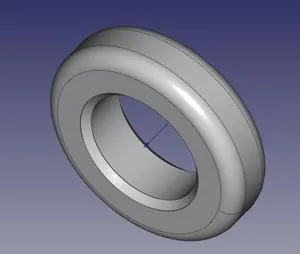
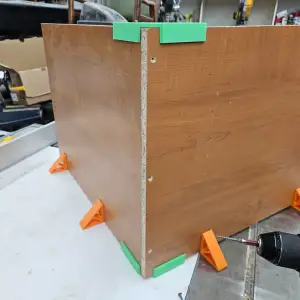

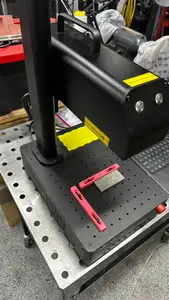
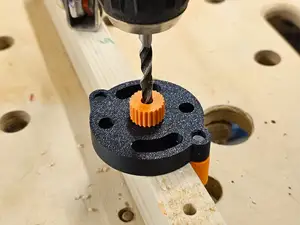
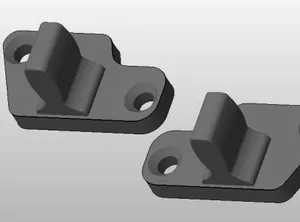
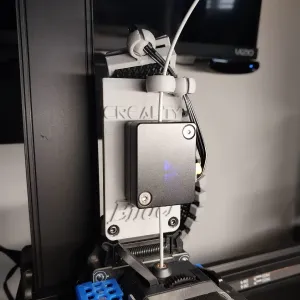

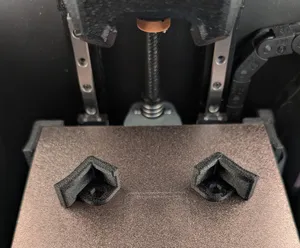

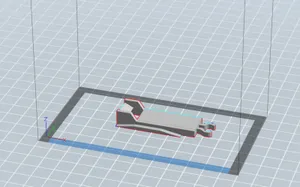
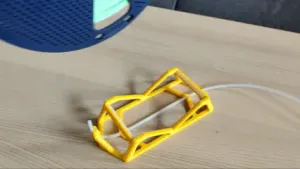

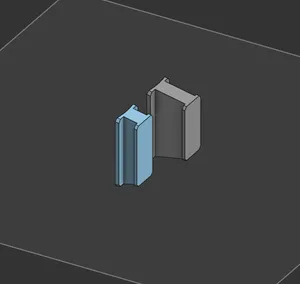
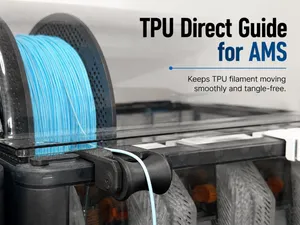
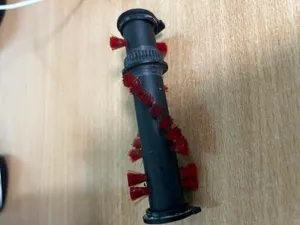
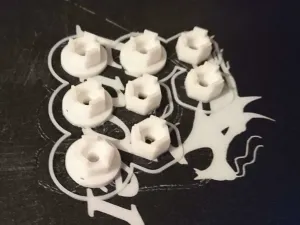

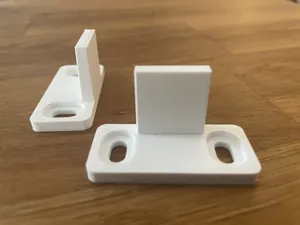

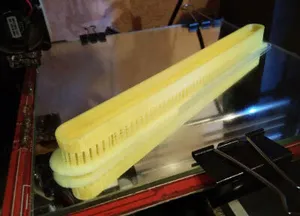
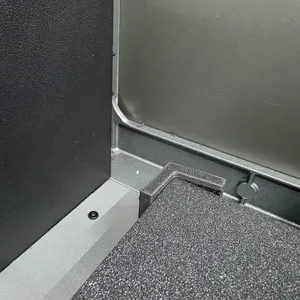

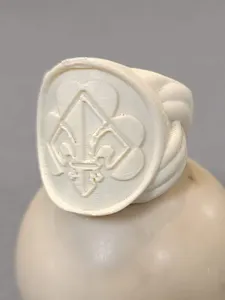
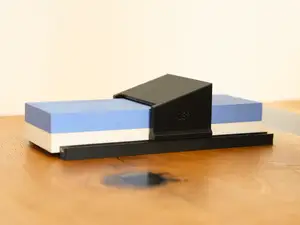
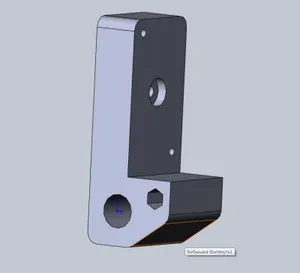
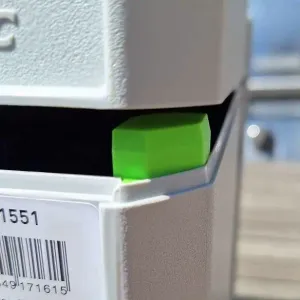

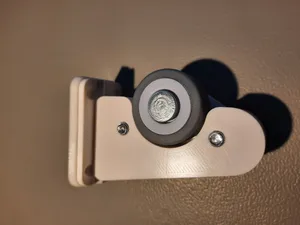
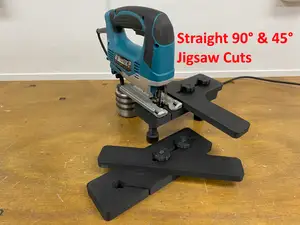
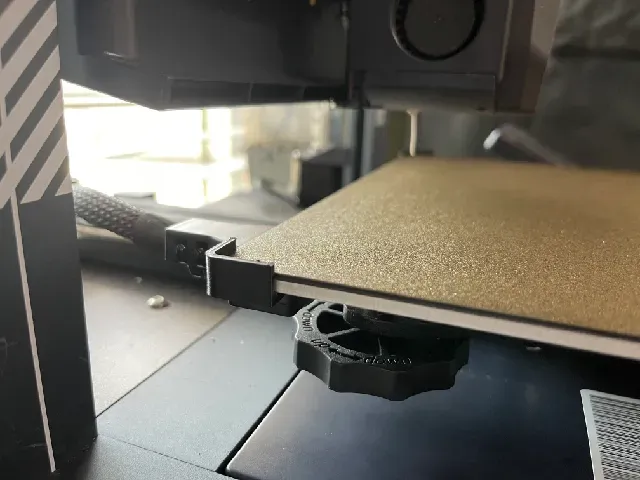
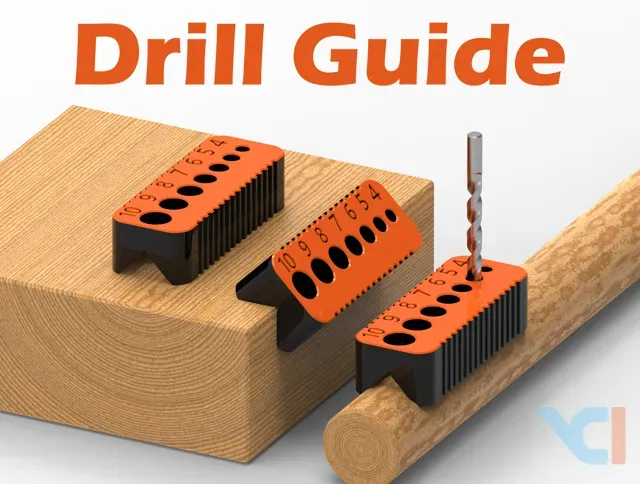
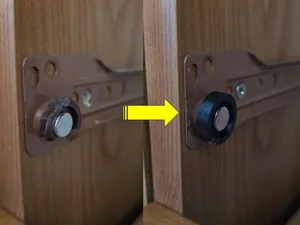
The models differ mainly in what they hold in place. Filament guides route the strand toward the extruder and are shaped around a specific toolhead, while bed guides sit at the plate corners and mark where the sheet should rest. Drilling and cutting jigs carry slots or shoulders that set an angle or a distance, and furniture rollers replace or supplement sliding hardware. Craft aids are the smallest group and usually consist of a flat plate with a channel.
Before printing, read the author's page for the dimensions the part was drawn around, since a guide only works if it matches your machine, plate or tool. Check how many separate pieces are involved and whether they join with screws, magnets or a press fit. Look at the orientation the author recommends, whether overhangs need support, and which material and settings are listed. Photos of finished prints are the quickest way to judge how tight the tolerances really are.
If a search returns too little, try the words people use for the same idea: jig, fixture, bracket, alignment aid, slide, rail, corner stop. Adding the machine or tool name narrows results quickly, and swapping between the English and Russian terms for guides often surfaces different uploads. Related topics such as tool holders, drawer hardware and printer upgrades are worth a look when a direct match is missing.


El catálogo completo de temáticas, del hogar al CNC, con búsqueda en todas las plataformas conectadas.