
Gratis 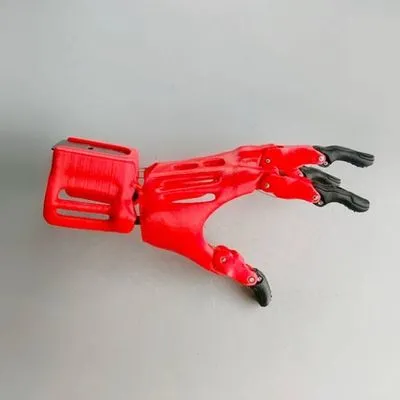
Prosthetic Hand
MyMiniFactory
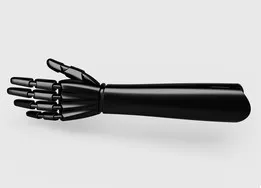
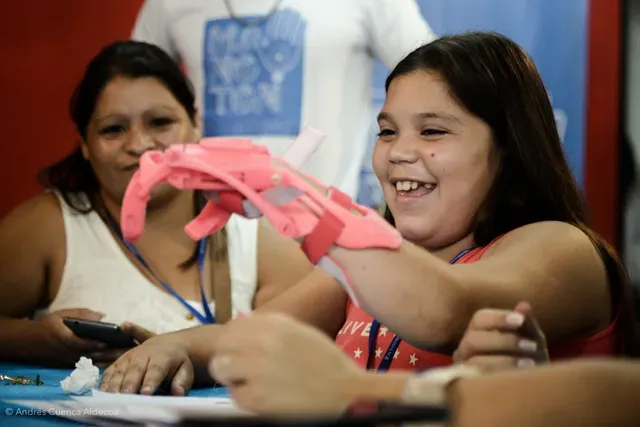
This collection gathers STL files for hand prosthetics, from passive mechanical devices to robotic and bionic assemblies. You will find body-powered, electronic and ergonomic demonstration models. It offers a broad reference for anyone exploring printable hand prosthesis designs on a 3D printer. Polyzon does not confirm whether models are free, their price, license, official status, affiliation, safety or fitness. Check the current terms at the source.
Esta colección está escrita en inglés, pero la búsqueda funciona en cualquier idioma.
 Una colección de Polyzon · 48 modelos de 7 plataformas
Polyzon reúne esta colección a partir de los resultados de búsqueda de las plataformas conectadas. Se eliminan los duplicados y los modelos sin vista previa, las coincidencias débiles van al final y el resto mantiene el orden de la búsqueda. Los modelos pertenecen a sus autores: consulta las condiciones en la página de cada modelo.
Criterios de selección: el equipo editorial de Polyzon · Texto actualizado el 09/10/2026


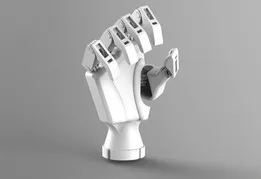
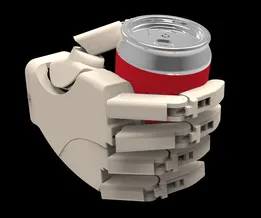


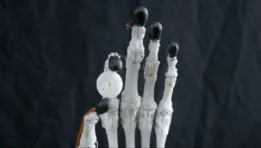
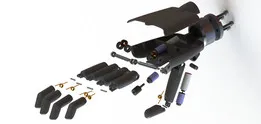

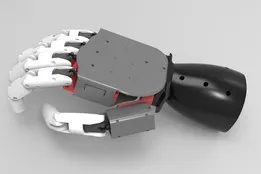

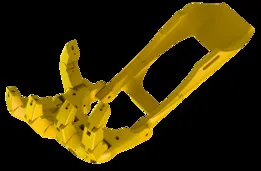
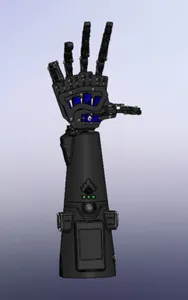
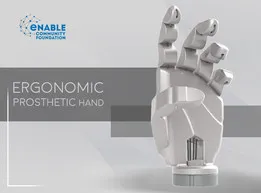
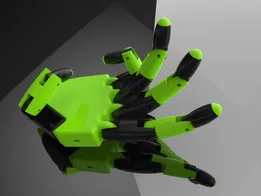

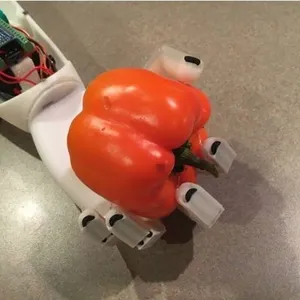

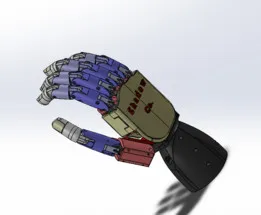


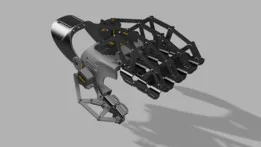
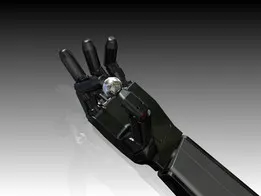
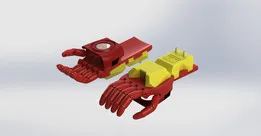
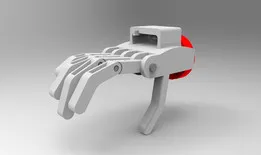

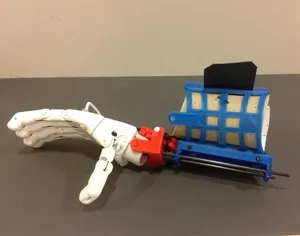
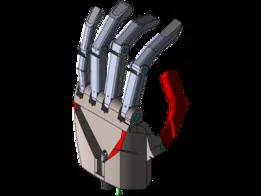


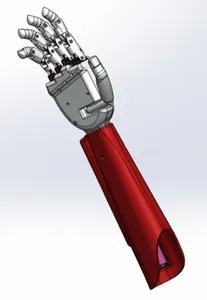


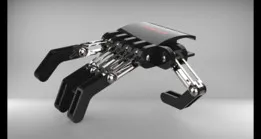

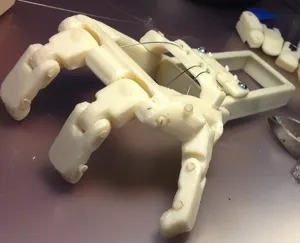

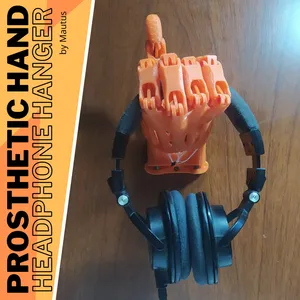
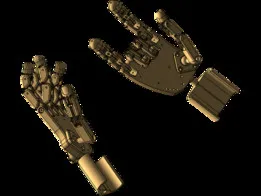
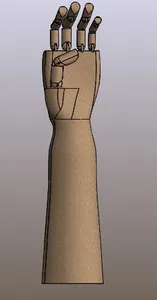
Passive mechanical hands rely on wrist motion to actuate fingers without powered components, whereas robotic versions use servos and sensors for automated grips. Demonstration and posable models prioritize visible joint mechanics and thumb rotation over wearable function. Ergonomic designs differ mainly in socket contour and weight distribution for specific limb differences.
Check the author’s page for the intended size and scale, the number of printed parts, and whether supports are needed for curved surfaces or joint cavities. Review the material and settings listed, since some finger segments may call for flexible filament while palms need rigid structural plastic. Photos of real prints reveal how moving parts fit together and whether hardware channels line up as intended.
To narrow results, add terms such as body-powered, servo-driven, biomimetic or multi-grasp to match the mechanism you want. You can also explore related topics like prosthetic arms, articulated fingers, orthotic braces and robot grippers that share similar joint principles. Swapping hand for palm or gauntlet in the query can surface socket and wrist components that accompany full assemblies.


El catálogo completo de temáticas, del hogar al CNC, con búsqueda en todas las plataformas conectadas.