
免费 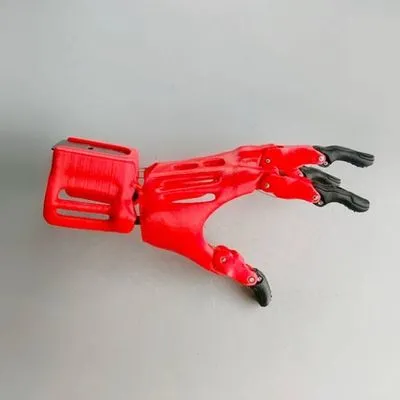
Prosthetic Hand
MyMiniFactory
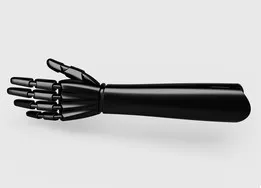
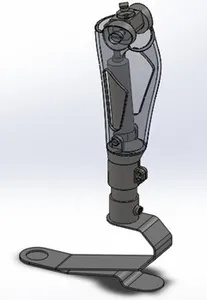
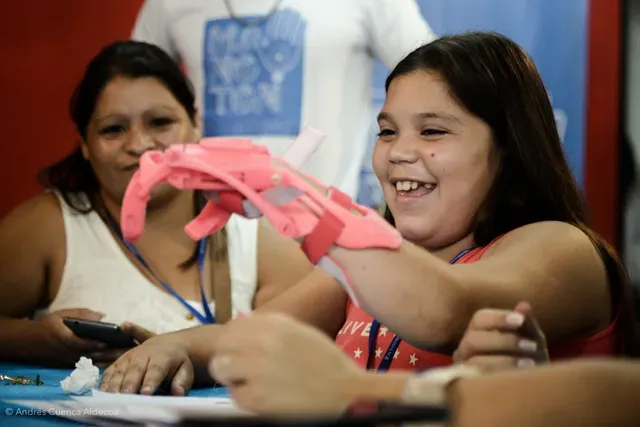
This collection gathers STL files for hand prosthetics, from passive mechanical devices to robotic and bionic assemblies. You will find body-powered, electronic and ergonomic demonstration models. It offers a broad reference for anyone exploring printable hand prosthesis designs on a 3D printer. Polyzon does not confirm whether models are free, their price, license, official status, affiliation, safety or fitness. Check the current terms at the source.
本合集的文字为英文,搜索本身支持任何语言。
 Polyzon合集 · 48个模型 来自7个平台
此合集由Polyzon根据已接入平台的搜索结果整理而成:去除重复项和没有预览图的模型,匹配度低的排在最后,其余按搜索结果顺序排列。模型归作者所有——请在各模型页面查看使用条款。
筛选规则:Polyzon编辑部 · 文字更新于2026年10月9日



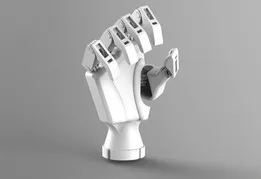
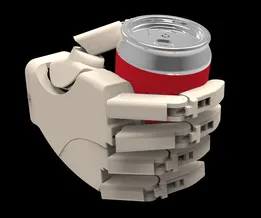


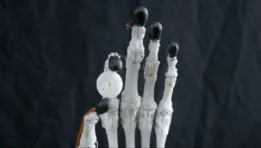
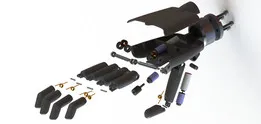

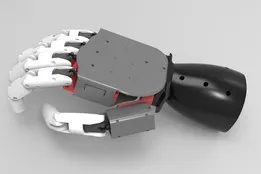

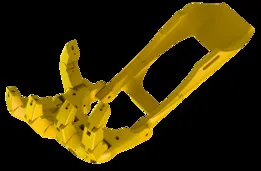
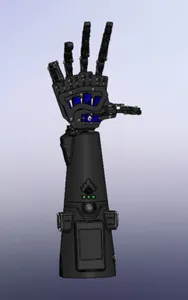
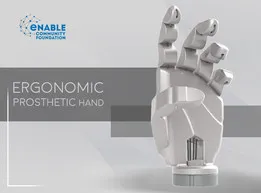
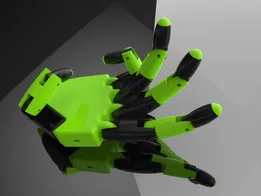

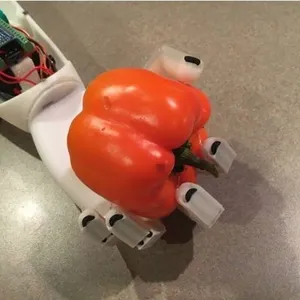

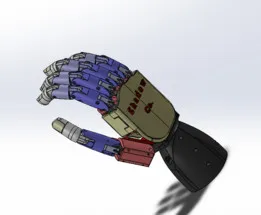


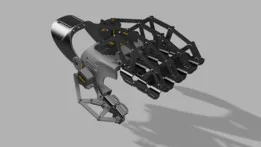
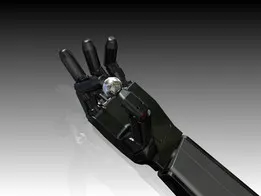
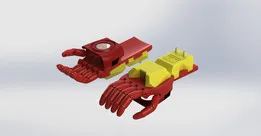
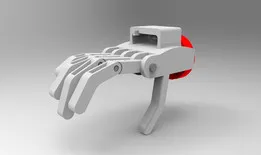

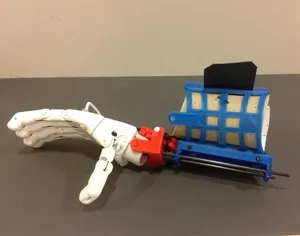
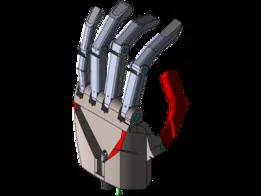


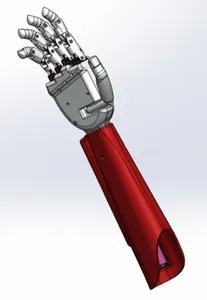


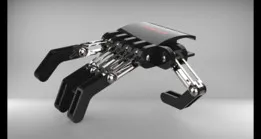

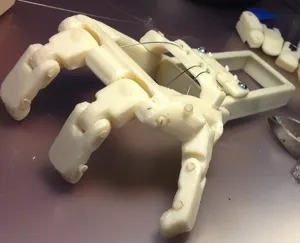

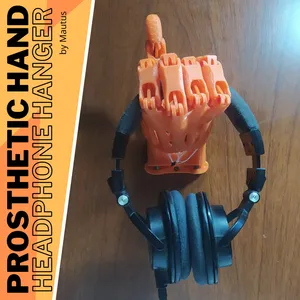
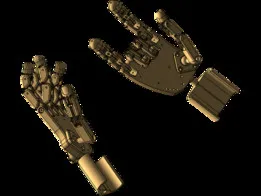
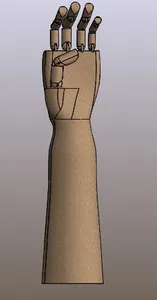
Passive mechanical hands rely on wrist motion to actuate fingers without powered components, whereas robotic versions use servos and sensors for automated grips. Demonstration and posable models prioritize visible joint mechanics and thumb rotation over wearable function. Ergonomic designs differ mainly in socket contour and weight distribution for specific limb differences.
Check the author’s page for the intended size and scale, the number of printed parts, and whether supports are needed for curved surfaces or joint cavities. Review the material and settings listed, since some finger segments may call for flexible filament while palms need rigid structural plastic. Photos of real prints reveal how moving parts fit together and whether hardware channels line up as intended.
To narrow results, add terms such as body-powered, servo-driven, biomimetic or multi-grasp to match the mechanism you want. You can also explore related topics like prosthetic arms, articulated fingers, orthotic braces and robot grippers that share similar joint principles. Swapping hand for palm or gauntlet in the query can surface socket and wrist components that accompany full assemblies.
完整的主题目录:从家居日用到CNC,均可在已接入的来源平台中搜索。