Gratis 
3 Crystal Clay Stamps
Thingiverse
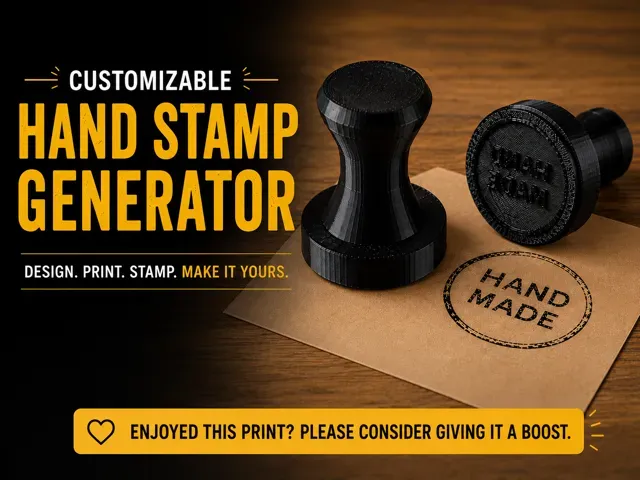
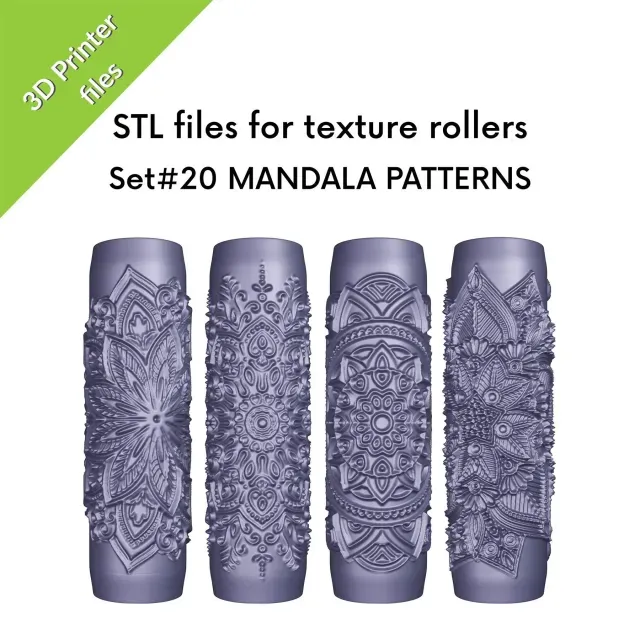
This collection gathers 3D models used to press patterns, letters and shapes into polymer clay. It covers alphabet sets, botanical imprints, texture rollers and cutters, so you can build a small stamping kit for 3D printing. The files are useful both for jewelry work and for pottery, soap or craft projects where a repeated imprint is needed. Polyzon does not confirm whether models are free, their price, license, official status, affiliation, safety or fitness. Check the current terms at the source.
Esta colección está escrita en inglés, pero la búsqueda funciona en cualquier idioma.
 Una colección de Polyzon · 47 modelos de 4 plataformas
Polyzon reúne esta colección a partir de los resultados de búsqueda de las plataformas conectadas. Se eliminan los duplicados y los modelos sin vista previa, las coincidencias débiles van al final y el resto mantiene el orden de la búsqueda. Los modelos pertenecen a sus autores: consulta las condiciones en la página de cada modelo.
Criterios de selección: el equipo editorial de Polyzon · Texto actualizado el 13/10/2026


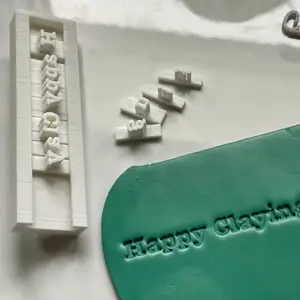
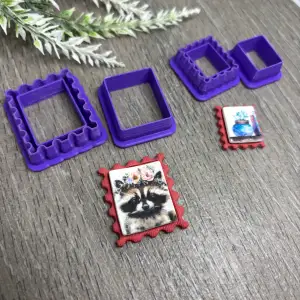


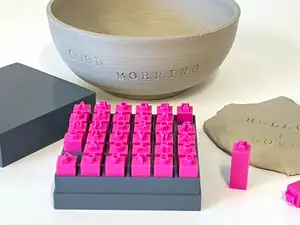
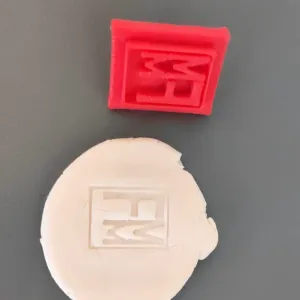

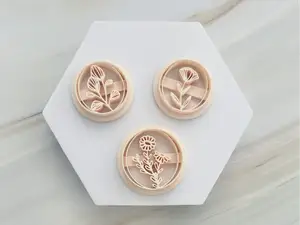
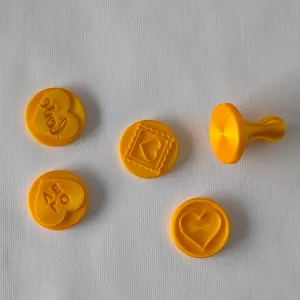

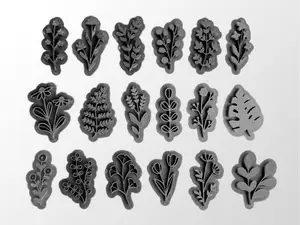
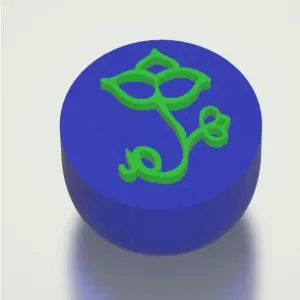

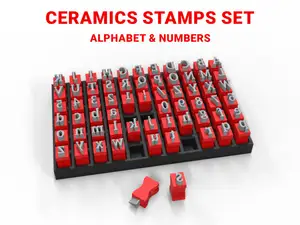
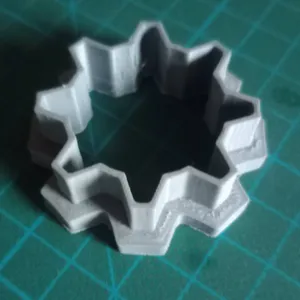
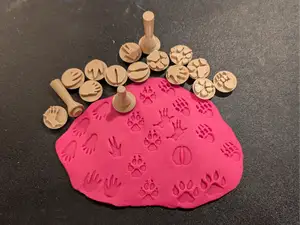
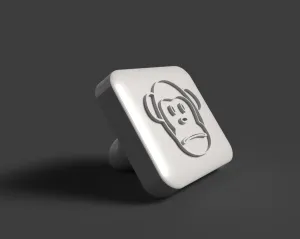

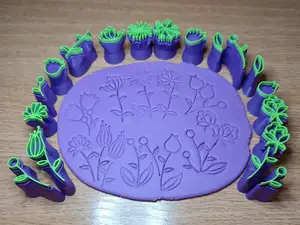
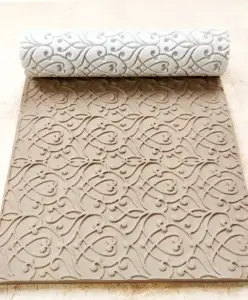

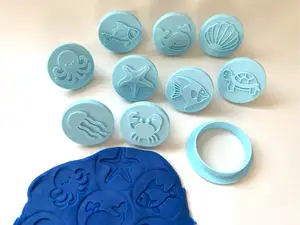
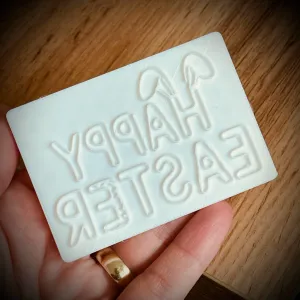

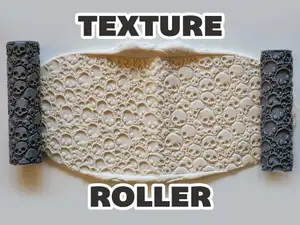
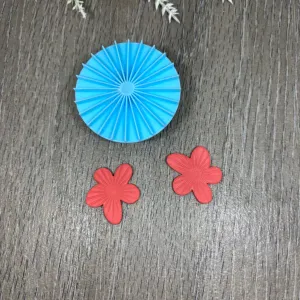

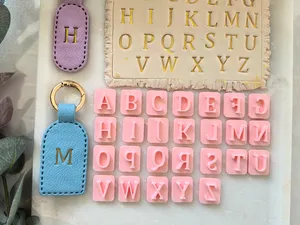
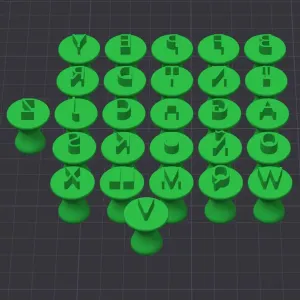

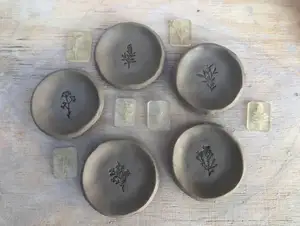
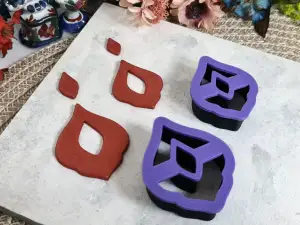

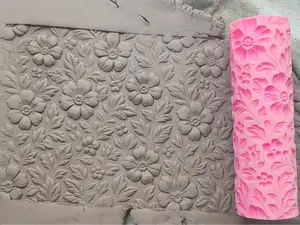
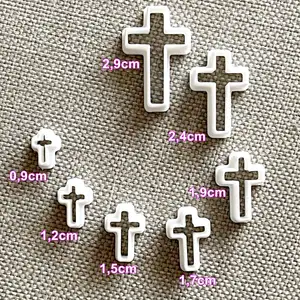


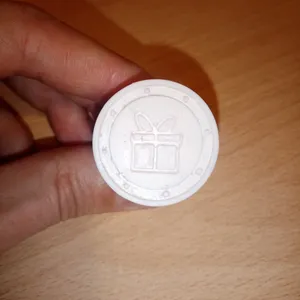

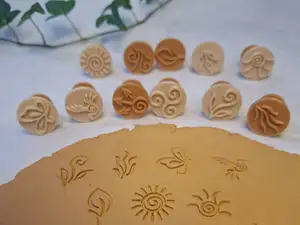
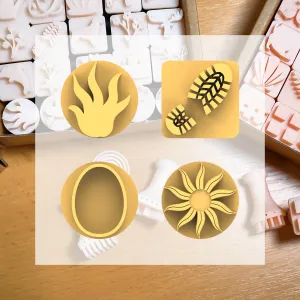
The models fall into a few practical groups. Flat stamps carry a single motif or a full alphabet and are pressed once per impression, while rollers cover a longer strip with a repeating pattern. Cutters work differently: they define the outline of a piece rather than its surface, and often appear alongside matching stamps for earrings, pendants and small charms.
Before printing, open the author's model page and read the listed dimensions, relief depth and part count. Shallow relief suits thin clay sheets, deeper relief holds up better on thicker slabs, and mirrored lettering has to be oriented correctly in the slicer. Check whether supports are needed for overhangs, which filament or resin the author used, and look at photos of real prints to judge how crisp the imprint turns out.
Search results widen quickly if you try other terms. Alongside "stamp", people use "imprint", "marker", "texture roller" and the Spanish "sello" or "marcador". Related searches include pottery and ceramic stamps, soap and cookie molds, earring cutters, and alphabet or typewriter-font sets, all of which describe the same basic tool from a different angle.


El catálogo completo de temáticas, del hogar al CNC, con búsqueda en todas las plataformas conectadas.