
Gratis 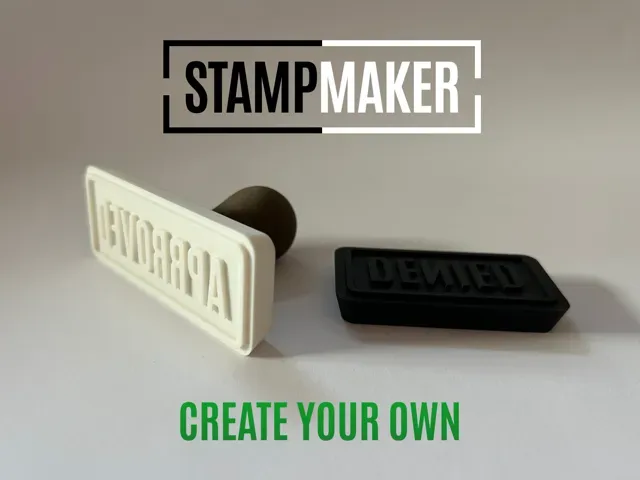
Stamp Maker - Customizable Stamps
MakerWorld
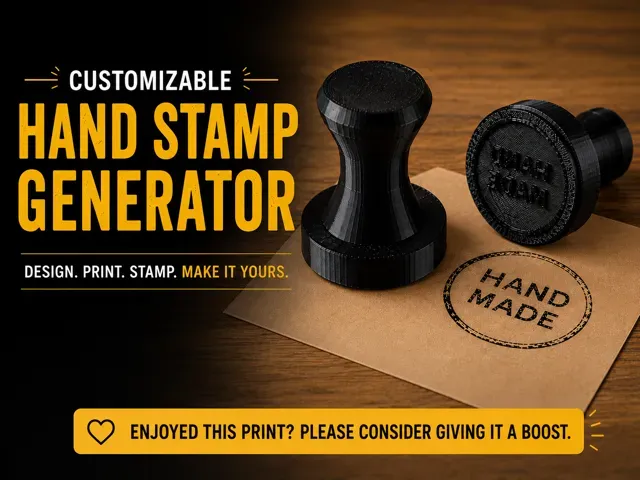
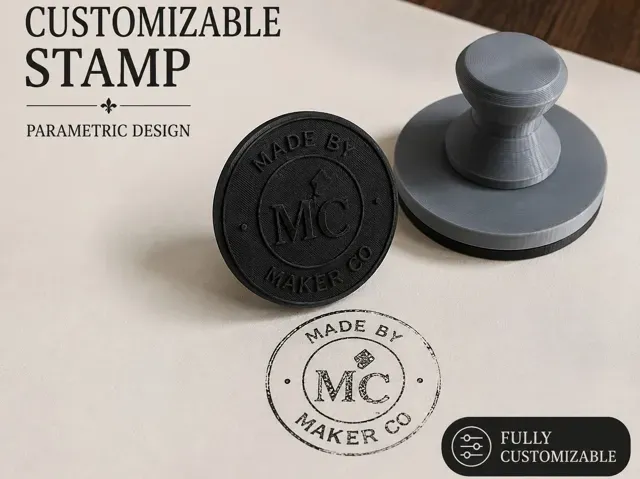
This collection gathers 3D models for stamps of several kinds: customizable text and mark stamps, wax seals, paper embossers, and cutter-and-stamp sets for dough or clay. Each entry is a file you can slice for a 3D printer, and many can be adapted to your own text or shape. Browsing the range helps you compare how a stamp is built before you commit to a print. Polyzon does not confirm whether models are free, their price, license, official status, affiliation, safety or fitness. Check the current terms at the source.
Esta colección está escrita en inglés, pero la búsqueda funciona en cualquier idioma.
 Una colección de Polyzon · 48 modelos de 6 plataformas
Polyzon reúne esta colección a partir de los resultados de búsqueda de las plataformas conectadas. Se eliminan los duplicados y los modelos sin vista previa, las coincidencias débiles van al final y el resto mantiene el orden de la búsqueda. Los modelos pertenecen a sus autores: consulta las condiciones en la página de cada modelo.
Criterios de selección: el equipo editorial de Polyzon · Texto actualizado el 11/10/2026



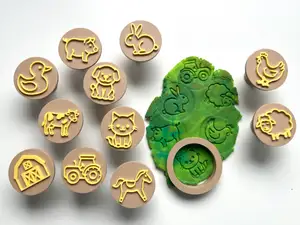


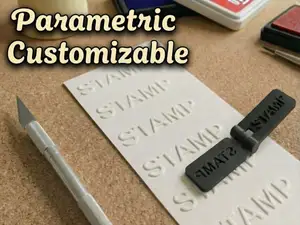


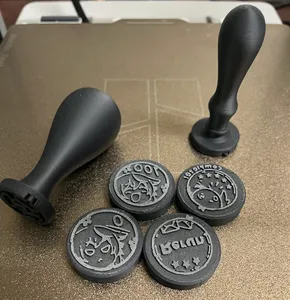

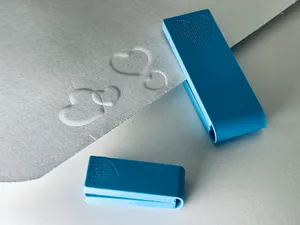
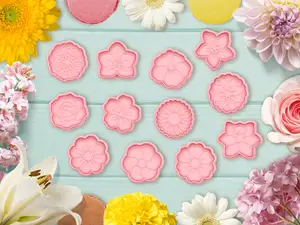

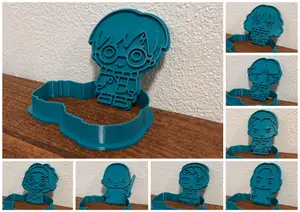
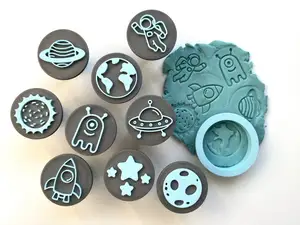
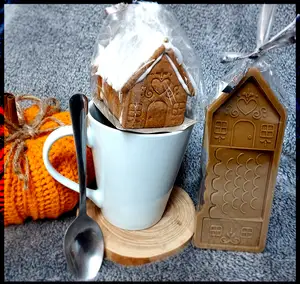


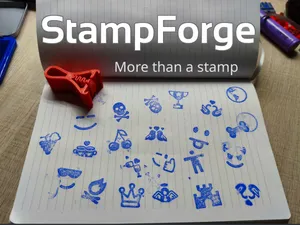
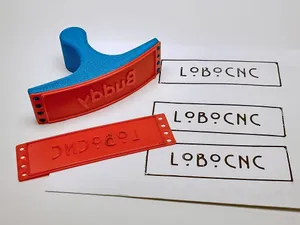
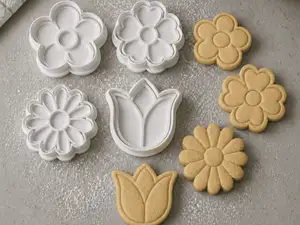
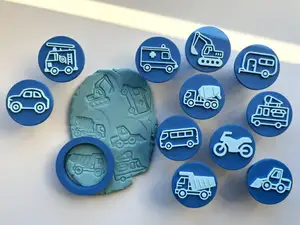


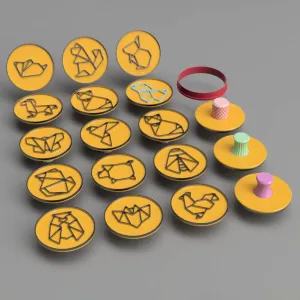


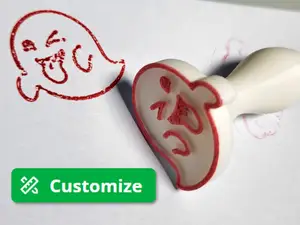

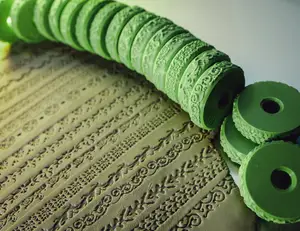


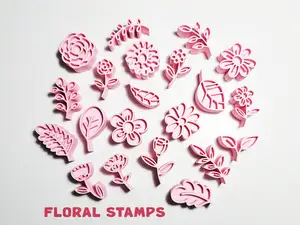
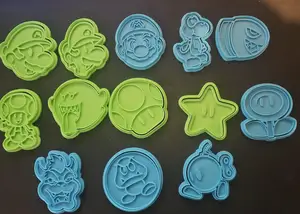
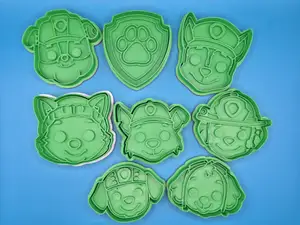

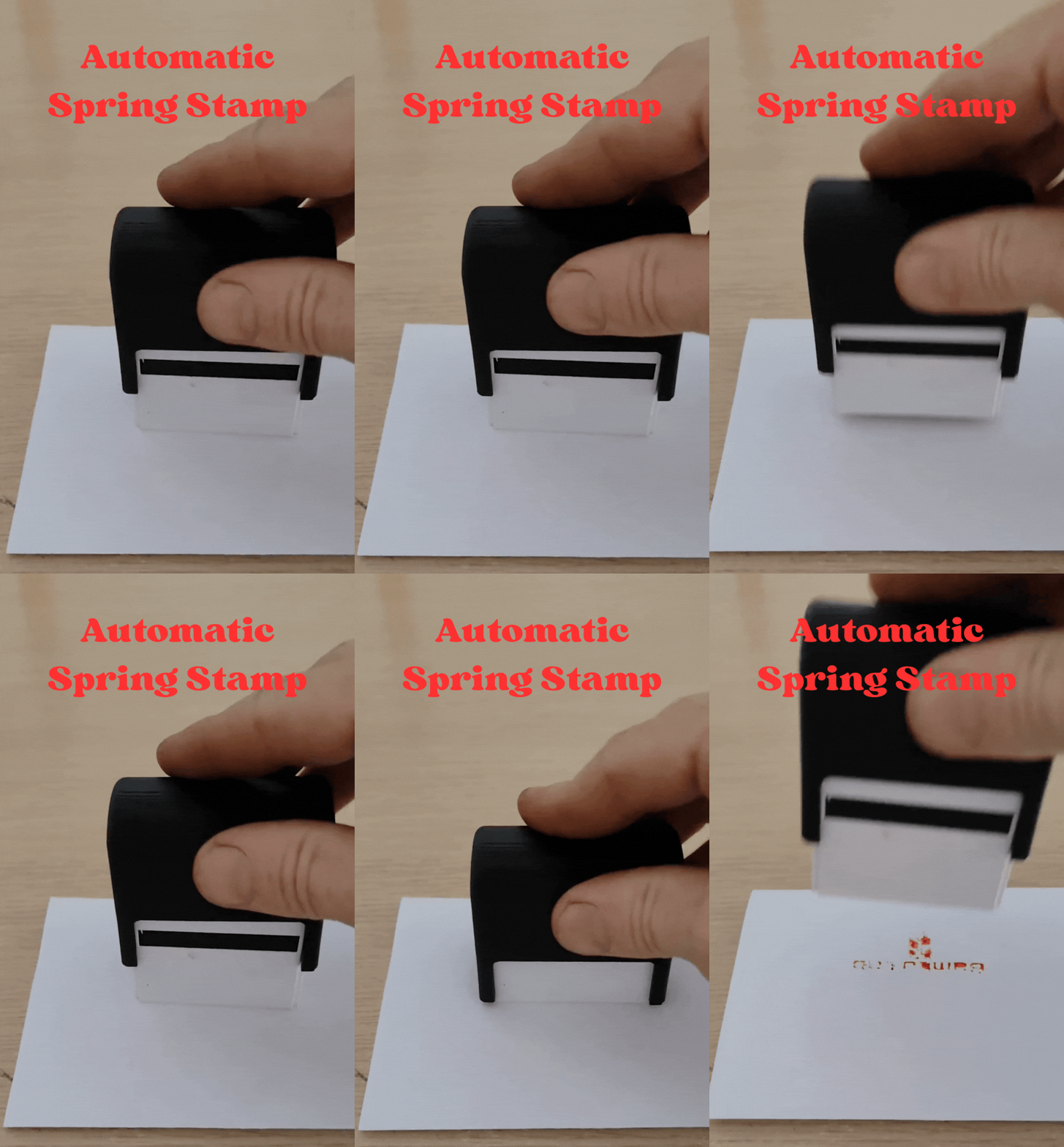
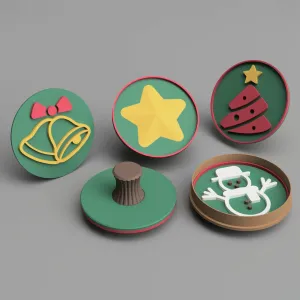
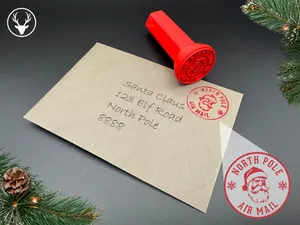
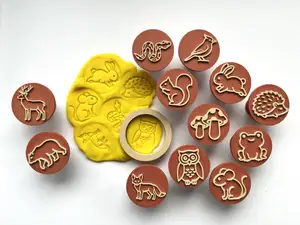
The entries differ mainly in what the stamp presses into and how the design is held. Text and mark stamps often take a separate insert or a generated plate that fits a common handle, while seal stamps are pressed into wax and are frequently a single piece with a grip. Cutter-and-stamp sets combine a shape that cuts an outline with a plate that presses a pattern into the surface.
Before printing, read the notes on the model page: overall size and scale, how many parts there are and how they join, and whether the file needs supports. The material and settings the author lists matter as much as the geometry, because a stamp pressed into dough behaves differently from one pressed onto paper. Photos of real prints show how fine the relief turns out after slicing.
If a search returns little, try the words people use for the same object: seal, embosser, punch, mark, monogram or press. Adding the surface or material narrows it further — wax, clay, leather, dough, paper — and a related term such as cookie cutter or playdough set brings up combined tools. How the design is generated, from typed text or from an image, is another way to split the results.


El catálogo completo de temáticas, del hogar al CNC, con búsqueda en todas las plataformas conectadas.