Gratis 
Brain Stem Model
Thingiverse
This collection gathers 3D models linked to the brainstem, including anatomical studies, multi-part brain sections, and puzzle-like objects. It helps you compare how different authors structure the same subject before you send an STL to a 3D printer. Polyzon does not confirm whether models are free, their price, license, official status, affiliation, safety or fitness. Check the current terms at the source.
Esta colección está escrita en inglés, pero la búsqueda funciona en cualquier idioma.
 Una colección de Polyzon · 48 modelos de 4 plataformas
Polyzon reúne esta colección a partir de los resultados de búsqueda de las plataformas conectadas. Se eliminan los duplicados y los modelos sin vista previa, las coincidencias débiles van al final y el resto mantiene el orden de la búsqueda. Los modelos pertenecen a sus autores: consulta las condiciones en la página de cada modelo.
Criterios de selección: el equipo editorial de Polyzon · Texto actualizado el 13/10/2026


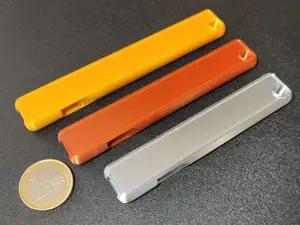
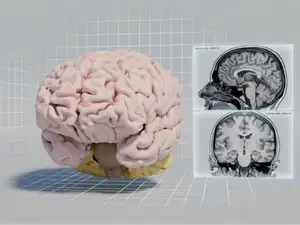


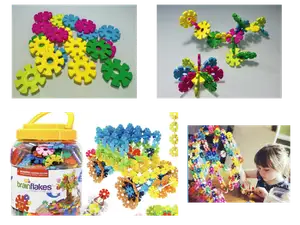


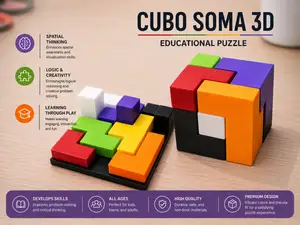


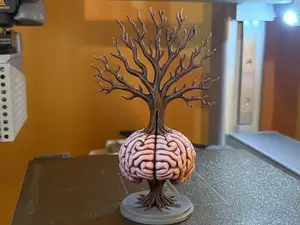

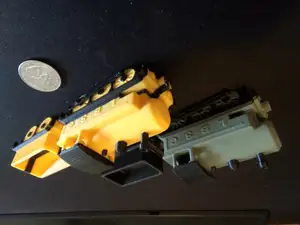



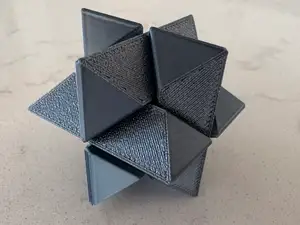


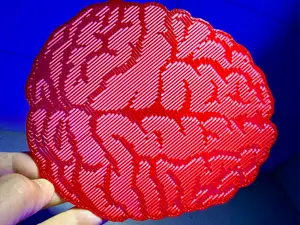




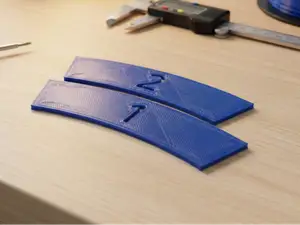

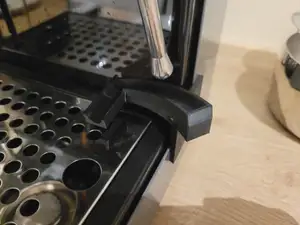
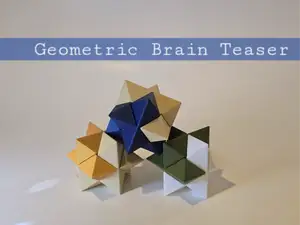

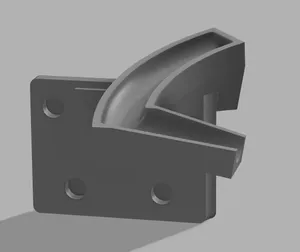



The most common entries are anatomical models of the brainstem, cerebellum, and surrounding brain regions. Some files focus on a single structure, while others split the brain into several parts for study or display. Vascular and aneurysm models also appear, often with detailed arterial paths and separate components. Puzzle and assembly objects form a separate group, where the brainstem shape or name is used as a theme.
When choosing a model, check the scale, the number of parts, and whether the author includes labels or a key. Look at the photos of real prints to judge surface detail and how the parts fit together. For printing, review the orientation, whether the model needs support structures, and the material and settings the author lists. Multi-part anatomy files may require assembly, so plan for alignment and cleanup.
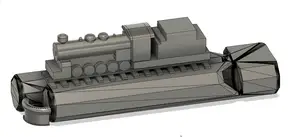
To refine the search, use exact terms such as brainstem, medulla, pons, midbrain, and cerebellum. Related topics like brain anatomy, ventricular system, and head and neck vascular models can lead to additional results. If you see unrelated items, add words like anatomy or medical to separate them from similar-sounding terms. The word steam can pull in train and whistle models, so a more specific query helps keep the list on topic.


El catálogo completo de temáticas, del hogar al CNC, con búsqueda en todas las plataformas conectadas.