
Gratis 
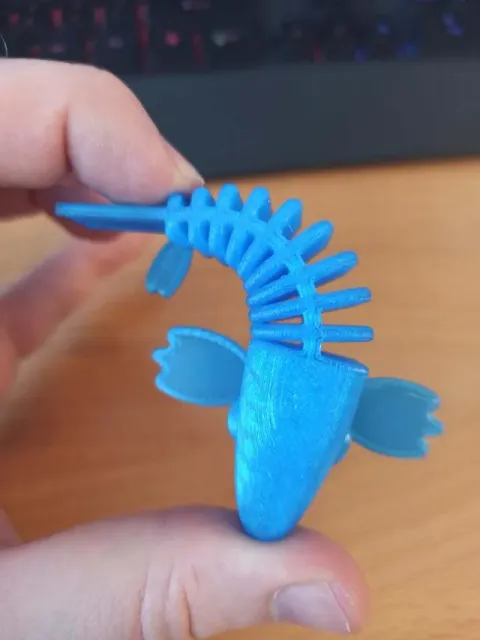
TPU Flexi Fish Goby
Printables
This collection gathers 3D models designed around flexible filament: articulated figures, flexi fish, small fidget pieces and a few functional parts. They are useful if you already print with TPU or TPE and want STL files that use the material's bend instead of fighting it. Polyzon does not confirm whether models are free, their price, license, official status, affiliation, safety or fitness. Check the current terms at the source.
Esta colección está escrita en inglés, pero la búsqueda funciona en cualquier idioma.
 Una colección de Polyzon · 48 modelos de 4 plataformas
Polyzon reúne esta colección a partir de los resultados de búsqueda de las plataformas conectadas. Se eliminan los duplicados y los modelos sin vista previa, las coincidencias débiles van al final y el resto mantiene el orden de la búsqueda. Los modelos pertenecen a sus autores: consulta las condiciones en la página de cada modelo.
Criterios de selección: el equipo editorial de Polyzon · Texto actualizado el 13/10/2026


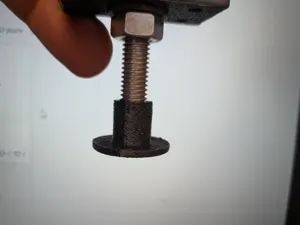


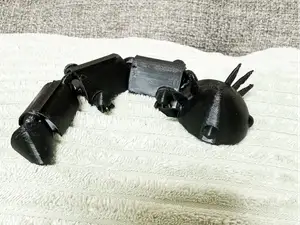
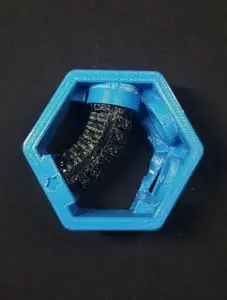


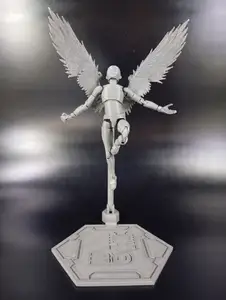

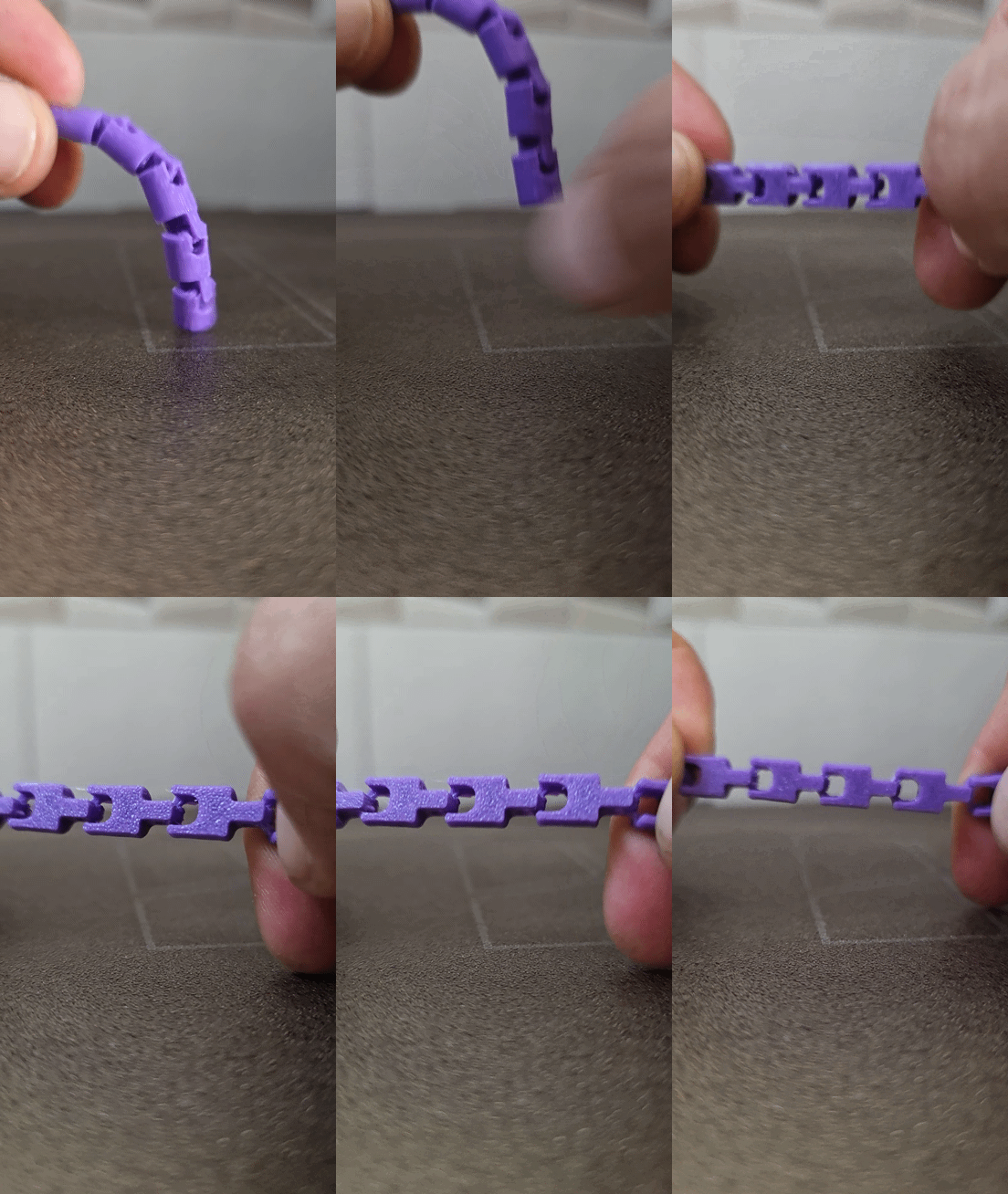
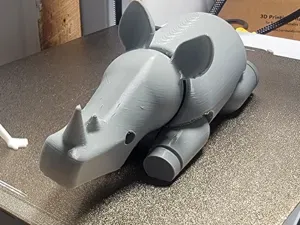
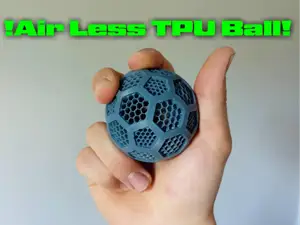
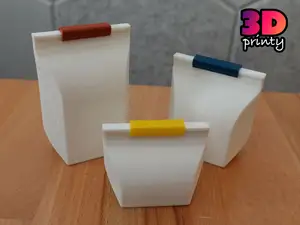

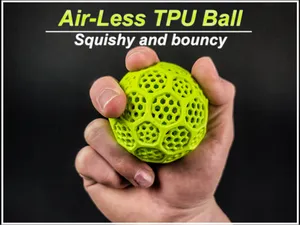
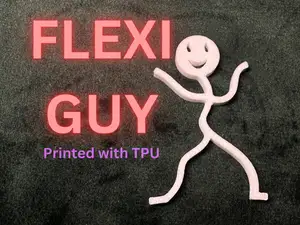
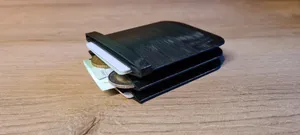
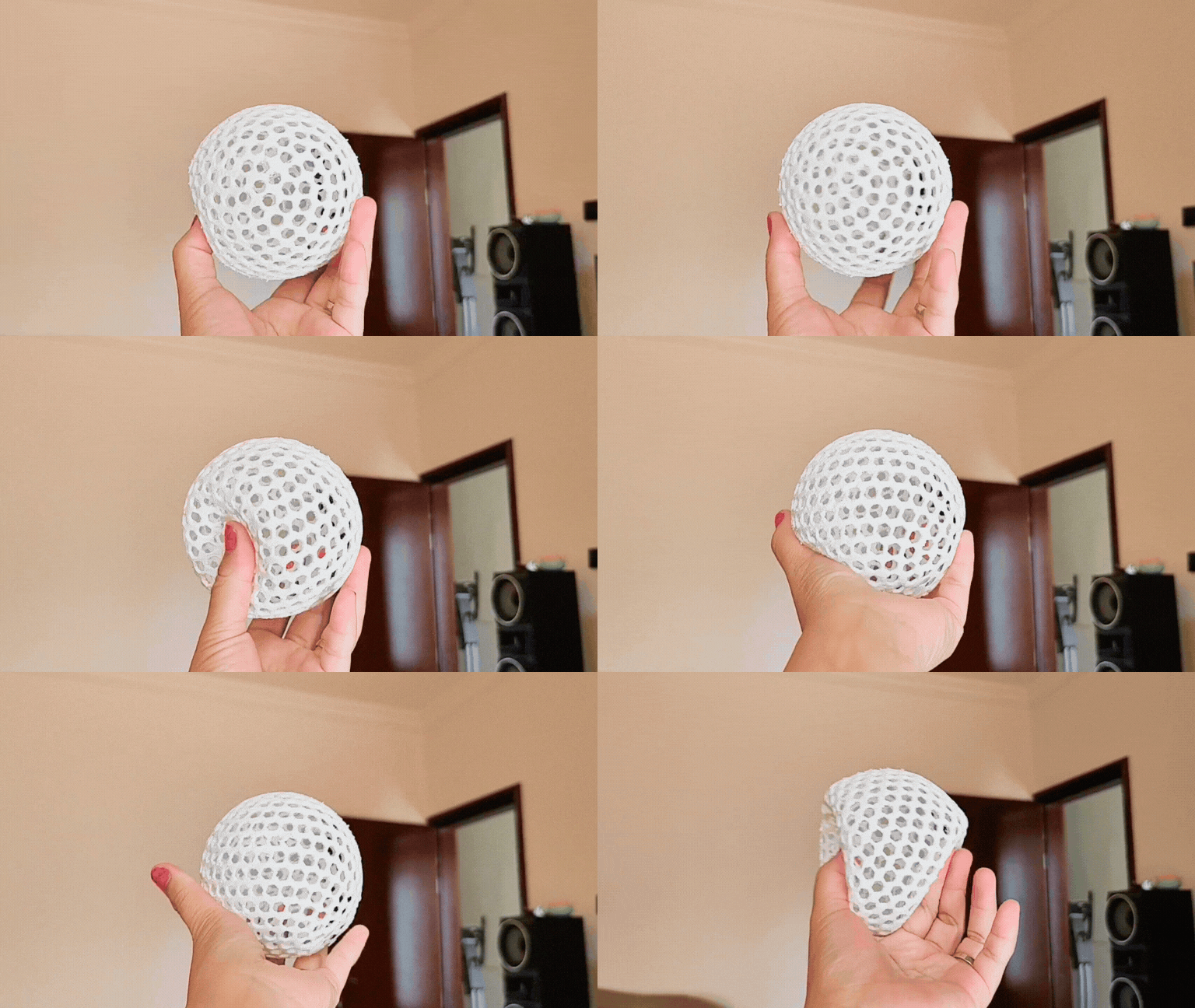



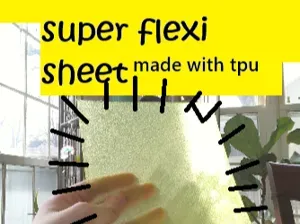
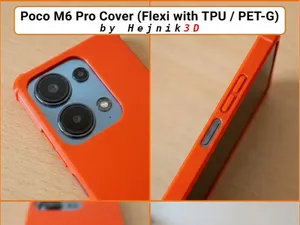
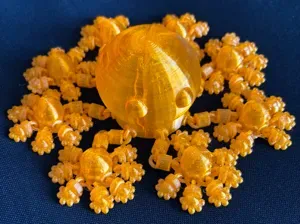

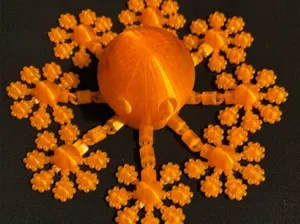
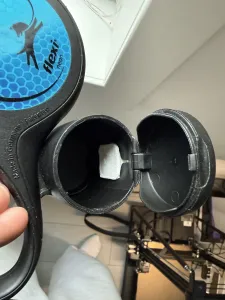
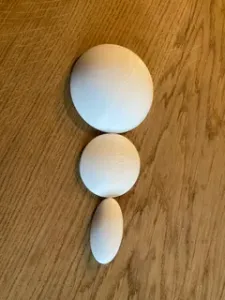
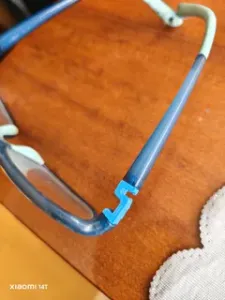
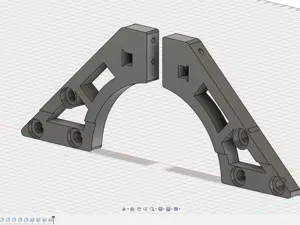
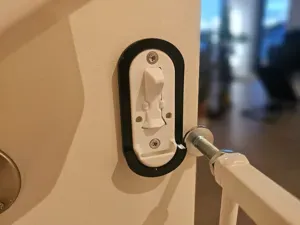


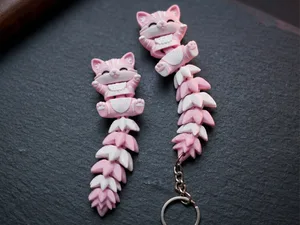
The models fall into a few groups. Flexi animals and fidget items are usually single-piece prints with thin hinges or narrow gaps between segments, so the whole shape bends in your hand. Articulated figures are built from ball joints and come in fixed scales, which makes joint clearance the main thing to watch. Functional pieces such as spacers, feet or tube tiles use the same flexibility for compression and fit rather than for play.
Before printing, read the author's page for the details that decide the result: the shore hardness and brand of filament used, nozzle and layer settings, wall count, and whether the joints were drawn with a specific clearance. Look at photos of real prints rather than renders, since stringing and fused joints show up there. For articulated figures, check how many parts are in the file and whether assembly or glue is required.
Search terms can be widened or narrowed depending on what you want. Flexible filament, TPE, articulated, fidget, keychain and bendy are common alternatives to the flexi wording. If you need a specific subject, combine it with the material, for example an animal, a robot or a game character, and add the scale or size you have in mind. Related topics such as calibration prints and printer parts are worth a look if you are still tuning the material.



El catálogo completo de temáticas, del hogar al CNC, con búsqueda en todas las plataformas conectadas.