
免费 
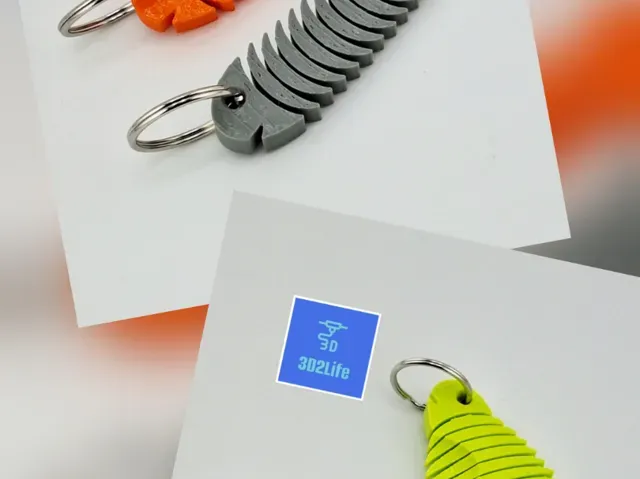
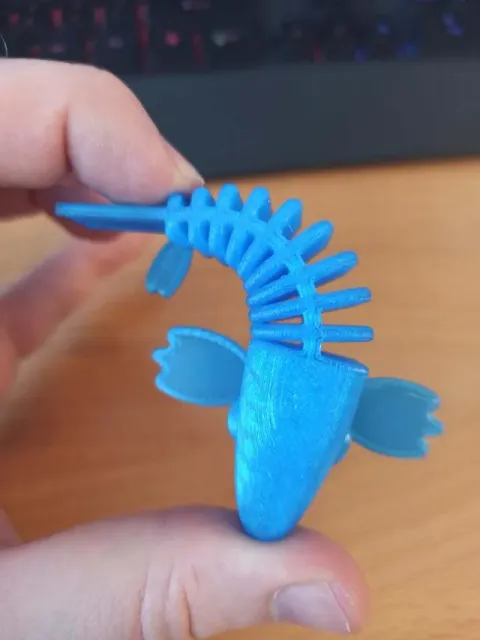
TPU Flexi Fish Goby
Printables
This collection gathers 3D models designed around flexible filament: articulated figures, flexi fish, small fidget pieces and a few functional parts. They are useful if you already print with TPU or TPE and want STL files that use the material's bend instead of fighting it. Polyzon does not confirm whether models are free, their price, license, official status, affiliation, safety or fitness. Check the current terms at the source.
本合集的文字为英文,搜索本身支持任何语言。
 Polyzon合集 · 48个模型 来自4个平台
此合集由Polyzon根据已接入平台的搜索结果整理而成:去除重复项和没有预览图的模型,匹配度低的排在最后,其余按搜索结果顺序排列。模型归作者所有——请在各模型页面查看使用条款。
筛选规则:Polyzon编辑部 · 文字更新于2026年10月13日




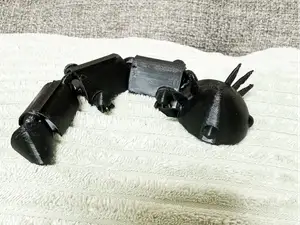
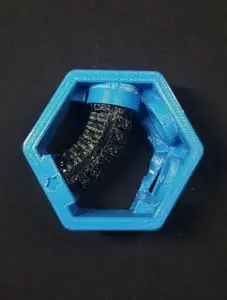


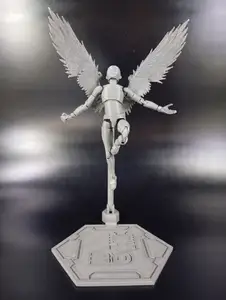

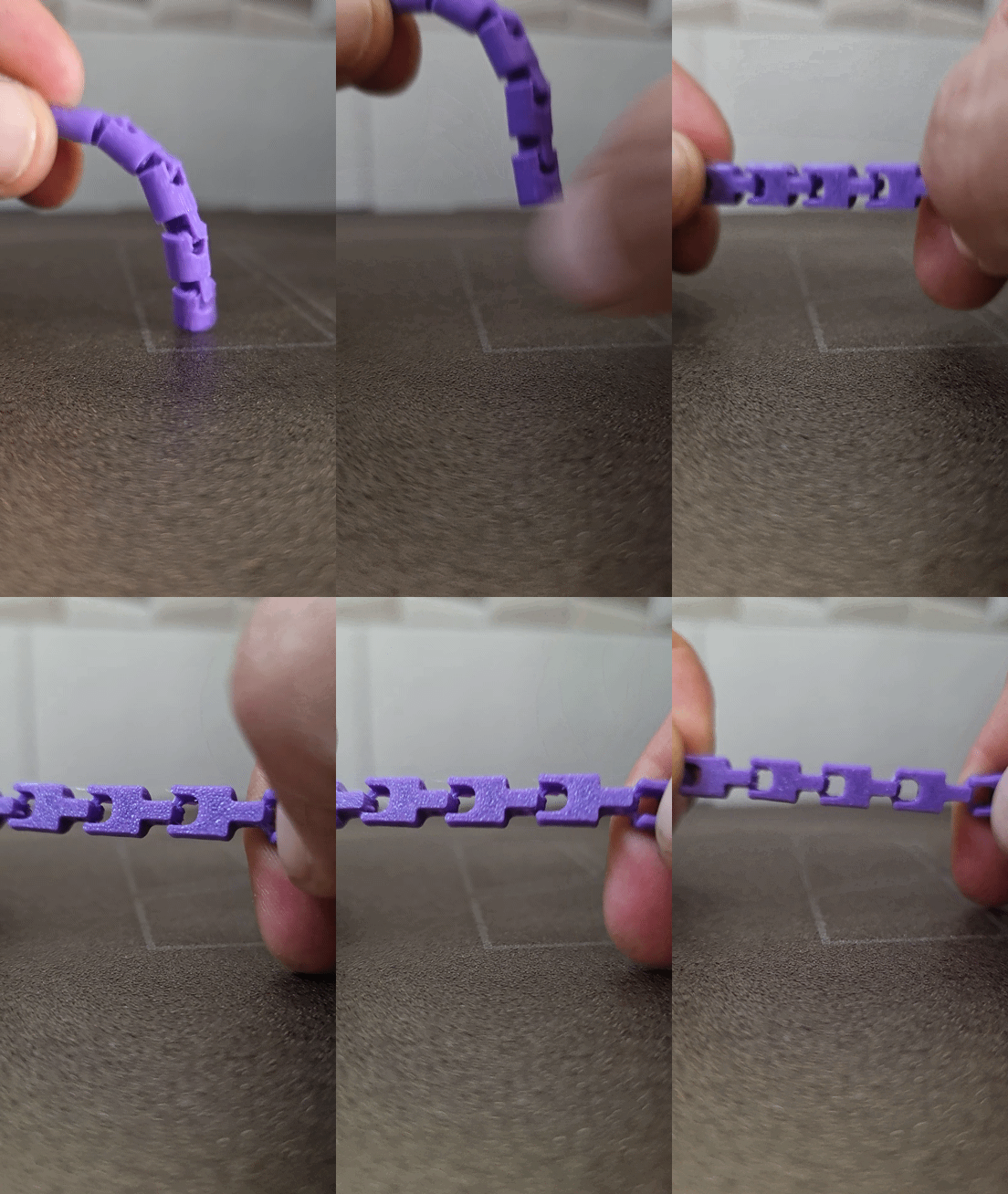
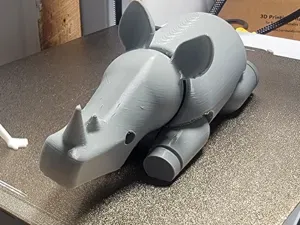
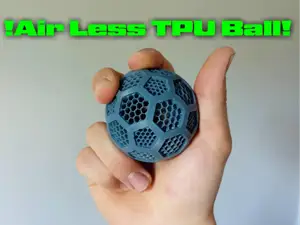
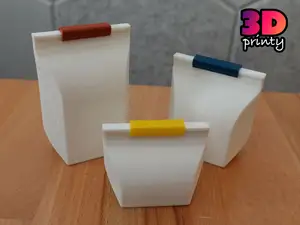

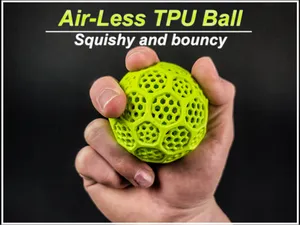
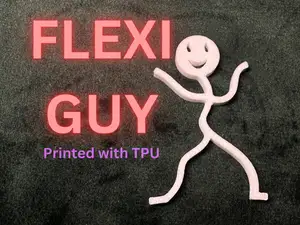
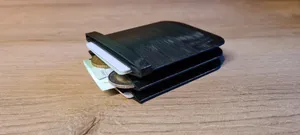
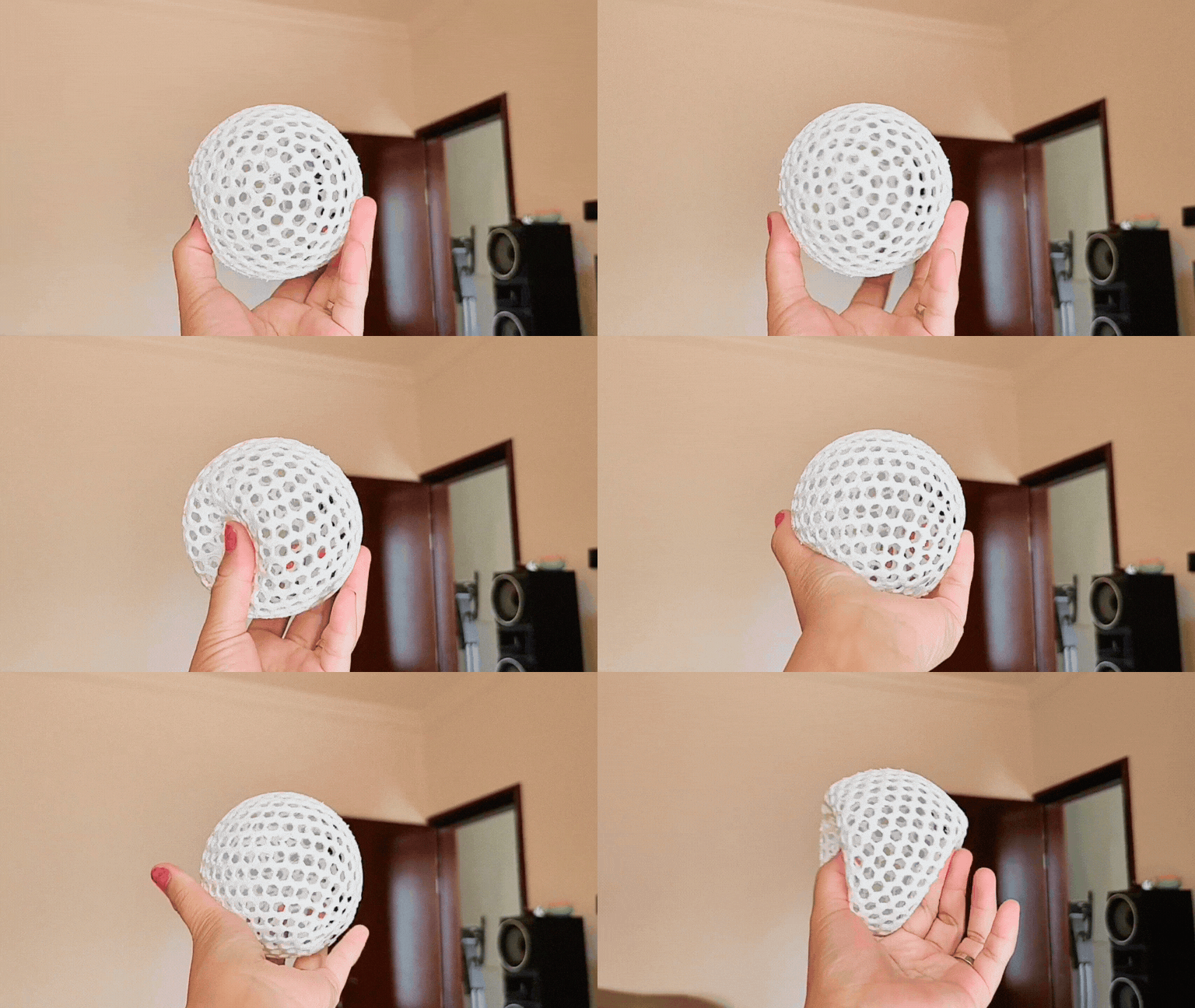



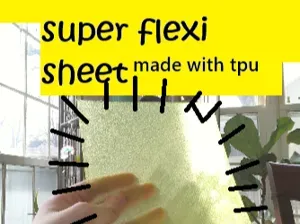
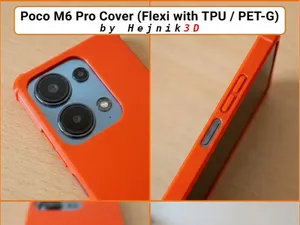
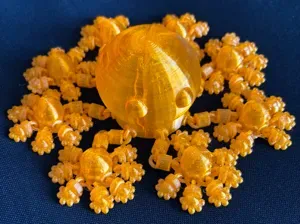

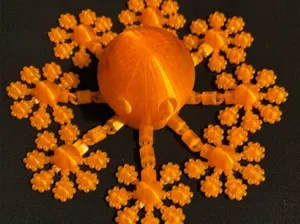
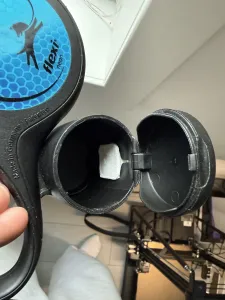
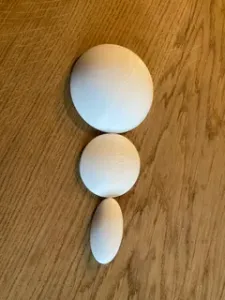
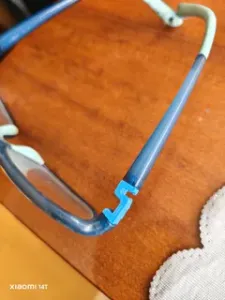
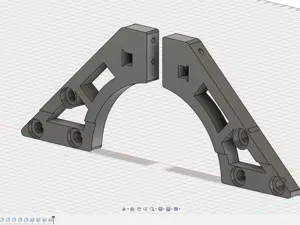


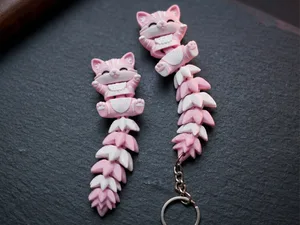
The models fall into a few groups. Flexi animals and fidget items are usually single-piece prints with thin hinges or narrow gaps between segments, so the whole shape bends in your hand. Articulated figures are built from ball joints and come in fixed scales, which makes joint clearance the main thing to watch. Functional pieces such as spacers, feet or tube tiles use the same flexibility for compression and fit rather than for play.
Before printing, read the author's page for the details that decide the result: the shore hardness and brand of filament used, nozzle and layer settings, wall count, and whether the joints were drawn with a specific clearance. Look at photos of real prints rather than renders, since stringing and fused joints show up there. For articulated figures, check how many parts are in the file and whether assembly or glue is required.
Search terms can be widened or narrowed depending on what you want. Flexible filament, TPE, articulated, fidget, keychain and bendy are common alternatives to the flexi wording. If you need a specific subject, combine it with the material, for example an animal, a robot or a game character, and add the scale or size you have in mind. Related topics such as calibration prints and printer parts are worth a look if you are still tuning the material.



完整的主题目录:从家居日用到CNC,均可在已接入的来源平台中搜索。