Gratuit 
18650 Battery Case
Thingiverse
This collection gathers STL models for holding and storing cylindrical lithium cells, from slim single-cell sleeves to boxes that take a whole pack. The files range from simple open trays to closed cases with lids, hinges or spring contacts, so the same topic covers both storage and build projects. It is useful when you are organising loose cells or designing a housing around them for 3D printing. Polyzon does not confirm whether models are free, their price, license, official status, affiliation, safety or fitness. Check the current terms at the source.
Le texte de cette collection est rédigé en anglais ; la recherche, elle, fonctionne dans toutes les langues.
 Une collection Polyzon · 48 modèles sur 4 plateformes
Polyzon compose cette collection à partir des résultats de recherche des plateformes connectées. Les doublons et les modèles sans aperçu sont retirés, les correspondances faibles sont placées à la fin, et le reste suit l’ordre de la recherche. Les modèles appartiennent à leurs auteurs : consultez les conditions sur la page de chaque modèle.
Règles de sélection : la rédaction de Polyzon · Texte mis à jour le 15/10/2026
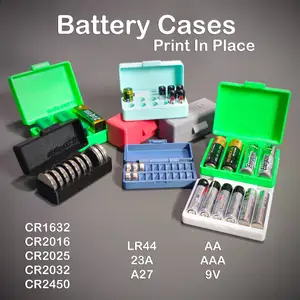


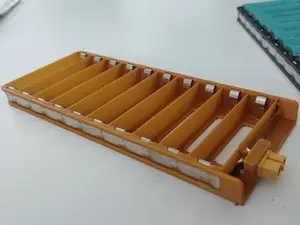



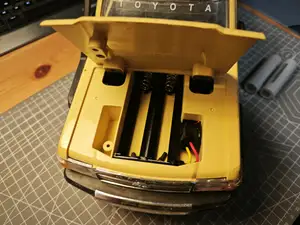
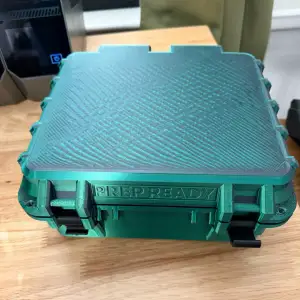

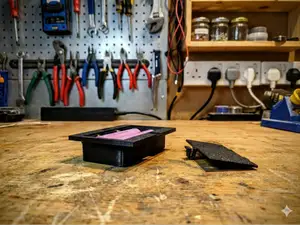
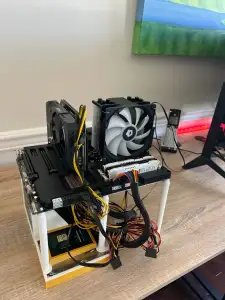

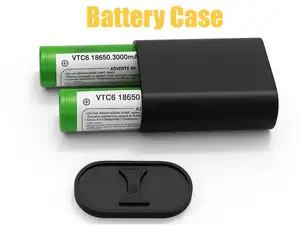
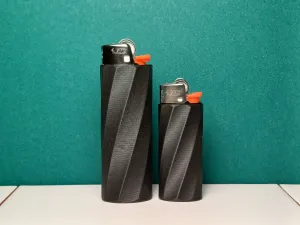

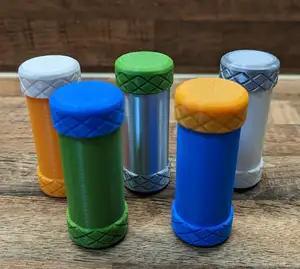
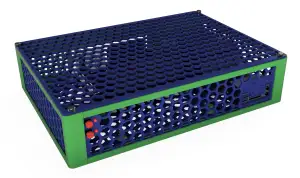

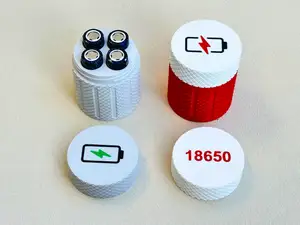
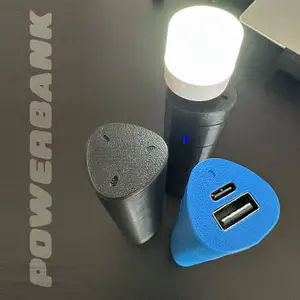

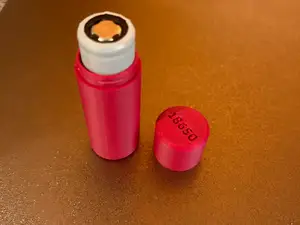
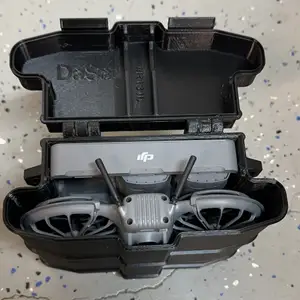

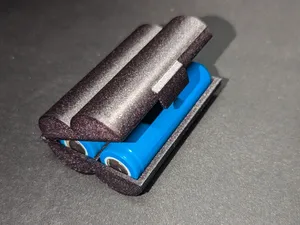
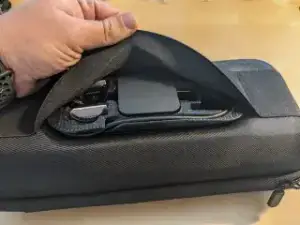

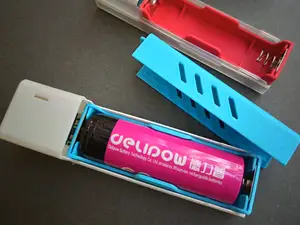
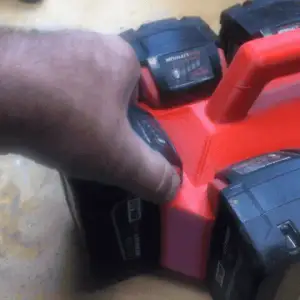


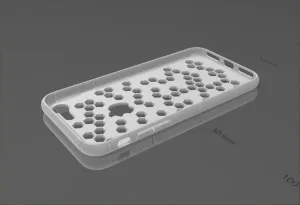

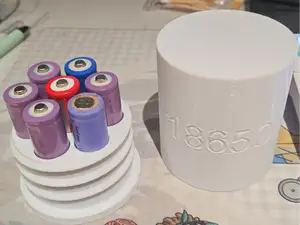
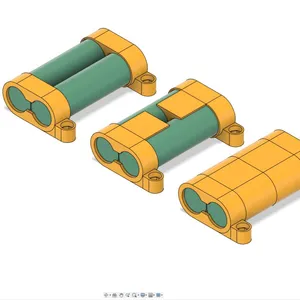

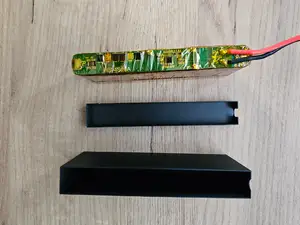
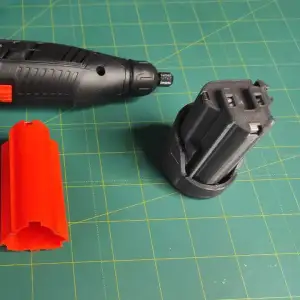



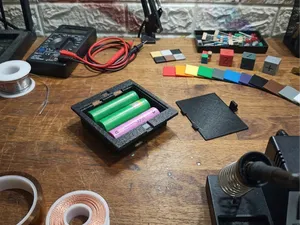
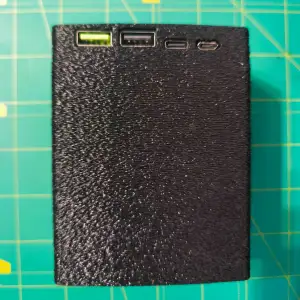
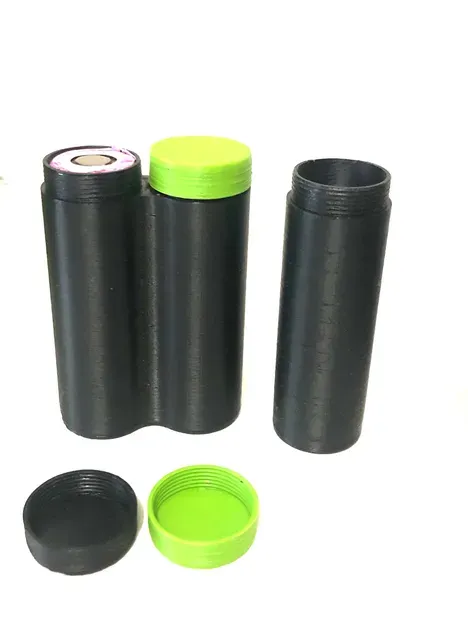
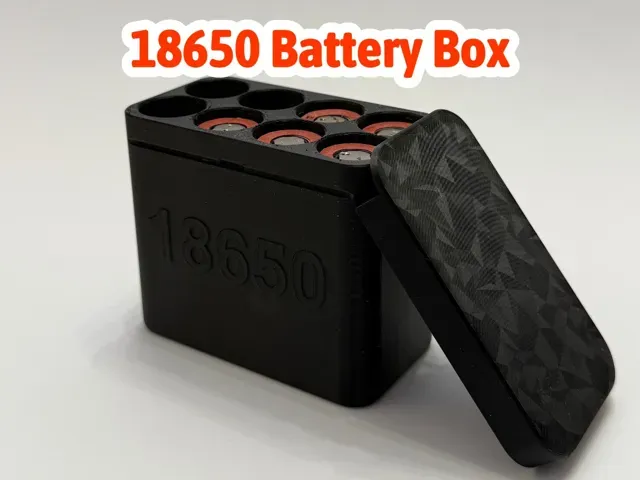
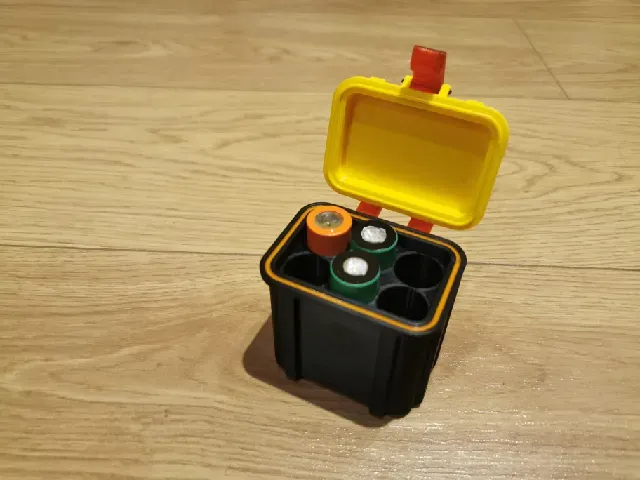
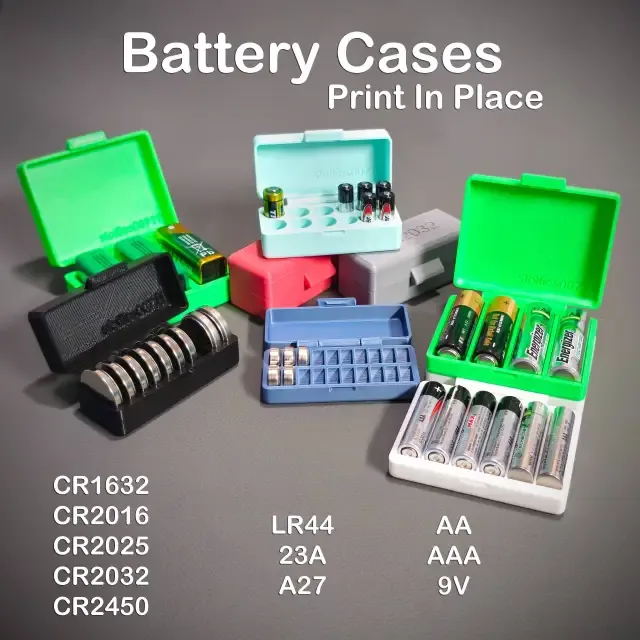
The models split roughly into open holders and closed containers. Open holders keep cells visible and let you pull them out by hand, while lidded boxes protect the terminals and keep dust out. Some designs are printed as one piece with a living hinge or a snap closure, and others are separate bodies with a lid that you fit afterwards. Spring-based holders add a flexible arm that presses the cell into place instead of relying on a tight fit.
When you open a model page, look at the cell count and the internal dimensions first, because the nominal size of a cylindrical cell does not include the wrapper or the protection board on some variants. Check how many separate parts the author lists, whether the lid needs extra hardware, and whether the geometry requires supports. Read the material and settings the author mentions, and look at photos of real prints to judge wall thickness, tolerances and how the closure actually behaves.
If the results feel narrow, try related wording: cell holder, battery tray, storage box, caddy, dispenser, or the diameter and length of the cell instead of the model number. Searching for the device the pack goes into, such as a handheld radio or a power tool housing, often surfaces enclosures that also fit loose cells. Combining a holder term with a mounting term, like rail, panel or wall bracket, brings up versions meant to be fixed in place.
A few points are worth deciding before you print. A snug friction fit holds a cell without extra parts but can be hard to remove, while a loose fit needs a lid or a strap. Thin walls save material but flex, and thick walls hold shape at the cost of print time. If the case is meant to travel, check how the lid is retained and whether the cells can shift sideways.


Le catalogue complet des thèmes, de la maison à la CNC, avec une recherche sur tous les sites connectés.